A truck-sized NASA space telescope is about to crash to Earth
NASA’s Swift Observatory is now about to fall back to Earth on Wednesday after attempts to push it back into a higher orbit failed.
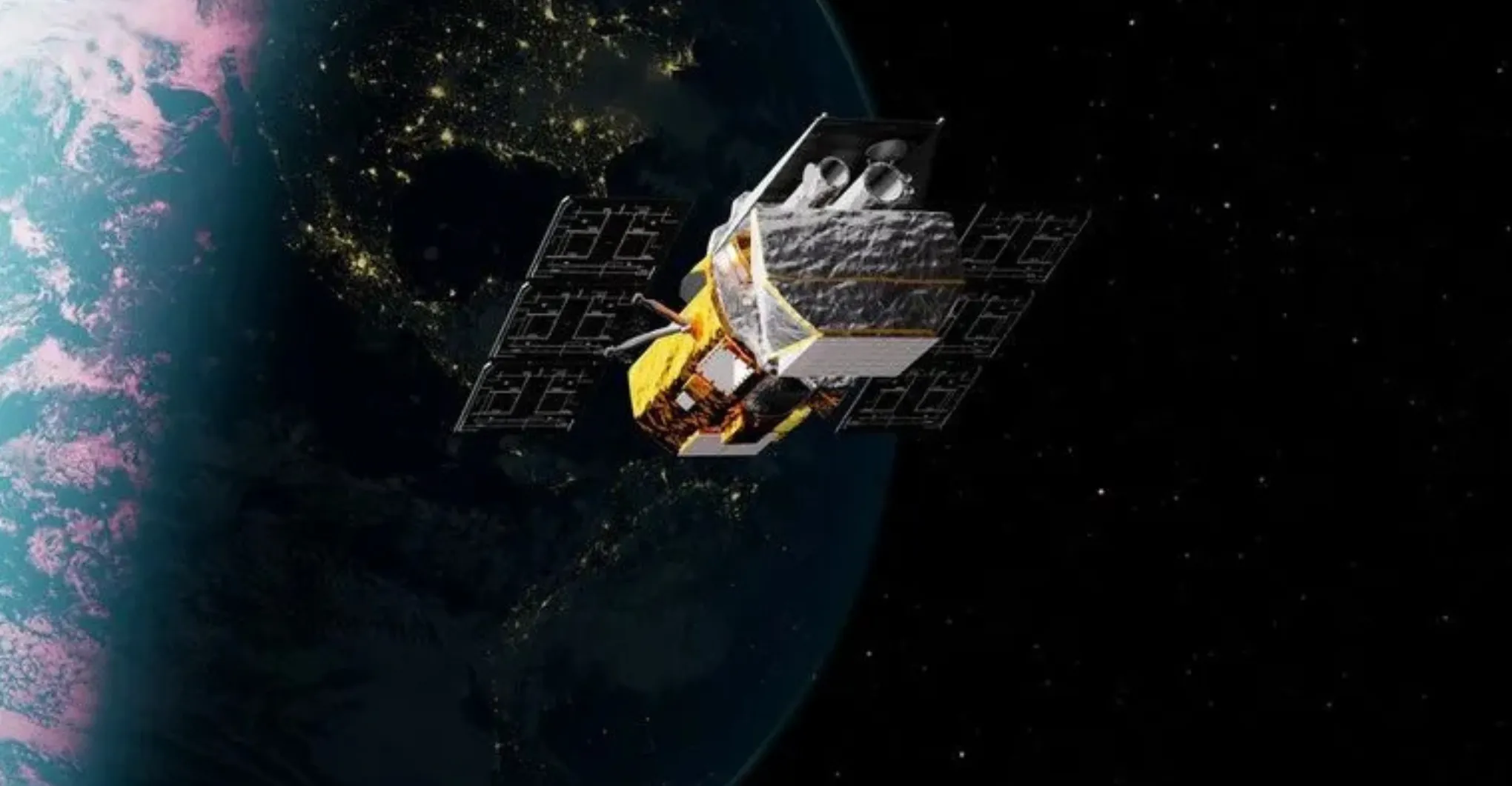
Almost 22 years after it was launched, NASA’s Swift Observatory is now about to fall back to Earth on Wednesday after attempts to push it back into a higher orbit failed. NASA announced that the aging space telescope is anticipated to re-enter Earth’s atmosphere at approximately 3:30AM ET (give or take 11 hours), and that it expects most of the spacecraft to burn up, but some components will likely survive re-entry. The observatory weighs around 3,200 pounds and measures in at 5.6 meters (18.4 feet) high and 5.4 meters (17.7 feet) wide, though much of the latter includes its deployable solar arrays. The risk of surviving components causing any harm is low, according to NASA: > “Re-entry locations of any surviving components can vary from hemisphere to hemisphere and depend on when it re-enters. Due to Swift’s low inclination, re-entry locations of surviving fragments are limited between 20.6 degrees south latitude and 20.6 degrees north latitude. The risk of harm coming to anyone on Earth is unlikely — approximately 1 in 2,100. NASA and Space Force will continue to monitor the re-entry and update predictions.” The agency gave up on trying to save the falling telescope earlier this year, after the Link spacecraft that was attempting the rescue experienced technical issues with attitude control. Still, Swift far outlived its original two-year prime mission to study the origin of gamma-ray bursts, and went on to serve as a general-purpose multi-wavelength observatory until solar storms pushed it into a lower orbit. You can follow Swift’s descent by monitoring NASA’s blog for continued updates.
Gathered from external sources. Rights to this text belong to whoever originally published it.