After 40 years of wheat farming, a 330-acre stretch of land in England was turned into a wildlife haven; just two years later, surveys recorded 5,290 butterflies, including rare species never previously seen in the fields
A former wheat-growing farm in West Sussex, England, has recorded a remarkable increase in butterfly numbers just two years after a large-scale habitat
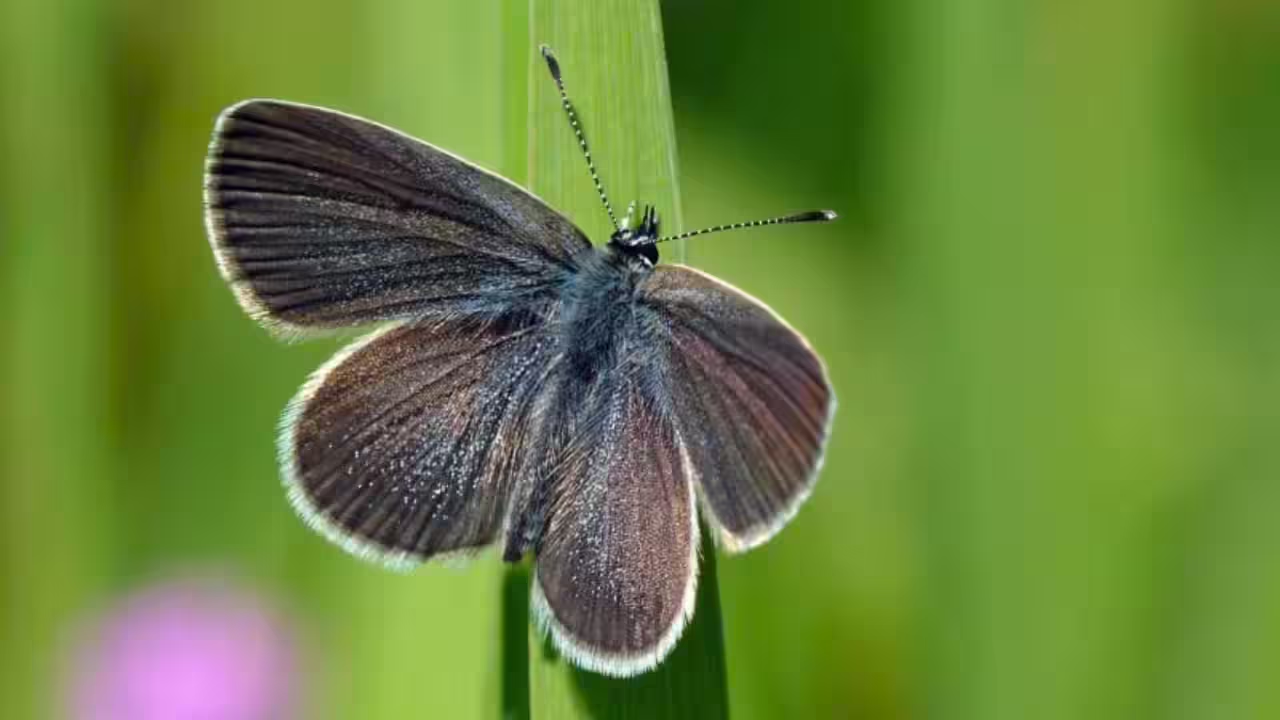
A former wheat-growing farm in West Sussex, England, has recorded a remarkable increase in butterfly numbers just two years after a large-scale habitat restoration project began, with 5,290 butterflies belonging to 28 species documented during surveys in 2026. The findings, reported by The Guardian and detailed by Halnaker Hill Farm, include the first recorded sightings at the site of two nationally important butterfly species, offering an encouraging sign of how quickly wildlife can return when farmland is managed for nature. The transformation has taken place at Halnaker Hill Farm, near Chichester, where approximately 330 acres (133 hectares) of land previously used for intensive wheat cultivation are being converted into a landscape designed to support a wider variety of plants, insects, birds and other wildlife. The farm grew wheat for four decades before its final harvest in 2024. Since then, restoration work has focused on creating a network of interconnected habitats rather than leaving the land as conventional arable fields.Rare butterflies make an unexpected appearanceAmong the most significant discoveries were 85 small blue butterflies and seven dingy skippers, neither of which had previously been recorded at the site. The small blue is the UK’s smallest resident butterfly, measuring only slightly larger than an adult fingernail. Both species are recognised as being of principal importance for biodiversity under the Natural Environment and Rural Communities Act 2006.Their arrival is particularly encouraging because butterflies can help ecologists assess changes in habitat quality and the wider health of an ecosystem. The surveys also counted 547 small heath butterflies, another species of conservation importance, as well as eight sulphur pearl moths. The latter is a locally distributed species generally associated with coastal areas of southern Britain. The overall count of 5,290 butterflies was compiled through three principal surveys conducted in May, June and July, alongside 127 additional counts during 2026.Conservationist and butterfly expert Neil Hulme, who carried out the surveys and has advised the restoration project, was struck by the abundance of insects across the former farmland. The findings suggest that the emerging habitats are already providing suitable conditions for a diverse range of species, although continued monitoring will be important to establish whether those gains can be sustained.How the former wheatfields are being restoredThe project has involved several changes to the landscape, including sowing specialist wildflower seed mixes, planting around seven kilometres of hedgerows, establishing seven hectares of new woodland and digging three ponds. A further 54 hectares have been seeded with herbal leys, a mixture of grasses and herbs that can support soil health, grazing and wildlife. Existing chalk grassland is also being managed through carefully controlled livestock grazing to improve its ecological value. Together, these measures are intended to create a varied landscape offering food, shelter and breeding grounds for different species.The small blue butterfly’s appearance is particularly significant because its caterpillars feed on kidney vetch, a flowering plant associated with suitable chalk grassland habitats. Introducing the right plants can help attract specialist butterflies, although their arrival and successful establishment also depend on other environmental conditions. The restoration has already attracted attention beyond the butterfly surveys. Observations at the site have included skylarks, corn buntings, hobbies and dragonflies, suggesting that the changing landscape is benefiting wildlife beyond a single group of insects.Can commercial conservation help nature recover?Halnaker Hill Farm is part of a commercial nature restoration project operated by Halnaker Hill Natural Capital. It generates revenue through biodiversity net gain (BNG) units, which developers can purchase to meet their legal obligations to improve biodiversity when building projects affect natural habitats.Under England’s biodiversity net gain framework, most developments covered by the rules must deliver at least a 10% increase in biodiversity value. Developers can achieve this through improvements on their own sites or, where appropriate, by purchasing registered off-site biodiversity units.The South Downs National Park Authority has been working with the farm as part of its wider ReNature programme, which aims to address biodiversity loss and help landscapes adapt to climate change. The regional initiative encompasses more than 7,700 hectares of land being managed or restored for nature.The farm’s project is expected to deliver more than 850 biodiversity net gain units, according to the South Downs National Park Authority. The commercial model has also raised a broader question about whether private investment can support meaningful conservation alongside development. The butterfly findings provide measurable evidence of ecological change at the site, although a single season’s survey cannot establish the long-term success of the project on its own. Continued monitoring will help determine whether the returning species maintain viable populations as the habitats mature.What comes next for the restored landscape?Plans for the site extend beyond the species already recorded. Hulme is considering the reintroduction of the Duke of Burgundy butterfly, a scarce British species associated with particular woodland-edge and grassland habitats. Wild pansies are also being introduced in an effort to encourage the Queen of Spain fritillary, a migratory butterfly increasingly seen in southern Britain.The next stage will depend on how successfully the developing habitats support these species and whether the restored areas can remain connected to suitable wildlife corridors. For a landscape cultivated for wheat over 40 years, the early results at Halnaker Hill Farm suggest that changes in land management can make a measurable difference within a relatively short period. The challenge now is to ensure that the initial surge in wildlife develops into a lasting recovery.
Topics in this story
Gathered from external sources. Rights to this text belong to whoever originally published it.