The variable aperture isn’t the cool part of the iPhone 18 Pro’s camera
Apple announced the iPhone 18 Pro and and Pro Max alongside its new iPhone Duo foldable phone. The new camera feature of the Pro phones is a variable aperture. But will it make a big difference?
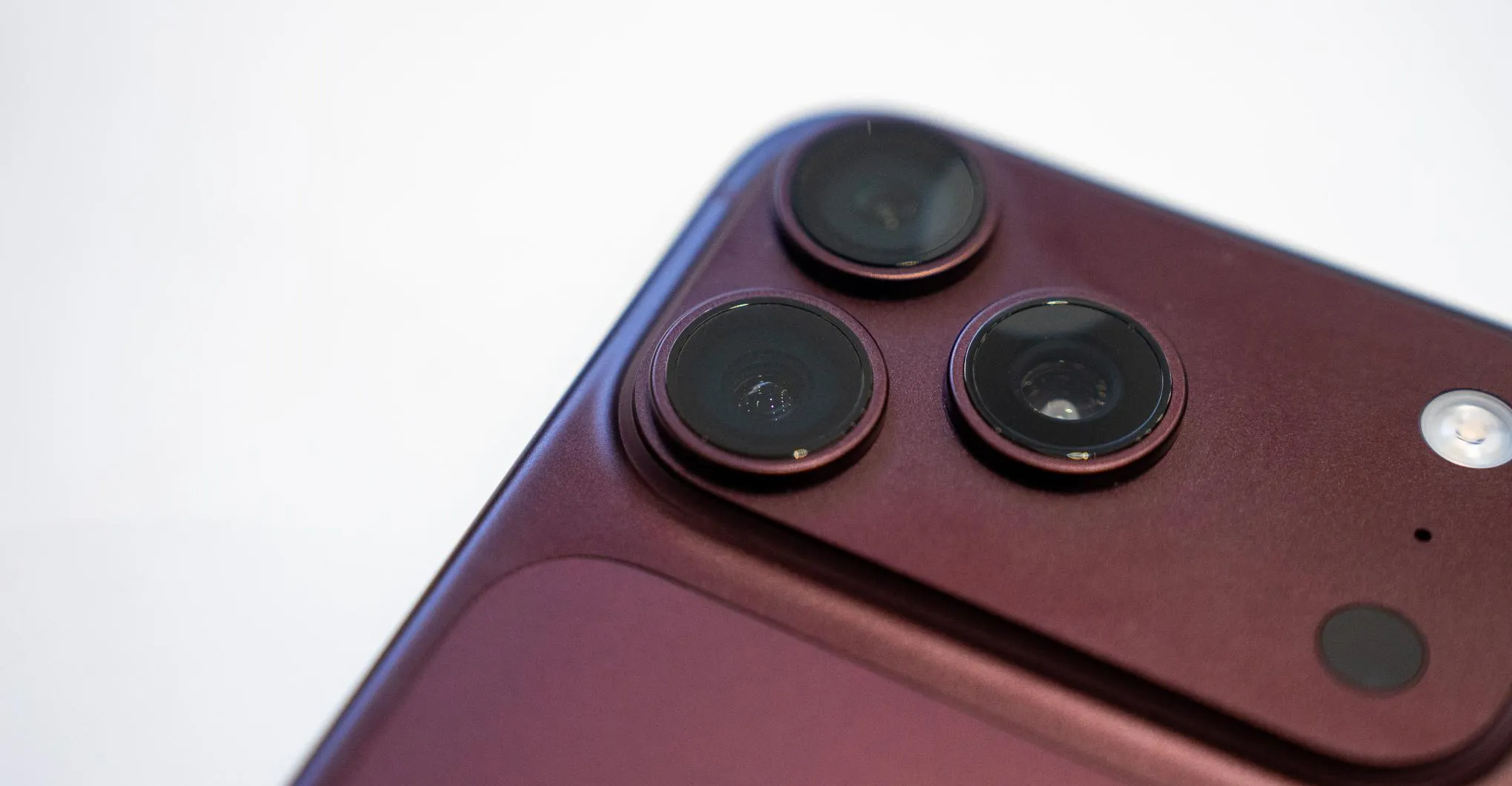
Apple always makes a big show of the latest cameras in its phones, and the major talking point of the iPhone 18 Pro is about the new variable aperture. Both the iPhone 18 Pro and Pro Max have an adjustable mechanical iris in their main camera modules to let more or less light into the sensor, allowing users to shoot at f/1.48, f/1.8, f/2.8, and f/4. You can, of course, let the camera select your aperture automatically, but the manual aperture control comes along with other new pro controls allowing you to dial in shutter speeds, manual white balance, and even manual focusing. As a whole, this is a wealth of new controls for an iPhone camera. You’d normally have to install a third-party camera app like Halide to do some of this, and now it’s all just baked into the 18 Pro’s native camera app. (It’s almost as if Apple poached a key person directly from Halide.) But I’d temper any expectations over the variable aperture being the standout feature. It’s going to be mid, at best. [Image: [Image: [Image: Why? Because smartphone sensors are still pretty dang tiny, and most subjects are in reasonable focus until you get really close. And stopping down to f/4 is unlikely to blow you away with much sharper results like it does in full-size cameras or any special qualities aside from some sunstar effects in very particular lighting scenarios. In fact, due to lens diffraction, your photos might be less sharp at f/4 than f/1.8 or f/2.8. What you’re most likely to benefit from by stopping down the lens is more depth of field with close-up subjects, getting more people in focus during big group shots with plenty of light (where people aren’t all lined up together), and more flexibility in shooting video in overly bright situations (like direct sunlight). That might prove useful for those particular situations, but they’re likely to be few and far between. And smartphone sensors are small enough to already have plenty in focus at midrange and further distances, even when shot wide open. It’s probably why other brands like Samsung and Xiaomi have experimented with variable apertures but quietly ditched them. I think the real star feature of the iPhone 18 Pro’s camera is its f/1.48 maximum aperture. Fuck stopping down, man. People love bokeh. [Image: [Image: Last year’s Pro iPhone cameras had an f/1.7 aperture, and now being at f/1.48, the 18 Pro camera should work better in low-light as well as have a slightly shallower depth of field. Will f/1.48 be a huge difference in bokeh from f/1.7? Probably not. It’s likely to have depth of field that’s just a smidge shallower — but that’s the look that people often like. I speak from experience here, as I usually shoot on full-frame cameras and one of my go-to lenses is a 50mm with an f/1.2 maximum aperture. A lens that fast, with depth of field that shallow gives a unique look that’s easy to overuse, but it almost never fails that people swoon when I take their portrait using that lens — with that blurry, “dreamy” blur isolating them from the background. The f/1.48 of the iPhone 18 Pro is obviously not going to compare to an f/1.2 on full-frame, but f/1.2 and similarly wide apertures on big sensors is the look that people often want to emulate. It’s the whole reason Portrait Modes on smartphones came into being in the first place. The iPhone 18 Pro is likely to have a very good camera just like most top-flight smartphones have very good cameras. The added controls are exciting and fun, even if I don’t always want to be bothered with manual controls when taking quick snapshots. It’ll be nice to have them right at your fingertips without having to install a more specialized app. Just don’t be surprised if you start ignoring that aperture setting after some initial tinkering in the new phone honeymoon phase. But even long after that, f/1.48 will be the gift that should keep on giving.
Gathered from external sources. Rights to this text belong to whoever originally published it.