Oura sues rival Ultrahuman again, threatening its U.S. smart ring comeback | TechCrunch
Oura alleges in its newest lawsuit that Ultrahuman's Ring Pro infringes two of its patents.
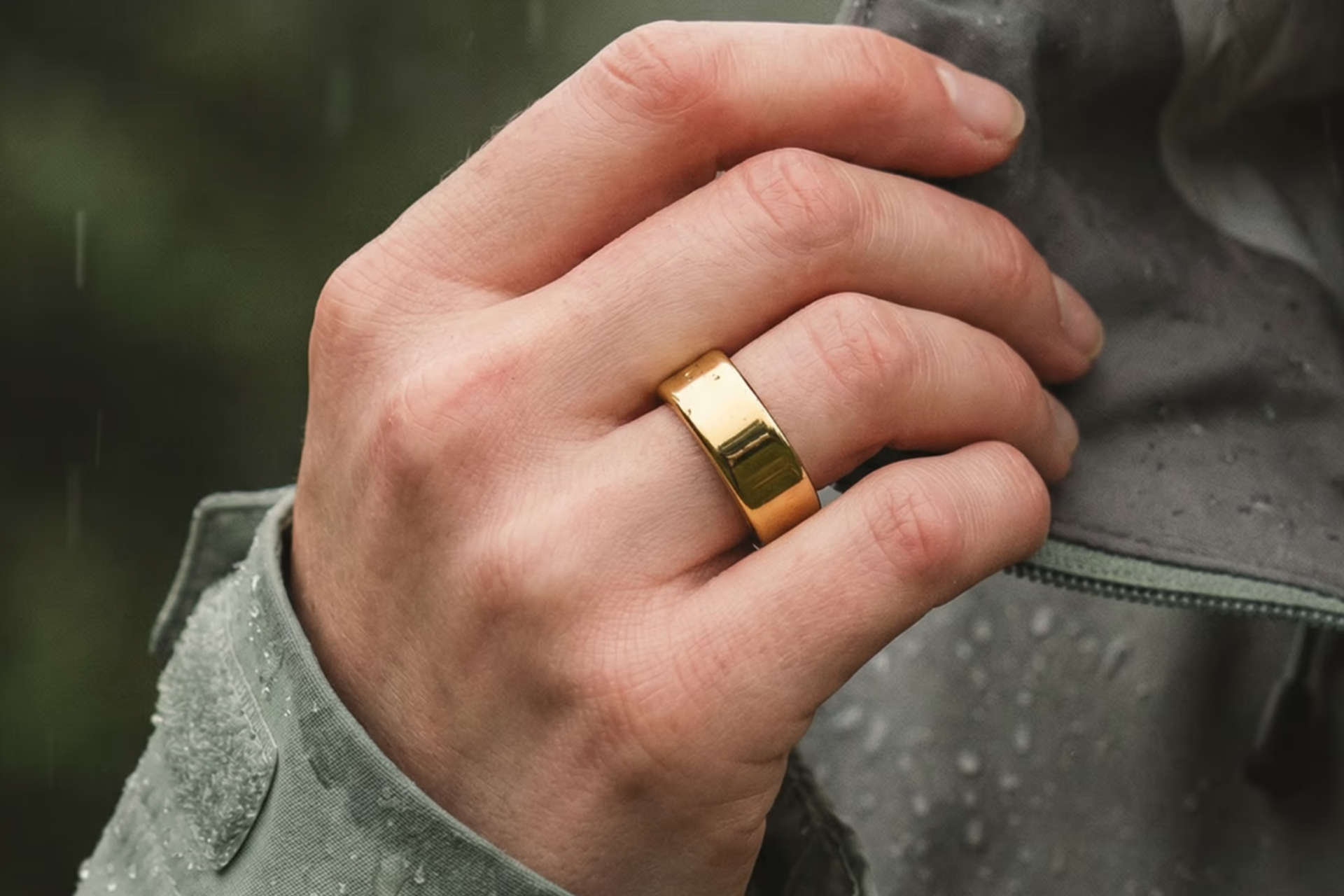
Smart ring maker Oura has sued Indian rival Ultrahuman again, seeking to block U.S. sales of its Ring Pro (pictured above) just months after the redesign helped the Bengaluru-based startup return to the American market following an import ban. The case is the latest in a string of patent disputes Oura has brought against competing smart-ring makers, including Samsung and RingConn.
In a complaint filed Thursday in a federal court in Texas, Oura alleged that Ultrahuman’s Ring Pro infringes two of its patents covering the ring’s design and internal components, including its battery and sensors. Oura is seeking monetary damages and a permanent injunction that would stop Ultrahuman from selling the ring.
Ultrahuman’s redesigned Ring Pro, launched in February, received a favorable ruling from U.S. Customs and Border Protection in March, paving the way for the startup’s return to the U.S. market . The decision followed an import ban on Ultrahuman’s earlier Ring Air, which took effect after Oura secured a patent infringement ruling from the International Trade Commission in August last year.
“Ultrahuman has a history of copying Oura’s innovations, as demonstrated by the 2025 ITC ruling against the company,” an Oura spokesperson said in a statement to TechCrunch. “Ultrahuman introduced a redesigned ring but failed to address continued infringement of Oura’s patents, seeking instead to capitalize on our innovation and the market leadership we have built.”
Oura argues that the Customs ruling covered only the patent involved in the earlier dispute, not the two patents cited in its latest lawsuit: D804,471 and 12,769,363. “To protect its patent rights, Oura is now forced to file this complaint of patent infringement,” the company said in its filing.
One of those patents, 12,769,363, is also very new. It was issued to Oura on October 20, just two days before it filed the lawsuit. It covers a smart-ring design incorporating internal components such as a curved battery, circuit board, magnets, and sensors.
Oura has also named Texas-based electronics manufacturer SVTronics as a defendant in the lawsuit. The complaint says SVTronics manufactures the Ring Pro at a facility in Plano, Texas, allegedly under Ultrahuman’s direction and control. It also alleges that both companies infringe Oura’s patents through the manufacture, importation, and sale of the device in the U.S.
Ultrahuman co-founder and CEO Mohit Kumar told TechCrunch the startup was confident in the Ring Pro and would fight the new allegations.
“Oura has now chosen to assert different patents, including one that issued just two days before this lawsuit was filed,” Kumar said. “We will address these claims through the appropriate legal process and will defend our position vigorously. There is no court order affecting Ring Pro, and it remains available to customers in the U.S.”
Oura and Ultrahuman have been fighting over patents since 2023, when Oura sued the Indian startup over its Ring Air, which had helped Ultrahuman make a name for itself in the U.S. Oura brought a separate case before the U.S. International Trade Commission in 2024 that helped it secure a ruling last year, leading to the import ban on the Ring Air.
Ultrahuman is not the only rival facing legal pressure from Oura. The company has also pursued patent infringement claims against smart-ring makers including Samsung , RingConn , Circular , and Zepp Health . Some of those disputes have ended in licensing agreements, with RingConn and Circular agreeing to pay royalties to Oura to continue selling their products .
The dispute emerges as the smart-ring market continues to grow. Research firm IDC expects global shipments to rise 12.8% this year to 4.9 million units and reach about 6.3 million by 2030. While Oura remains a leading player in the category, Ultrahuman is among the growing competitors.
The lawsuit also comes just weeks after Oura shelved its $2.2 billion IPO , citing “uncertainty” in the market. The company has continued to add features to its smart rings, introducing new fitness metrics earlier this week that help users track how workouts affect their cardiovascular health.
In September, Ultrahuman raised $70 million from investors including Qualcomm Ventures and Labcorp, valuing the startup at about $365 million. The startup is also working with Qualcomm on a new smart ring that could run more software directly on the device, as it looks to expand beyond health and fitness tracking into areas such as AI interactions and gaming.
The article has been updated to include comments from Ultrahuman co-founder and CEO Mohit Kumar.
Topics in this story
Gathered from external sources. Rights to this text belong to whoever originally published it.