How often should you actually upgrade your iPhone?
Should you upgrade your iPhone this year? Here's what you need to know.
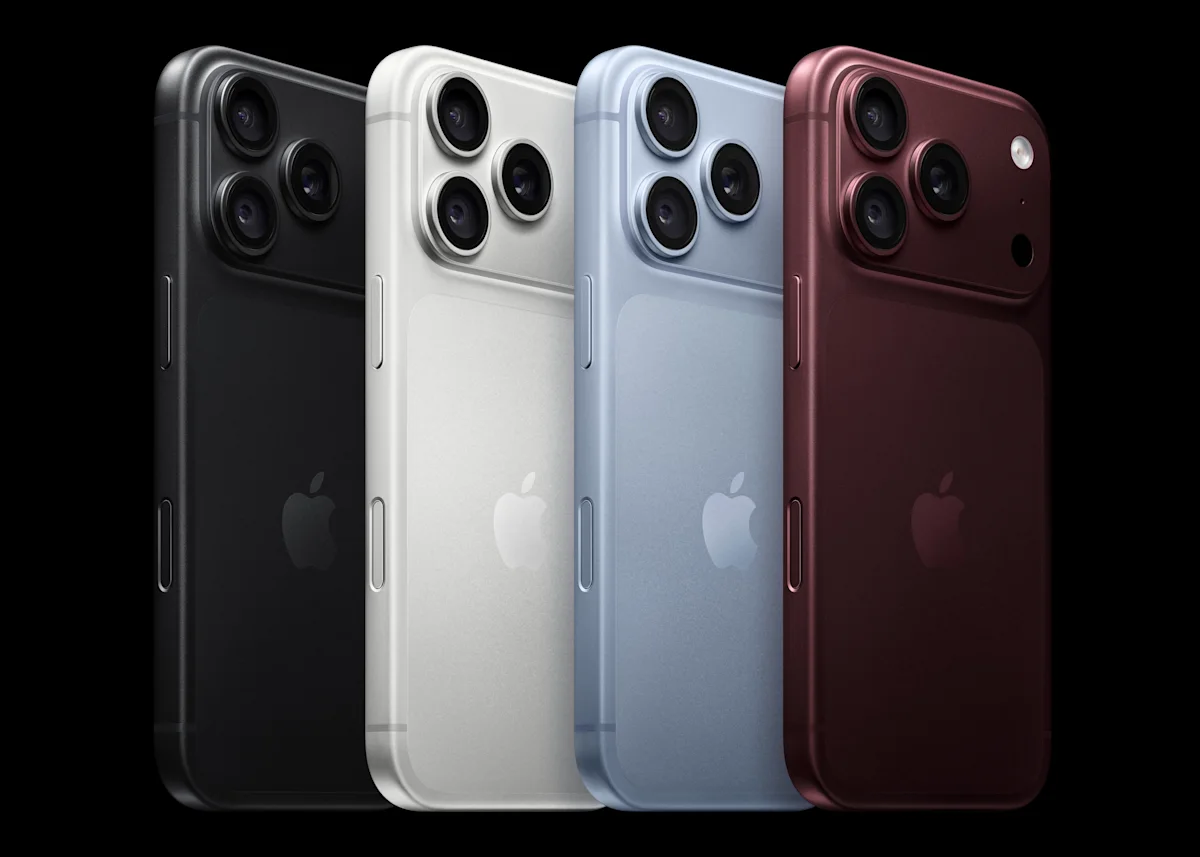
Apple's new iPhone 18 Pro and Pro Max are now on store shelves, which means many people are wrestling with the question that comes around every year: Should you upgrade? Some people upgrade every year like clockwork, but they're absolutely in the minority. It turns out most of us — about 55% — only replace our phones every two to three years.
But with the costs going up on, well, everything these days , you might consider going another year with your current phone. And that's before you factor in Apple's $100 price increase on iPhone models, both old and new (thanks, RAMageddon ).
If you're conflicted on whether you should upgrade to the new iPhone 18 Pro or 18 Pro Max this year, here's what you might want to consider before pulling the trigger.
When do you need to upgrade your iPhone?
One thing Apple does exceptionally well is support old iPhones for a long time. In fact, iOS 27 , the latest version of the iPhone operating system, is supported on phones all the way back to 2019's iPhone 11 . A big part of the development for iOS 27 focused on speed and reliability improvements that should breathe new life into aging iPhones.
"As long as your phone can receive security updates, you are usually safe from a security perspective," Amrita Bhasin , the cofounder and CEO of Sotira , a reverse logistics company, told Yahoo Tech. "Unless your phone is pre-iPhone 11, you are generally safe to keep receiving iOS security updates for now."
However, there comes a time in every iPhone's life when it no longer receives updates, leaving you exposed to security vulnerabilities that are patched on newer devices. That's a major concern, and you should absolutely upgrade your iPhone to a newer model if your current one is left behind. After all, one of the best things you can do to stay safe online is download security and software updates as soon as possible. When your personal information and documents are at stake, it doesn't make sense to keep using an old device.
"Battery health is the primary driver in considering whether to upgrade a phone," Bhasin told Yahoo Tech. "If you feel like your phone needs to be charged multiple times per day and doesn't last a full day out, this may be a justifiable reason because battery effectiveness declines over time and use."
Fortunately, if you go to the "Battery" section of your iPhone's settings, you can see a report on its health and current maximum capacity. For example, my iPhone 16 Pro Max currently shows it's operating normally, with a total capacity of 91%. That's pretty good for a two-year-old device, but yours may be much more degraded if you're using something more than a few years old.
If you're struggling to make it through a whole day on a single charge, it might be time to consider an upgrade. That doesn't mean you have to choose the iPhone 18 Pro; an iPhone 16, 17 or Air can save you some money and perform just as well. If you're happy with your current phone, you could also try a battery replacement . After all, as Bhasin told us, "replacing batteries is cheaper than buying a whole new phone."
While iOS 27 definitely feels snappier than iOS 26, it might not provide enough of a lift for older phones like the iPhone 11 and 12. The A20 Pro chip in the iPhone 18 Pro and Pro Max, and the A19 chips from last year's models, both offer significant performance and efficiency improvements over those in older iPhones. This metric can be subjective, but an upgrade may be worth it if you frequently find yourself frustrated by how long your phone takes to complete simple tasks.
Should you upgrade if you have an iPhone 16 Pro or iPhone 17 Pro?
Unless you're particularly excited about new camera features or slight design tweaks, the upgrade from an iPhone 16 Pro or iPhone 17 Pro likely isn't worth it. Here's a brief look at what the iPhone 18 Pro and 18 Pro Max improve over the two most recent models.
iPhone 18 Pro and Pro Max vs. iPhone 16 Pro and Pro Max
Three 48MP rear cameras with variable aperture on one.
A smaller Dynamic Island on the front display
Improved vapor chamber cooling for better sustained performance.
iPhone 18 Pro and Pro Max vs. iPhone 17 Pro and Pro Max
If you have an iPhone 16 Pro or Pro Max, you'll feel the upgrade a little more, thanks to the improved cooling and more RAM. However, the upgrade from the iPhone 17 Pro or Pro Max is unlikely to feel much different, especially with both phones featuring largely the same design (down to the same dimensions). If you're happy with your current phone, it might be worth waiting until the 2027 iPhone, especially with rumors of a major redesign for the device's 20th anniversary.
If your iPhone is no longer receiving security updates, then you should definitely upgrade to one that does. While that may be the iPhone 18 Pro or Pro Max, it doesn't have to be. Finding a well-maintained, used iPhone 15 or 16 could be the right choice. Or, you can go directly to Apple and get something a little newer.
If your battery is your main concern, an upgrade could be your ticket to living without worrying about where you'll get your next charge. However, you can just as easily pay Apple for a battery replacement and save quite a bit of money. Currently, replacements cost $100 for an iPhone 15 Pro Max and are even cheaper for older models.
Bhasim told us she encourages everyone to use their phones as long as possible, or at least until battery life and performance affect day-to-day use. "Electronics waste is a significant climate problem and a lot of excess or used electronics unfortunately end up in the landfill," she told us. "Resist pressure to upgrade simply because there is a new option and only upgrade when your existing devices do not have the same utility day to day."
Topics in this story
Gathered from external sources. Rights to this text belong to whoever originally published it.