Delnaaz Irani: Rejection isn’t a statement on your worth as an actor; adaptability is key to longevity
At a time when many seasoned actors struggle to find work, Delnaaz Irani has continued to remain active across mediums, from theatre, films and television
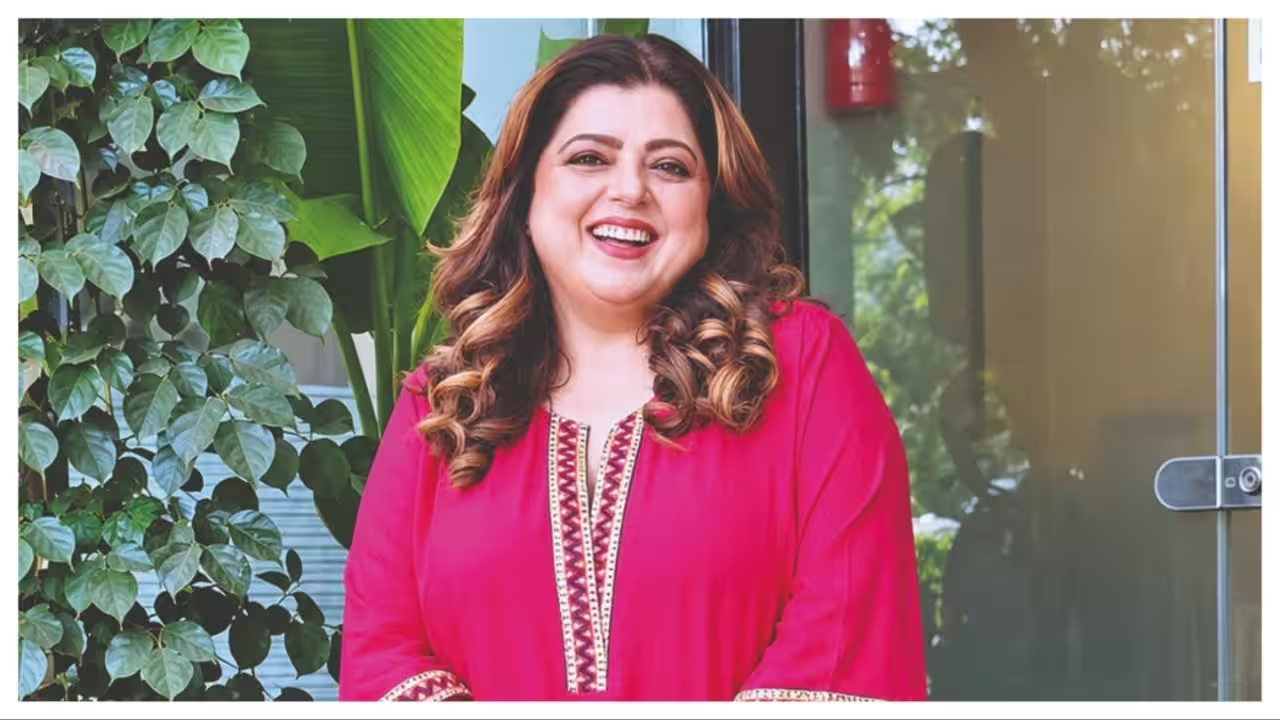
At a time when many seasoned actors struggle to find work, Delnaaz Irani has continued to remain active across mediums, from theatre, films and television to now OTT. Along the way, she has also moved beyond the comic roles that once defined her screen image, taking on characters that showcase a different side of her as an actor.Having spent nearly three decades in the industry, Delnaaz attributes her longevity to her willingness to work across mediums and her professionalism. She says, “I never looked at a medium as ‘too small’. My advice to actors who are struggling today is simple: don’t sit at home waiting for that one ‘perfect’ role. If you aren’t getting a massive project, do theatre, short films or create your own space on digital platforms. Most importantly, don’t take rejection personally. A rejection isn’t a statement on your worth as an actor; it’s just a casting mismatch. Keep reinventing your skills, stay visible and treat everyone on set with respect because longevity is built on reputation.”Delnaaz has also been careful about the kinds of roles she accepts as she grows older, particularly when it comes to being cast as a mother or grandmother. For her, age should not determine the scope of a character. She says, “It is definitely a conscious effort, and I won’t deny that it takes a lot of courage to say no. In our industry, the moment you cross a certain age or phase, writers immediately want to push you into the background as a generic parental figure or a grandmother. Whenever a role feels like it is designed merely to age me on screen without adding any depth to the story, I politely step away. It is about setting boundaries. If you accept a poorly sketched older stereotype just for the sake of working, the industry stamps that label on you. I’d rather wait for a role that celebrates my spirit than one that merely counts my years.”Moving beyond comedy was another challenge. After being identified with bubbly characters such as Sweetu in Kal Ho Naa Ho and Kavita in Yes Boss, she had to convince filmmakers that she could take on more varied roles. She says, “It was an incredibly challenging journey because when you do comedy well, the industry assumes that is the only thing you can do. For years, every script that came my way felt like a variation of Sweetu from Kal Ho Naa Ho or Kavita from Yess Boss. While I am endlessly grateful for the love those roles brought me, I eventually started feeling restricted as an artiste. Breaking out required a significant shift. I had to start turning down steady paychecks. Turning down roles that followed the same template was terrifying because you worry people will think you are being difficult or arrogant. But I had to take that risk to convince filmmakers to see me differently. It took time, long conversations with casting directors and a lot of patience. I had to tell them, ‘Give me an audition for a serious character and let me show you what else I can do.’ The journey taught me that you cannot blame the industry for typecasting you if you keep accepting the same kinds of roles.”Adaptability has also helped Delnaaz navigate an industry where audience preferences and platforms continue to evolve. From television to reality shows and now streaming projects, she has made a conscious effort to keep pace with changing formats. “I think staying relevant comes down to a balance of 80 per cent adaptability and 20 per cent gratitude for good timing. I have never allowed myself to become a relic of the past. You cannot be rigid in this business. If you hold on to ‘how things used to be in the 90s’, the industry and the audience will leave you behind.”‘OTT satisfies the artiste in me who craves detail’Her recent OTT outing with Chumbak offered a different working experience from daily television, particularly in terms of preparation and the time available to develop a character. She says, “The biggest difference between television and a streaming project is the luxury of time and having bound scripts. In daily television, you are constantly racing against a telecast deadline, whereas on an OTT set, you know the exact arc of your character from start to finish before the first camera rolls. There is room to breathe, rehearse and perfect the nuances with creators like Aatish Kapadia and JD Majethia. OTT satisfies the artiste in me who craves detail, while television keeps me connected to the grassroots audience that has sustained me for decades.”Get the latest TV News, TV Shows and more. Download the TOI app.
Topics in this story
Gathered from external sources. Rights to this text belong to whoever originally published it.