Zoox can now charge for rides in its steering-wheel-free robotaxis
Zoox has won approval to charge for robotaxi rides in the US. Under an exemption from the NHTSA, Zoox can deploy up to 5,000 vehicles over the next two years.
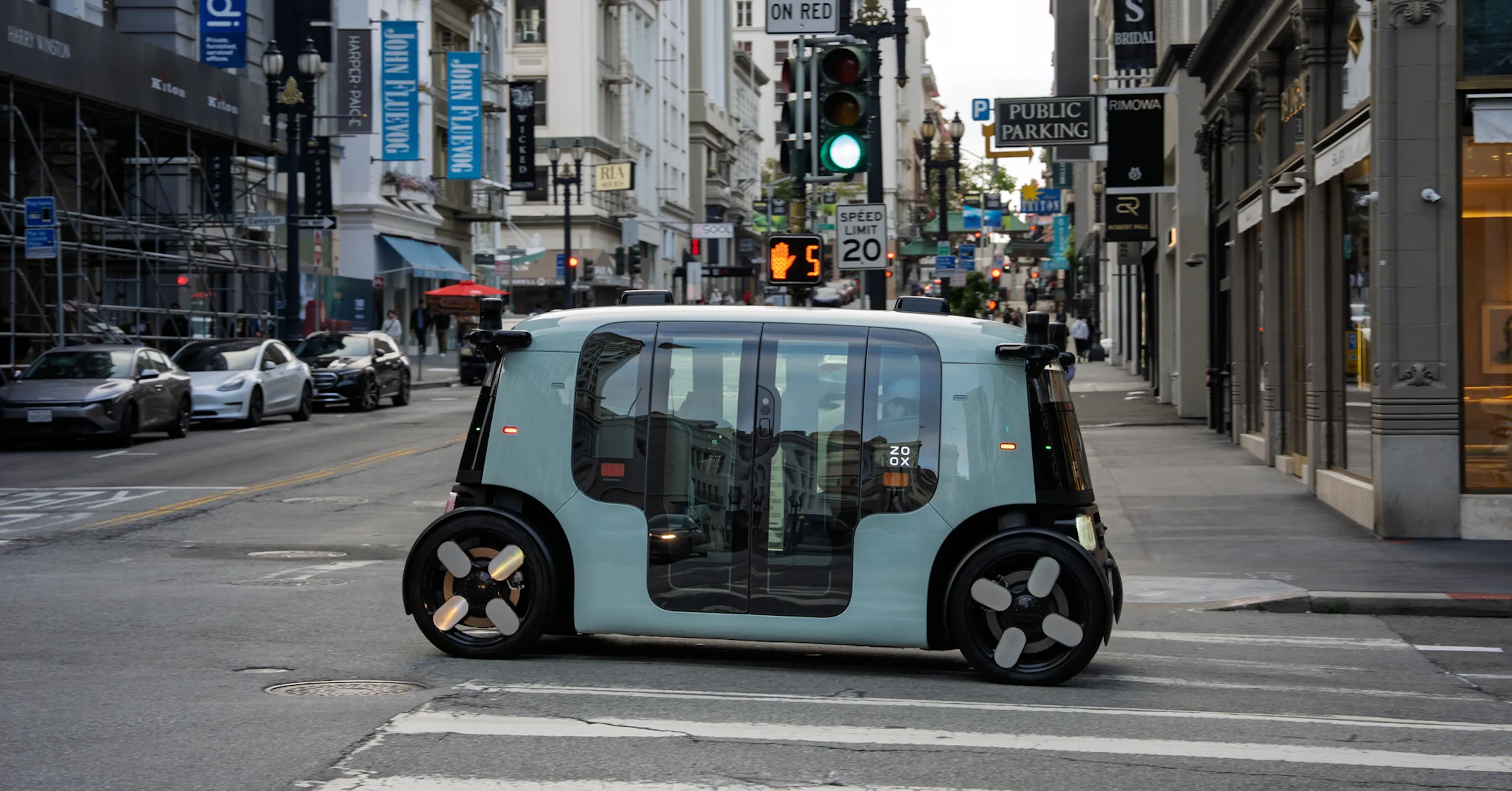
Zoox just got permission to charge for robotaxi rides in its boxy, steering-wheel-less vehicles. On Thursday, the National Highway Traffic Safety Administration announced it has granted the Amazon-owned Zoox a temporary exemption, allowing it to deploy up to 2,500 vehicles annually over the next two years, as reported earlier by Reuters. The NHTSA’s decision exempts Zoox from rules requiring vehicles to have traditional controls, like a steering wheel, pedals, windshield defrosting, and mirrors. Zoox’s vehicles are built with passengers in mind, rather than drivers, featuring an interior with two bench seats and sliding doors. Until now, Zoox had been providing free rides to people in San Francisco and Las Vegas under a “demonstration exemption.” It had been waiting on approval for paid rides from the NHTSA, which has taken steps in recent months to streamline approvals for autonomous vehicles. The move will allow Zoox to compete against Google’s Waymo and Elon Musk’s Tesla robotaxi service, both of which have been expanding their services across the US. Zoox will begin charging fares in Las Vegas next month, according to a press release. The company plans to bring its service to Miami and Austin as well. In its decision, the NHTSA says it determined that Zoox robotaxis “have an equivalent or greater level of motor vehicle safety” compared to vehicles compliant with federal vehicle safety standards. Under the exemption, Zoox will be subject to “an enhanced oversight condition” that “may update and expand” as the company’s self-driving technology evolves. Zoox issued a software recall for its vehicles earlier this month over concerns that they may not detect smoke.
Topics in this story
Gathered from external sources. Rights to this text belong to whoever originally published it.