Circular’s new smart rings add contactless payments and vibrating alerts
Circular’s new Ring 3 Series includes a fully-featured Pro model and a Slim option that sacrifices some health features for a slimmer design.
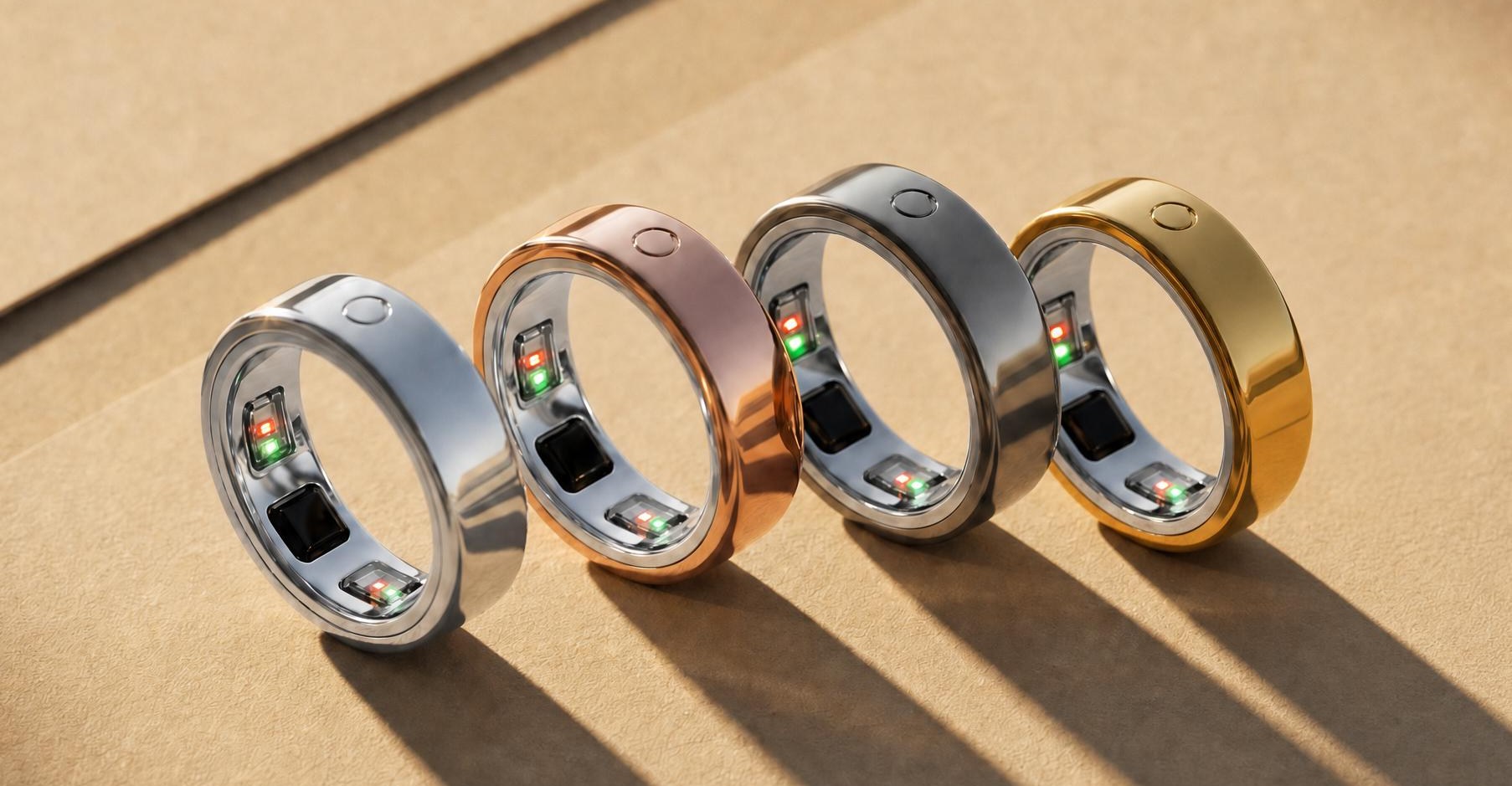
Circular announced its new Ring 3 Series today as a follow-up to the Ring 2 that debuted at CES 2025 with upgraded sensors and FDA-cleared atrial fibrillation detection. The new Ring 3 collection consists of both a Pro model that carries forward those same health-tracking features, and a smaller Slim option that offers more limited stats tracking. But both versions of the new Ring 3 feature vibrating alerts for alarms, medication reminders, and guided breathing exercises, and an integrated NFC chip for making contactless payments without having to reach for your phone or wallet. The Ring 3 Pro has a slimmer design than its predecessor and uses titanium on both the inner and outer structures of the smart ring for improved durability. Finishes still include gold, rose gold, silver, and black. Battery life has been boosted from seven to up to 12 days despite the use of a smaller capacity battery, while a wireless charging case can top it off five to six times before you need to find an outlet. [Image: Both the Circular Ring 3 Slim (middle) and Ring 3 Pro (right) are noticeably smaller and thinner than 2025’s Ring 2 (left). The Ring 3 Slim’s band is even slimmer, thinner, and lighter than the Pro model thanks to a smaller battery good for up to 10 days of use and a nonmetallic “biocompatible epoxy” used on the inside of the ring instead of titanium. It’s a more discreet and potentially more comfortable alternative. And while it still features the Pro model’s photoplethysmography (PPG) sensors for measuring heart rate and blood oxygen (SpO₂) levels, it’s missing the ECG sensor and AFib detection. Other health-tracking features include skin temperature, daily activities, sleep, and heart rate variability (HRV). Pricing hasn’t been announced for either of the new models, but availability is expected in early 2027.
Gathered from external sources. Rights to this text belong to whoever originally published it.