Coinbase CEO Brian Armstrong is moving past the Clarity Act's failure: 'There's another path'
Coinbase Global CEO Brian Armstrong said he's moving past the crypto industry's big bill two days after the Senate failed to advance the landmark legislation...
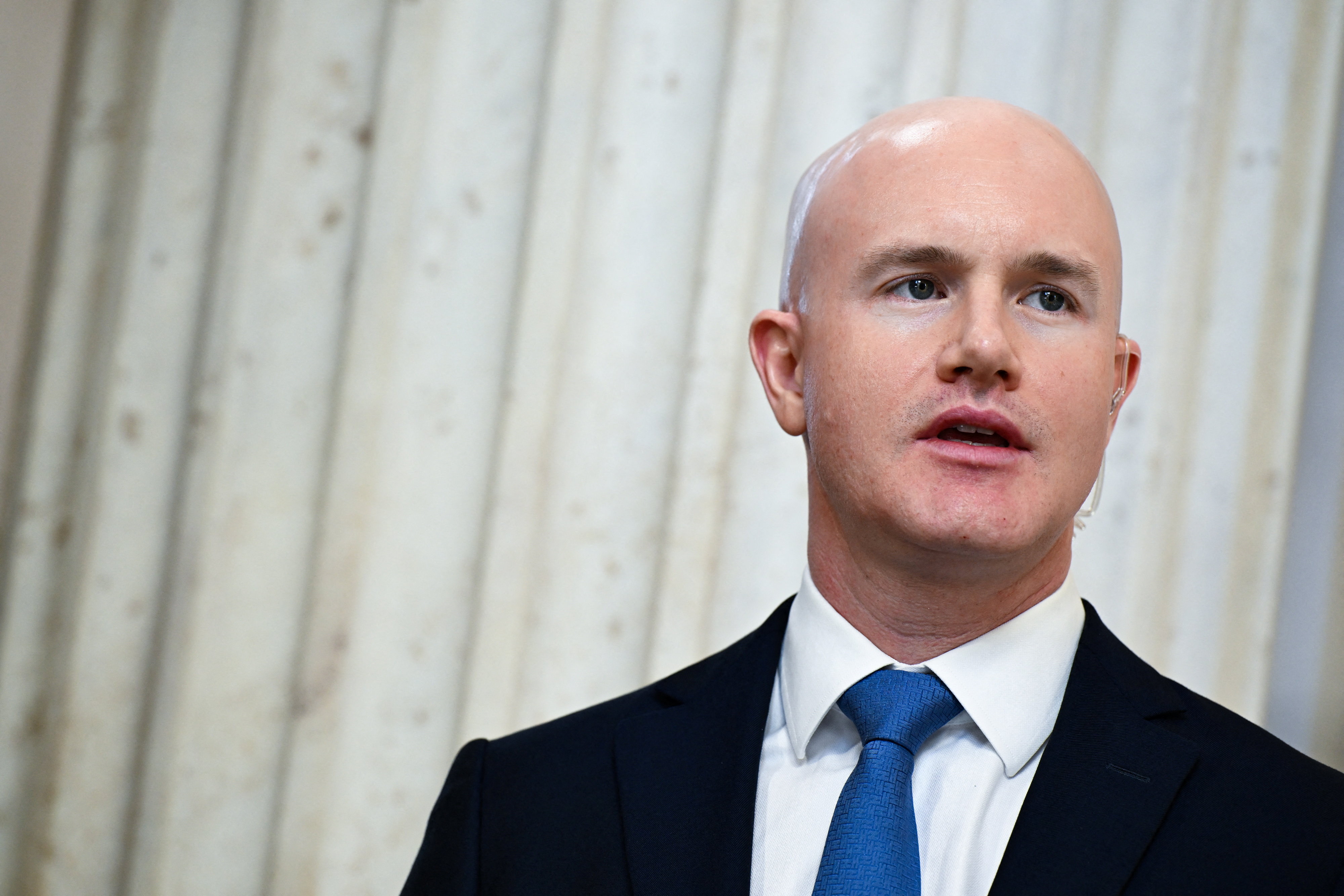
Coinbase Global ( COIN ) CEO Brian Armstrong said he's moving past the crypto industry's big bill two days after the Senate failed to advance the landmark legislation. (Disclosure: Yahoo Finance has a partnership with Coinbase.)
"We let politics get in the way, I guess," Armstrong said of the bill in an interview with Yahoo Finance partner the Daily Wolf.
He added, "I would just at this point assume it's dead," noting that "there's another path, luckily, with the regulators, the SEC, and the CFTC."
The failed bill, known as the Clarity Act, was proposed to establish the first federal framework for crypto markets by laying out rules on which federal agency oversees what.
Setting those rules was widely viewed as cementing the crypto world's place in mainstream finance, opening the door for banks and other firms to delve deeper into the space.
Armstrong's comments come as most of the crypto world is looking to move on from the loss. Through D.C. lobbying skirmishes and political campaign spending via the political action committee FairShake, Armstrong and his company fought aggressively for years to secure passage of the legislation.
This year, Coinbase clashed against the US banking industry over whether third-party venues like Coinbase could offer yield to customers on their idle stablecoin balances, with the banking industry arguing the product resembled regulated banking services .
Though a setback to getting longer-term legal certainty, the bill's failure may actually speed up near-term crypto regulation, according to Devin Ryan, head of financial technology research for Citizens Bank.
The Securities and Exchange Commission and Commodity Futures Trading Commission are both pushing to bring more crypto products into the US markets.
Earlier Thursday, the SEC said it is granting a five-year exemption allowing US trading venues to offer so-called tokenized stocks, so long as public companies are given 30 days' notice before trading begins. Last week, the CFTC approved predictions market Kalshi to list perpetual futures contracts tied to precious metals. Along with Kalshi, Coinbase is looking to list perpetual futures tied to other assets, including single stocks and indexes.
"In many ways, legislation would have been good in a sense for America … that would have also had a downside for Coinbase," Armstrong said, arguing that the bill's passage would have spurred greater competition from Wall Street giants.
"In a way, like honestly, it arguably could even be better for us to go into this path because we're one of the few companies who [are] willing to go through with that."
Topics in this story
Gathered from external sources. Rights to this text belong to whoever originally published it.