NC woman lost all her savings at a gas-station bitcoin machine. A new law could force refunds — but not until January
Attorney General Jeff Jackson says an investigation is underway. New protections come with strings attached. Here's what the law covers and how kiosk scams w...
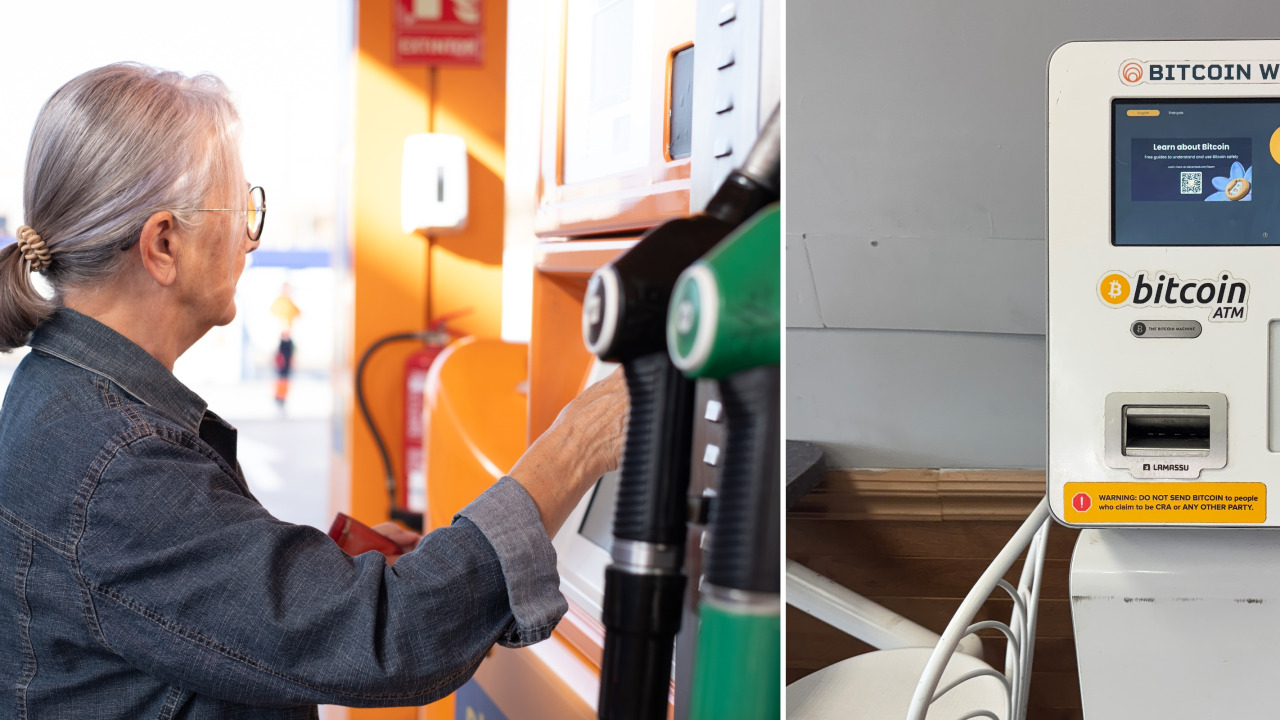
The callers said they were local police, and that her cash would buy her safe release from custody. So a woman in Johnston County, North Carolina, fed her savings into a cryptocurrency kiosk at a gas station.
Only when the callers demanded another $4,000 and she told them she had nothing left did the line go dead and the truth sink in, WRAL reported .
Dave Ramsey warns nearly 50% of Americans are making 1 big Social Security mistake. Here's what it is and 3 simple steps to fix it ASAP
The tax breaks in Trump's 'big beautiful bill' expire after 2028. Here are 4 reasons why retirees can't afford to waste time
Jeff Bezos backs a platform that lets anyone invest in rental homes for as little as $100 — 6 ways to build wealth like a landlord without actually being one
"I just set up an appointment with a counselor, so I'd have somebody to talk to, because it's really hurt me financially and hurt me mentally," she told the station. She asked not to be identified.
North Carolina Attorney General Jeff Jackson said the U.S. Department of Justice is looking into kiosk companies. "Investigation [is] underway as we speak," he told WRAL.
Crypto kiosks look like regular ATMs but turn cash into cryptocurrency. Transfers happen almost instantly, leave little evidence and are hard to reverse, WRAL reports .
And the number of scams is climbing. The FBI said that kiosk complaints topped 13,400 in 2025, up 23% from 2024, with reported losses of more than $388 million, up 58%. More than half the complaints involved people over 50. For North Carolina, the alert lists 491 complaints and about $12.6 million in losses.
Back in 2023, the FBI counted more than 5,500 kiosk complaints and $189 million in losses.
And the Federal Trade Commission found that losses at bitcoin ATMs grew almost tenfold from 2020 to 2023. In the first half of 2024, the median reported loss was $10,000, and people 60 and older were more than three times as likely as younger adults to report a loss.
Governor Josh Stein signed House Bill 920 in July. He said the law protects people from fraud at virtual currency kiosks by requiring the machines to be licensed and regulated under state law, limiting daily transactions and providing scam alert signs, live customer service, receipts and the ability to cancel an in-progress transaction. The law takes effect Jan. 1, 2027.
Topics in this story
Gathered from external sources. Rights to this text belong to whoever originally published it.