Nvidia Predicts AI-Fueled Sales Surge Will Extend Into 2028
Nvidia Corp., the chipmaker at the heart of the artificial intelligence boom, gave a bullish sales outlook for fiscal 2028, easing concerns that AI spending...
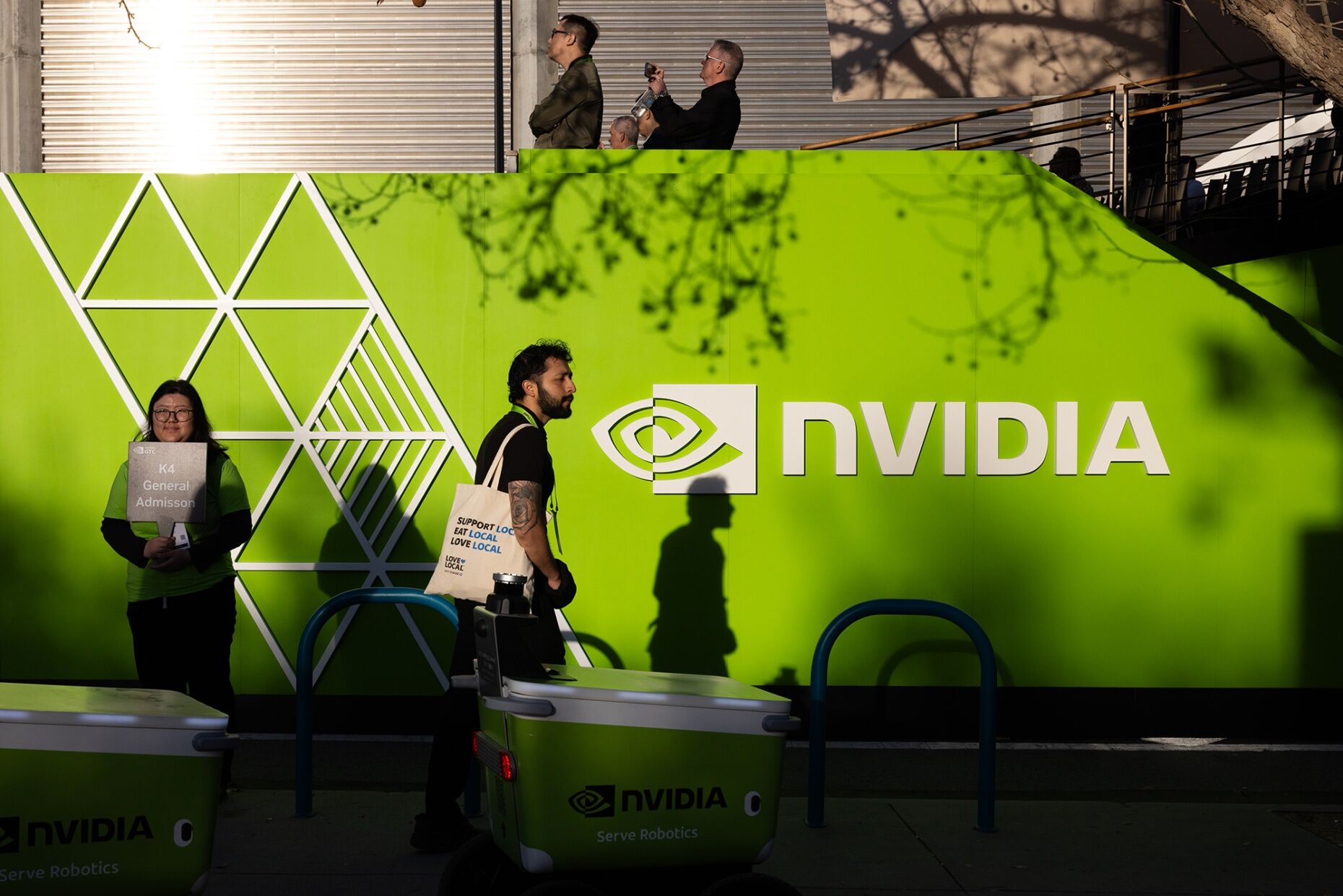
(Bloomberg) -- Nvidia Corp. ( NVDA ), the chipmaker at the heart of the artificial intelligence boom, gave a bullish sales outlook for fiscal 2028, easing concerns that AI spending is poised to lose momentum.
"We expect to grow revenue by approximately 70% in fiscal 2028," Chief Financial Officer Colette Kress said during a post-earnings conference call. Analysts have projected a rise of about 45% for that year, according to data compiled by Bloomberg.
Moreover, Nvidia would be growing even faster if it had access to more supplies, she said. "Incredibly, we are seeing demand acceleration even at our scale," she said. "Customers' forecasts point to our growth doubling next year."
The upbeat outlook offered relief to investors concerned about a bubble in the AI economy. Nvidia, the world's most valuable company, is the leading provider of AI accelerators, a key component for training and running artificial intelligence models. That status has turned its quarterly earnings into a barometer on the state of the wider industry.
Shares of the company rose 6.4% before the market opened in New York on Thursday.
In Nvidia's second-quarter earnings report, Chief Executive Officer Jensen Huang said demand is only accelerating. He also touted the rollout of the company's latest chip line, Vera Rubin.
"The AI infrastructure build-out is at full steam," he said. "Vera Rubin, now in full production, was built to power exactly this moment."
Revenue in the current period will be $108 billion, plus or minus 2%, the company said. Analysts had estimated $105.2 billion on average. Gross margin, the percentage of sales remaining after deducting the cost of production, will be roughly 74% in the quarter.
The company warned that margins would narrow in the coming months while Nvidia copes with a surge in memory costs. It expects the measure to bottom out in the fiscal fourth quarter — a period that runs through January — at 71% to 72%.
As Nvidia increases its own prices, the range should settle down to 72% to 73% in fiscal 2028, Kress said.
The broader message was that there's been no letup in demand from customers. After years of runaway growth, some investors had become concerned about a potential bubble. Nvidia's myriad investment pacts with companies in the AI economy also sparked fears that circular deals will leave the industry on shakier ground.
Topics in this story
Gathered from external sources. Rights to this text belong to whoever originally published it.