Blue Owl Sees Gains as Election Results Limit AI Compute Supply
Blue Owl is telling investors that it expects to earn more on its digital infrastructure deals as capital becomes scarcer while warning that a Democratic swe...
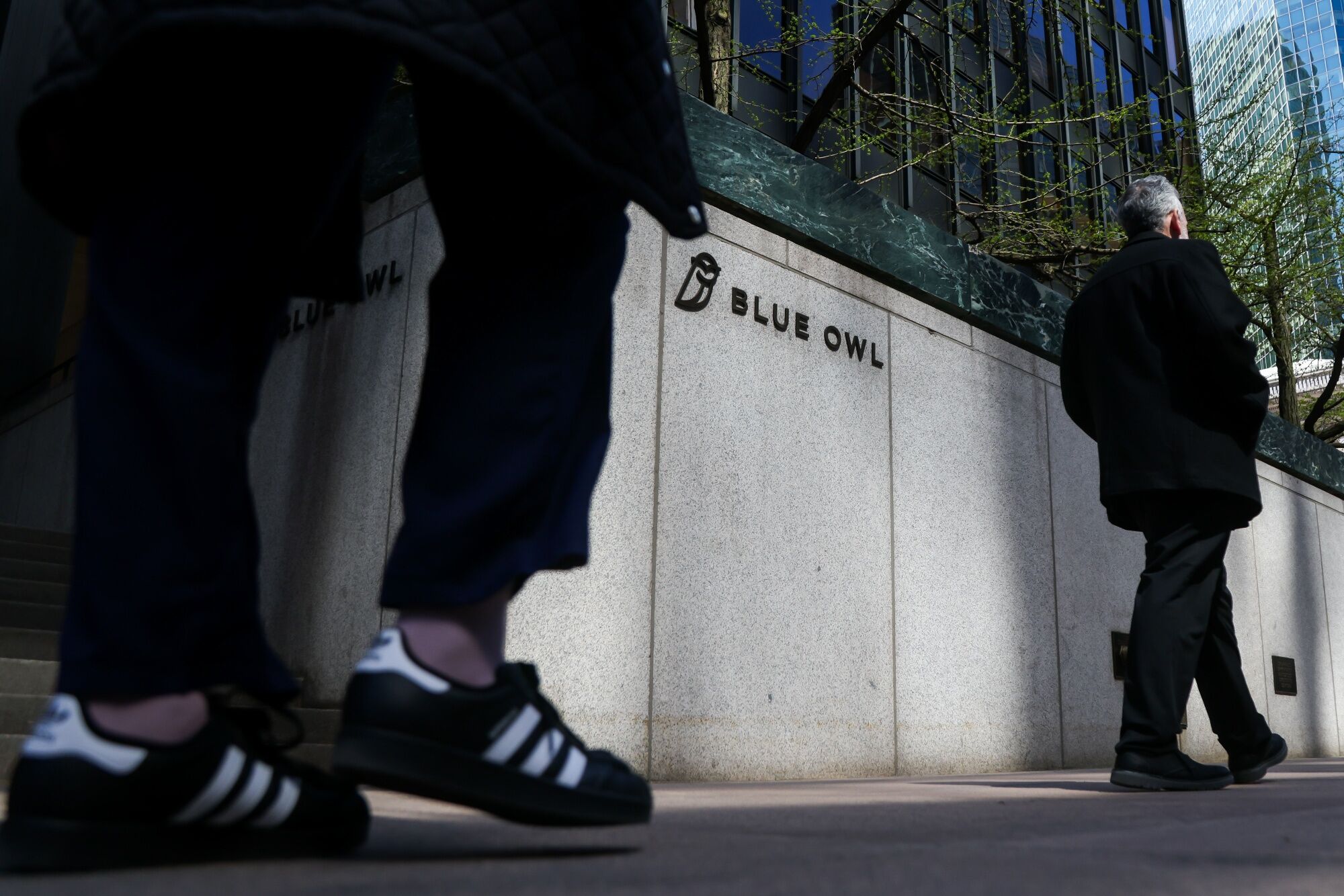
(Bloomberg) -- Blue Owl is telling investors that it expects to earn more on its digital infrastructure deals as capital becomes scarcer while warning that a Democratic sweep in the US midterm elections could make it harder to add computing capacity.
"We think those spreads are going to continue to widen out for some period of time," said Erik Bissonnette, president of Blue Owl Technology Finance Corp., on its earnings call. "There is no change in the demand for compute. We think the supply for compute will obviously be a little more challenged given the change of what we're seeing and the fallout potentially here from a change in government."
The fund, also known as OTF, is one of Blue Owl Capital Inc.'s two publicly traded business development companies to report their third-quarter results Thursday. With $330 billion in assets, Blue Owl has been at the forefront of the artificial intelligence trade, ranging from the construction of data centers to the financing of chips that power them.
Traders have grown increasingly fearful around whether the massive spending on building out AI's underlying infrastructure can justify the returns. Those concerns have raised borrowing costs for companies in the space, which could make lending more attractive for those still willing to brave the turbulence.
OTF said its compute deals are focused on very short-duration debt. That includes a recent $2.4 billion financing for AI neocloud Iren Ltd., which was the fund's largest new deal in the third quarter.
It is aiming to increase the allocation for such investments to the "high single digits," up from about 2% of the portfolio at fair value currently. Blue Owl says it is focused on investing based on secure cash flows rather than the value of the chips.
But the firm also looked to calm concerns around private credit, including the level of software exposure and the way the private credit firms value their loans, which do not trade publicly.
During the quarter, it exited $1 billion of investments from another one of its non-traded BDCs, Blue Owl Capital Corp. II, as it continues to wind down the vehicle, telling investors that every loan it sold was purchased at or above their marks.
Topics in this story
Gathered from external sources. Rights to this text belong to whoever originally published it.