Mark Cuban says Facebook knowingly runs AI deepfake scam ads as Meta docs reveal $16 billion in fraud-linked revenue
Cuban says he has been seeing his own face in scammy AI-generated ads for nonexistent diabetes cures.
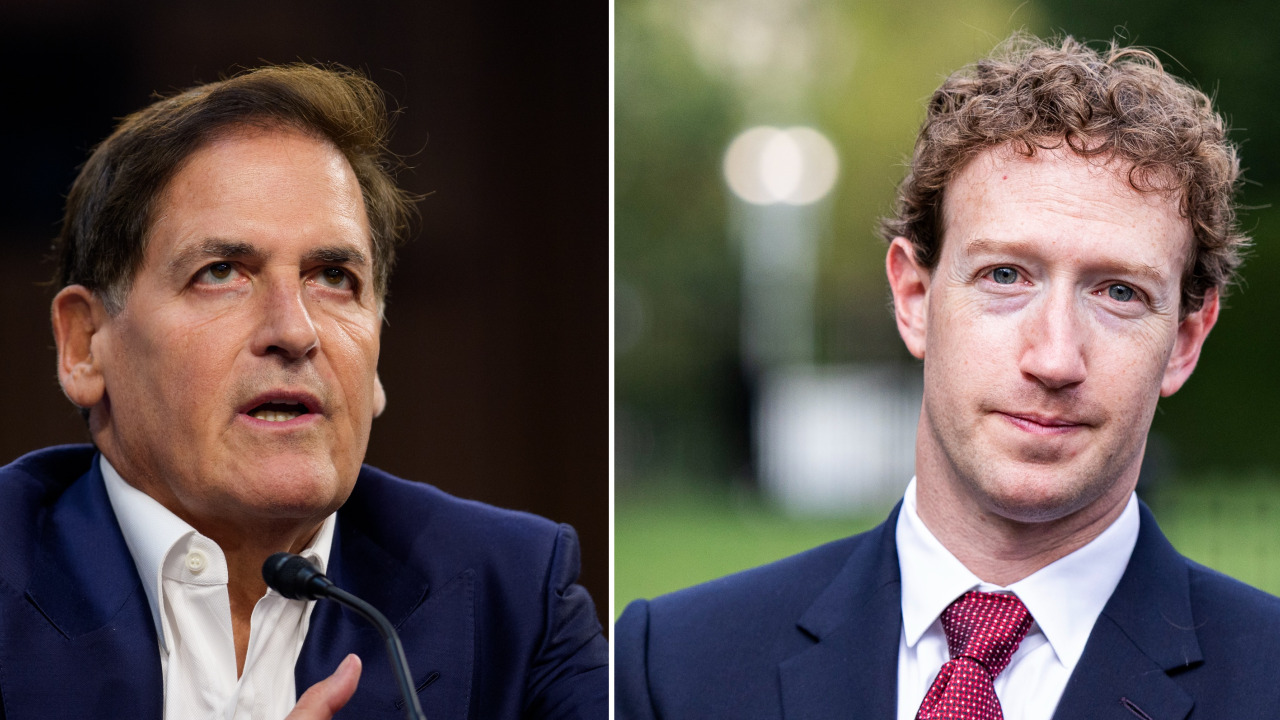
Mark Cuban keeps getting emails about a $294 diabetes cure he has never sold.
"Every single week I get emails from little old men and ladies saying, 'Will my cure for diabetes work?' or 'I just ordered your cure for diabetes for $294,'" the 68-year-old billionaire investor said on an August episode of Pivot , the podcast hosted by Kara Swisher and Scott Galloway.
Jeff Bezos backs a platform that lets anyone invest in rental homes for as little as $100 — 6 ways to build wealth like a landlord without actually being one
Dave Ramsey warns nearly 50% of Americans are making 1 big Social Security mistake. Here's what it is and 3 simple steps to fix it ASAP
A single line on your car insurance policy could be inflating your premium by up to 30% — here's what to change
Those ads are deepfakes built with an AI copy of his face and voice, Cuban said, and Meta (NASDAQ:META) runs them anyway. "Facebook knows the little old ladies are getting ripped off," he said. He called the platform "the worst of the worst."
Cuban said some of the ads even include a disclaimer admitting the person on screen is AI-generated and the clip is meant as entertainment. By the time anyone gets to it, he argued, the pitch has already worked. "And to Facebook, that's good enough," he said.
"The point is, that defines the culture of the organization," Cuban said. A company that lets scammers go after people's grandparents, he argued, has shown what it will tolerate at every level.
Cuban does run a drug company — he co-founded Cost Plus Drugs , an online pharmacy that sells low-cost generic medications.
On Nov. 6, 2025, Reuters reported on internal Meta documents showing the company expected roughly $16 billion, or about 10% of its 2024 revenue, to flow in from ads pushing scams and prohibited products. By Meta's own internal count, users across its apps were seeing some 15 billion "higher risk" ads a day — the ones with obvious markers of fraud. One late 2024 document put that category's value at about $7 billion a year.
In a May 2025 presentation, Meta's own safety staff estimated the company's platforms play a part in a third of the scams that succeed in the U.S. Before Meta bans an advertiser, its automated systems must peg the account as at least 95% likely to be running a scam, the documents say . Below that threshold, the suspected scammer simply pays more per ad and stays live.
Meta spokesman Andy Stone told Reuters the documents "present a selective view that distorts Meta's approach to fraud and scams," and called the company's 10% estimate "rough and overly-inclusive." Complaints from users about scam ads had fallen 58% over the prior 18 months, he said at the time, and the company pulled down more than 134 million scam ads in 2025. The same documents note the Securities and Exchange Commission is looking into Meta over advertising tied to financial fraud.
Topics in this story
Gathered from external sources. Rights to this text belong to whoever originally published it.