Ares CEO Says It’s Avoiding Backing AI Chips, Citing Complexity
Ares Management Corp. is avoiding financing deals to back the high-powered processing units that run sophisticated AI models, opting to invest in the data ce...
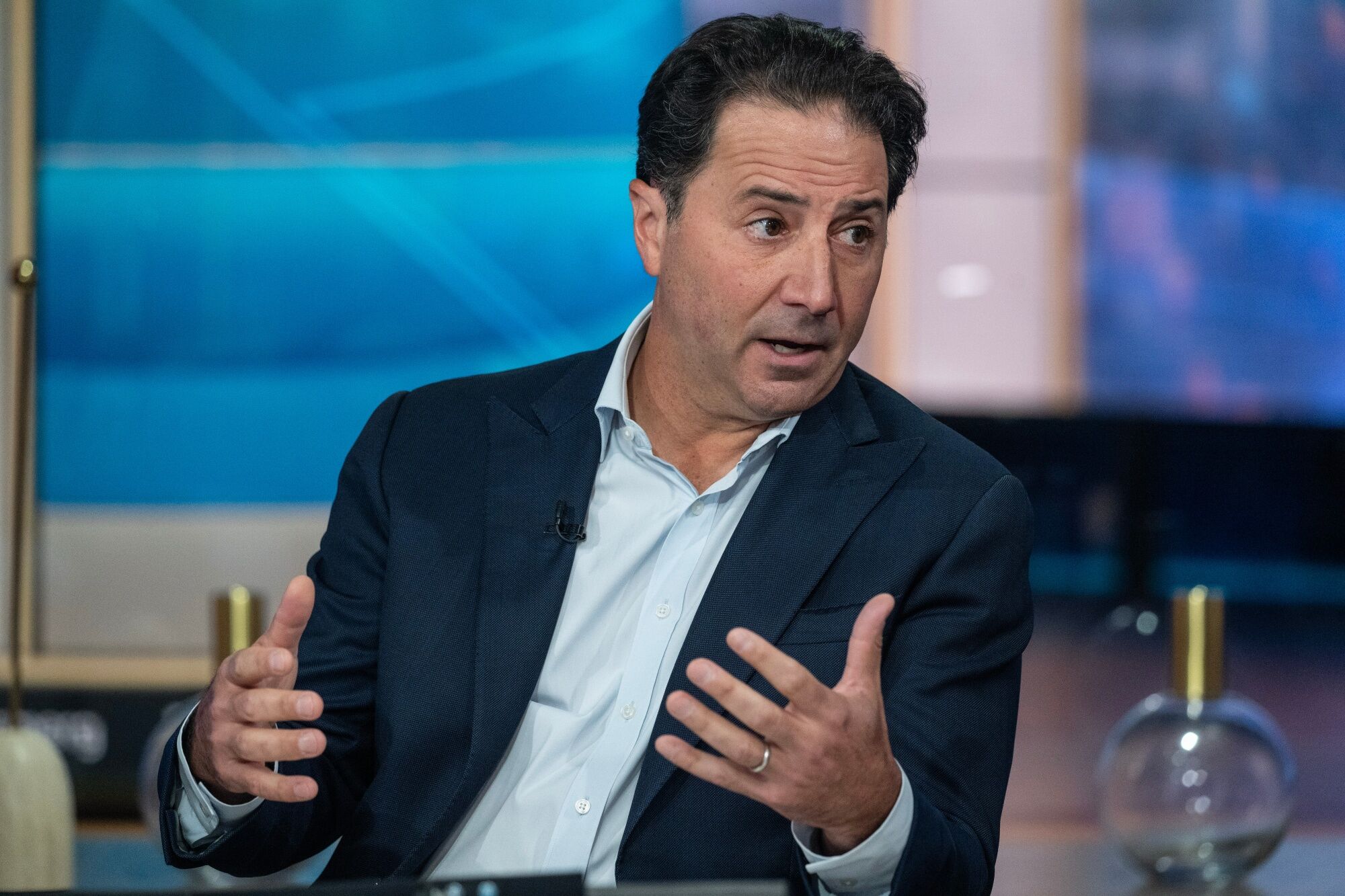
(Bloomberg) -- Ares Management Corp. is avoiding financing deals to back the high-powered processing units that run sophisticated AI models, opting to invest in the data centers that house them instead.
The asset manager has concerns that if it backs graphics processing units, it could get stuck holding assets that may be obsolete not long after they're released, said a person close to the firm, who asked not to be identified because the information is private.
"It's frankly a simpler underwriting with really attractive relative value," Chief Executive Officer Michael Arougheti said on a call with analysts Thursday, referring to financing data centers versus the computer chips known as GPUs.
"Without casting aspersions on GPU financing," Ares is finding more attractive investments in data centers and adjacent power infrastructure, he added.
The market for financing data centers is huge relative to the capital available to back them, according to Arougheti. The firm estimates AI capital expenditure needs to be around $5 trillion, with roughly $2 trillion needed for the build-out of physical AI buildings and adjacent infrastructure and $3 trillion for GPUs.
Arougheti's remarks come at a time of heightened investor anxiety around the AI sector, with both stocks and corporate bonds taking a beating in recent weeks on concerns that the massive spending on the sector may outstrip future revenues.
Almost every US bank and alternative asset manager has participated in the AI financing boom, on deals including Broadcom Inc.'s roughly $60 billion debt financing for chips that will be leased to Anthropic PBC and SpaceX's talks to raise about $40 billion for Nvidia Corp. chips. These chips cost multiples more than the data centers that house them, but typically depreciate over roughly five to six years.
Arougheti said on the firm's earnings call that he doesn't know "how to underwrite the decline and depreciation curves on that type of technology."
"At least for the time being, we're kind of sticking to the half of the market that we understand best and where our capability set is the deepest," he said
The bonds of CoreWeave Inc., the most well-known of the so-called neoclouds that lease GPUs to AI developers, plunged this month to levels that usually indicate distress. The cost to insure its debt has also spiked, reflecting concerns about the growing amount of borrowing underpinning the AI boom.
Topics in this story
Gathered from external sources. Rights to this text belong to whoever originally published it.