Google nixes its Earth AI feature one day after launch, amid criticism it would spread misinformation | TechCrunch
A tool that allowed anyone to generate fake AI-generated imagery and superimpose it over real Google Earth maps quickly spurred backlash.
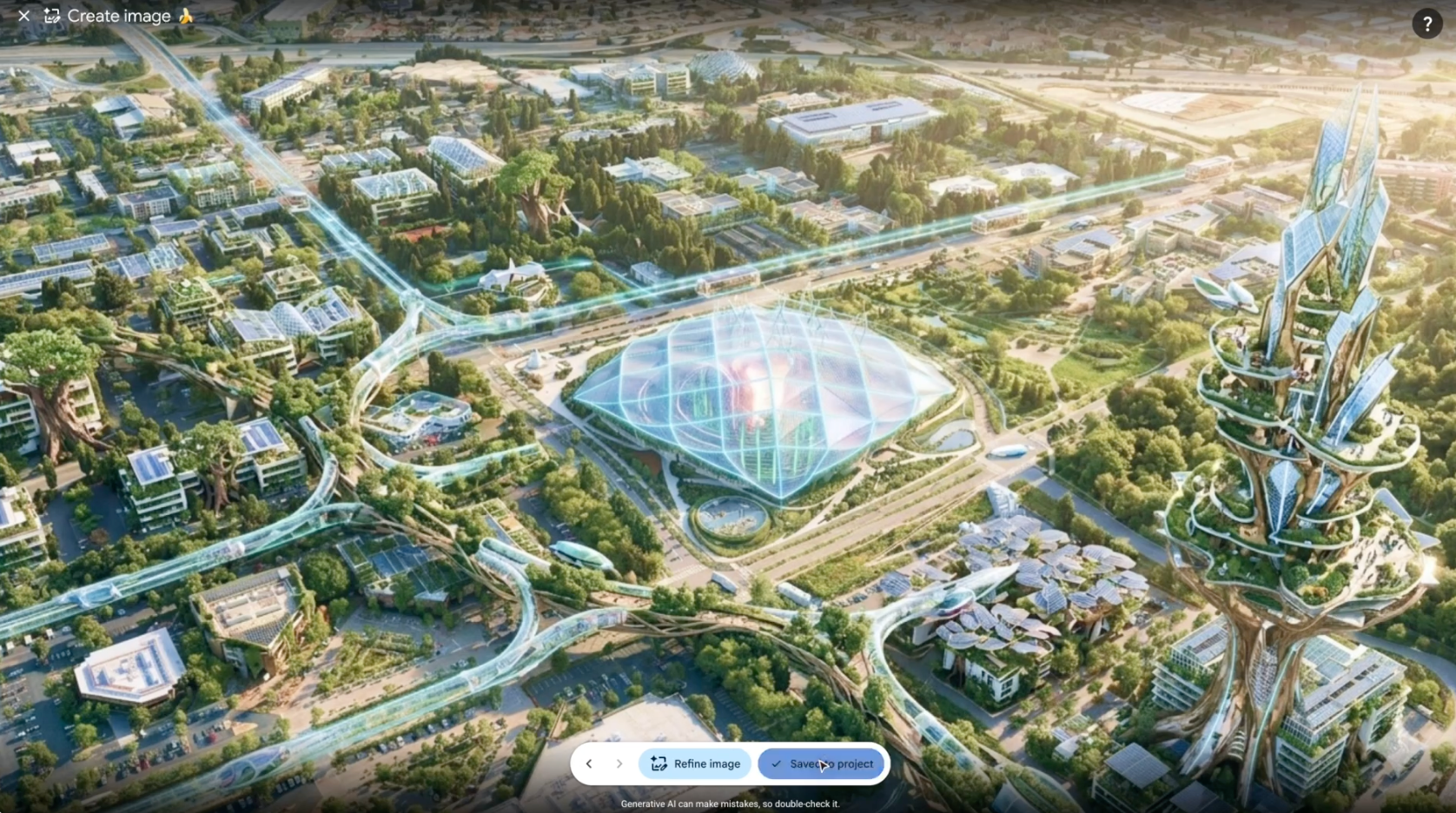
Google rolled out a new feature on Thursday that allowed users to deploy Nano Banana 2, its AI image generator, to create fabricated images inside its satellite imagery mapping app Google Earth. The whole point of this feature, Google said, was to get creative with geography.
But critics quickly pointed out that the tool could be used to create and spread misinformation. The tool, which was prompt-based and allowed pretty much any image to be superimposed over real maps, seemed like a recipe for a deluge of geospatial slop.
“There’s no way that this new AI image generation feature on Google Earth, one of the most reliable sources of visual evidence for journalists and researchers, could possibly be abused to spread misinformation online,” a BBC journalist posted sarcastically Thursday.
Now, only a day after the feature’s release, Google has scrapped it.
“We’ve seen geospatial professionals using this feature for a range of useful purposes, however we’ve also seen people sharing screenshots of generated imagery that appear to violate our policies,” the company said in a statement .
“We’re rolling back this feature in Google Earth while we work on implementing stronger guardrails,” Google added.
The criticism of Google’s tool is understandable, although it’s worth pointing out that, in the age of AI, most imagery that exists on the web can be easily manipulated. You don’t have to be a Photoshop whiz anymore to create semi-credible disinformation; you just need access to an AI image generator, which Google sells, as do many other AI firms.
Topics in this story
Gathered from external sources. Rights to this text belong to whoever originally published it.