Euclyd raises $231 million Series A with Samsung backing
The Eindhoven-based startup is designing low-power chip systems for AI inference and aims to begin commercial deployments in 2028
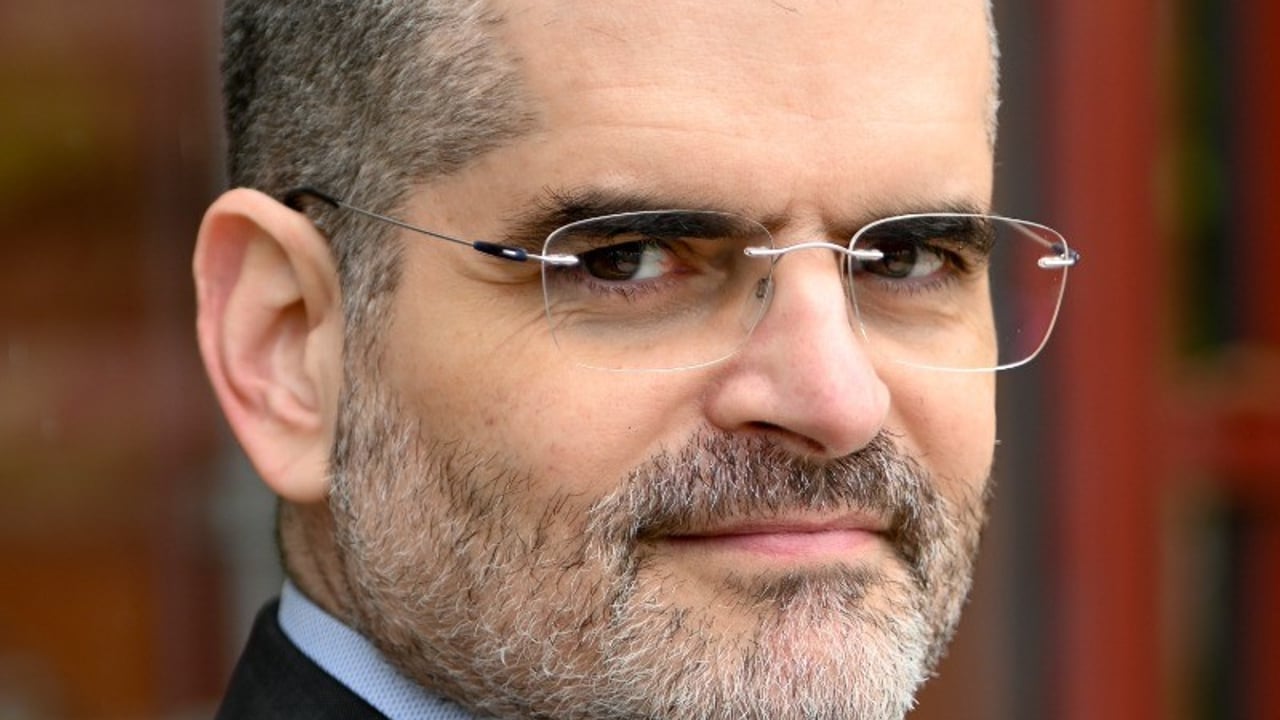
Euclyd, a Dutch semiconductor startup, raised $231 million in a Series A round backed by Samsung, the company said. The 200-million-euro round was co-led by Samsung alongside Somerset Capital Partners, the Scaleup Europe Fund managed by EQT, and Innovation Industries, according to CNBC .
Founded in 2024 by Bernardo Kastrup and Atul Sinha at High Tech Campus Eindhoven in the Netherlands, Euclyd is building chip systems designed to reduce the energy consumption and cost of running AI models. The company's roadmap targets AI inference — the stage at which a trained model responds to queries — rather than the model training workload, the company said.
Euclyd's planned hardware combines programmable compute, processor-memory co-design, and system-level optimization, the company said. On the commercial side, Euclyd plans to pursue two distinct lines of business: direct sales of rack-based hardware to enterprises running AI inference on their own infrastructure, and licensing arrangements with chip developers who want to build on Euclyd's underlying technology, the company said.
Euclyd chief executive officer Bernardo Kastrup told CNBC that Samsung brings more than capital to the partnership. "They are one of the biggest memory manufacturers in the world. They do a lot of engineering, they know a lot about systems, they know the supply chain, they have a huge network," he said.
Dede Goldschmidt, senior vice president of Samsung Electronics and head of the Samsung Semiconductor Innovation Center, said in a statement that Euclyd's approach addresses real constraints in AI data centers. "The next phase of AI will be defined not only by model innovation, but also by the efficiency and scalability of its infrastructure," Goldschmidt said.
The company plans to use the proceeds to expand its engineering team, advance its silicon and systems development, and build out ecosystem partnerships, the company said. Euclyd has not yet demonstrated its chip systems in large-scale commercial environments, according to CNBC.
Bernardo Kastrup told CNBC that the company expects to launch its physical chip systems in 2028 and serve thousands of enterprise customers by 2030.
The funding arrives as investment in AI chip alternatives to Nvidia has grown. Nvidia's share of the inference chip segment — estimated between 60% and 75% in 2025 — faces growing pressure from custom silicon developed by hyperscalers and startups alike. Inference, where a deployed model handles live queries, is the segment where competition against Nvidia is most active, because challengers have found Nvidia's grip there is comparatively weaker than in training.
Topics in this story
Gathered from external sources. Rights to this text belong to whoever originally published it.