Altman-Musk Feud Escalates as OpenAI Cuts Off Cursor Access After SpaceX Merger
OpenAI just pulled model access from Cursor the moment SpaceX took ownership, turning a years-long personal feud into a live stress test of who actually cont...
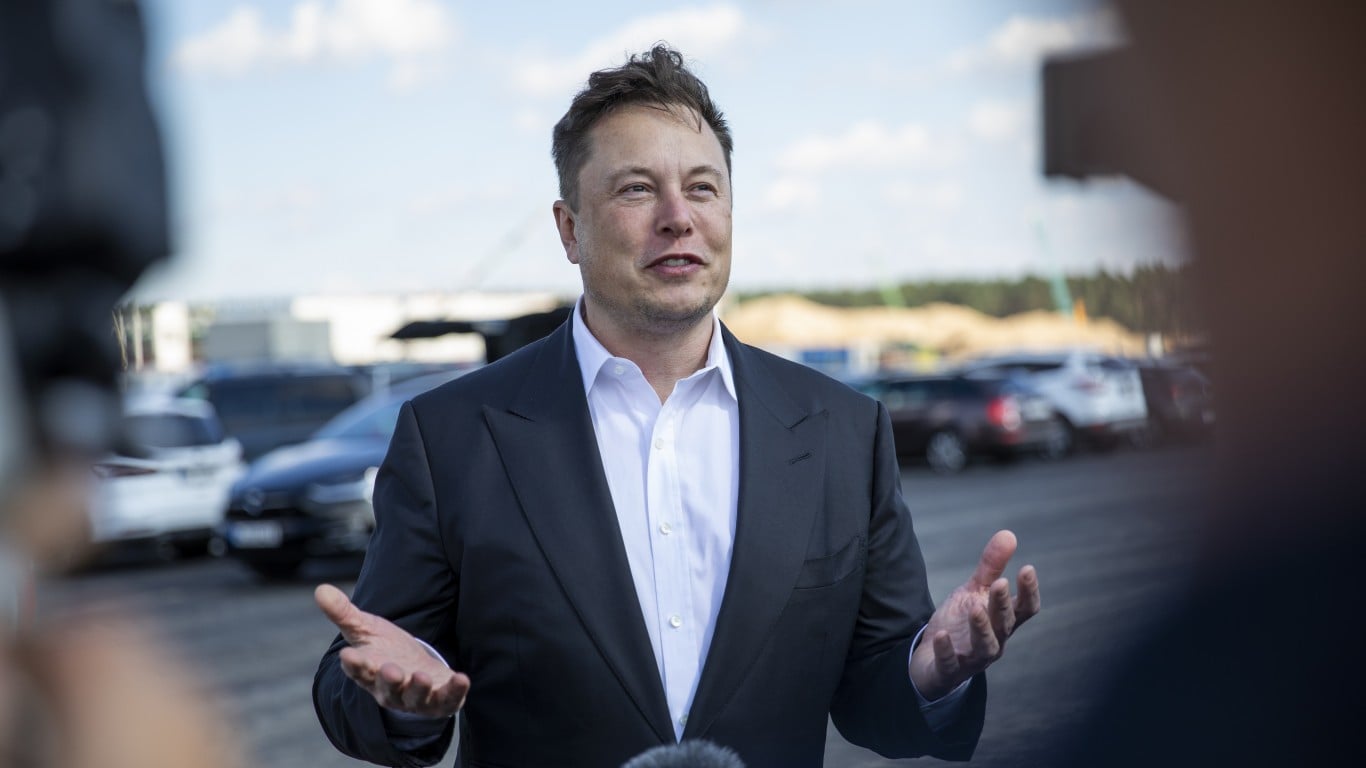
OpenAI revoked Cursor's API access after SpaceX's $60 billion acquisition, citing Musk's pattern of contract violations, though OpenAI served just 5% of traffic.
SpaceX's Colossus clusters, targeting 1 million H100 equivalents, now power Cursor's $4 billion revenue base, eliminating dependence on rival AI suppliers.
Analysts set a $219 average price target on SpaceX, representing over 50% upside, as AI vertical integration mirrors the playbook that collapsed launch costs.
Act now: the analyst who called NVIDIA in 2010 just named his top 10 AI stocks — and SpaceX didn't make the cut. Grab the names FREE today .
The long-running dispute between OpenAI CEO Sam Altman and Elon Musk has simmered for years, rooted in Musk's exit from the AI lab he co-founded and his subsequent legal and public challenges over its direction. That rivalry just moved from boardroom barbs to operational consequences.
On Friday, OpenAI cut off model access for Cursor after SpaceX ( NASDAQ:SPCX ) completed its $60 billion acquisition of the coding platform, turning a personal and philosophical clash into a concrete test of control over AI infrastructure.
OpenAI threw shade at Musk, directly naming him as the reason behind its decision:
"We are making this choice because we cannot be confident that SpaceX will use our technology within our terms of service, based on our experience with Elon Musk's companies violating contracts."
Beyond the drama, though, the real story sits in SpaceX's Colossus clusters. The system seeks to scale to the equivalent of 1 million Nvidia ( NASDAQ:NVDA ) H100 chips. That hardware is the bottleneck Cursor itself flagged before the deal: the coding tool needed massive dedicated compute to train competitive models of its own.
By owning both the compute and now the application layer that reaches expert software engineers, SpaceX is running the same vertical-integration playbook it used to drive launch costs from roughly $10,000 per kilogram down toward $100. Cursor brought roughly $4 billion in annualized revenue at the time of the acquisition at a 15-times multiple. Folding that distribution into Colossus removes reliance on rival labs and turns a potential supplier risk into an owned asset.
Ironically, OpenAI's decision accelerates rather than derails that plan. Cursor can still route developers to their own OpenAI API keys or other providers in the interim, and Anthropic has already signaled increased Claude support. Yet future OpenAI models, including the forthcoming Astra, stay off the table. That pushes SpaceX harder toward proprietary Grok-powered coding agents trained on its own iron.
Gathered from external sources. Rights to this text belong to whoever originally published it.