12 subscriptions that are no longer worth paying for in 2026
Between higher prices, ads and overlapping features, many popular subscriptions aren't worth the monthly drain on your bank account anymore.
If you buy something through a link in this article, we may earn commission.
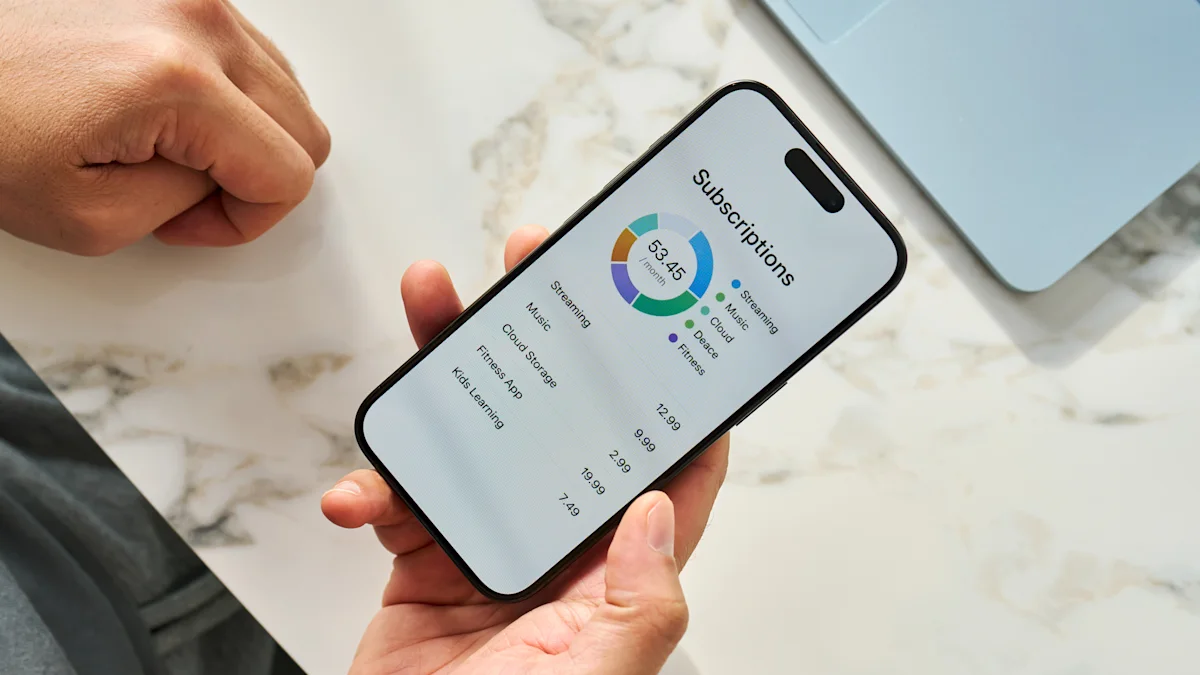
Not that long ago, subscriptions felt simple. You paid for Netflix instead of cable, Spotify instead of buying CDs and Amazon Prime for the free shipping. But somewhere along the way, nearly every company decided your credit card deserved a recurring monthly charge. Now we're subscribing to food delivery apps, AI tools, cloud storage, fitness trackers, printer ink and enough streaming services to recreate a 2009 Comcast bill five times over.
If you really want to see how wild it's gotten, open the subscriptions tied to your Apple ID or scroll through your credit card statement for a few minutes. (Be honest, when was the last time you actually did that?) There's a decent chance you'll find at least one monthly charge you forgot existed entirely.
To be clear, this isn't about canceling everything and living like it's 1997. Some subscriptions are useful and worth every penny. But these are the ones that, for a lot of people, aren't pulling their weight anymore.
Remember when cutting the cord was supposed to save you money? We went from paying one expensive cable bill to juggling Netflix, Hulu, HBO Max, Disney+, Peacock, Paramount+ and three others you forgot were still auto-renewing. Worse, a lot of them now charge more while also showing ads — nothing like the privilege of paying to watch commercials.
The smarter move is to rotate services rather than subscribe to all of them year-round. Subscribe for a month, binge what you want, cancel it, then move on to the next one. Unless you're constantly using a specific platform every week, you're paying $20 a month just to scroll past the same five shows every night before rewatching The Office again.
Still dealing with a menagerie of remotes every time you want to watch TV? Stop the insanity with this easy and intuitive top-seller (which happens to be the newest model) that can replace 'em all. You'll be able to effortlessly switch between the news, sports, live TV and your favorite streaming platforms for easy access to millions of shows and movies. If you have a 4K TV, the Fire TV Stick 4K Max is the most powerful streaming stick Amazon makes.
Food delivery apps felt like a lifesaver a few years ago. Busy night? Tap a button and tacos magically appear at your front door. But in the past few years, the math got weird. Thanks to delivery fees, service charges, tips and inflated menu prices, your $14 burrito bowl becomes a $31 hit to your bank account.
At the risk of sounding like a personal finance guy with a YouTube channel and a microphone headset, most of us probably don't need to be ordering takeout as often as we do — especially not paying extra to have someone bring us a lukewarm burrito bowl from three miles away. A little planning and a trip to Aldi or Trader Joe's can easily cover a week of quick meals, many of which are super easy to make: just pop them in the microwave, oven or air fryer, and you're done.
If you're addicted to the food delivery apps, consider this your recovery tool. Frozen meals, chicken nuggets, salmon, roasted vegetables — this thing makes all of them faster than most delivery drivers can get to your house, and without the service fees, tips or mysterious $11 delivery surcharge attached to your burrito bowl.
Dealusy Glass Food Storage Containers, 10-Piece Set
This is the one on the list I thought most about not including because dedicated password managers are excellent products. But Safari and Chrome have gotten insanely good at password management, which means a lot of people are paying monthly for password managers even though they already rely mostly on the built-in tools on their phones and computers.
If you want to take your online security seriously, a hardware security key adds an extra layer of protection to important accounts like email, banking and cloud storage. It's like a house key for your digital life. Even if someone figures out your password, they still can't get inside without the physical key itself.
Audiobook subscriptions are dangerous because, like fitness apps, they are somewhat aspirational. You set a goal for yourself at the beginning of the year to become the person who listens to 45 books a year while jogging at sunrise and organizing your home. By June, you're still halfway through chapter three of the same history book you started in February.
For heavy listeners, Audible and similar services can absolutely be worth the money. But before committing, it's worth checking what you already have access to. Spotify includes audiobooks on paid plans, and most public libraries offer free access to large catalogs through apps like Libby or Hoopla — no subscription required. A lot of people are paying monthly to slowly build a digital bookshelf of books they fully intend to listen to "eventually," without realizing a free option was sitting right there.
If your goal really is to consume more books, investing in a dedicated reading device may make more sense than endlessly paying for audiobook subscriptions you barely use. Bonus: You can use your Bluetooth headphones to listen to your audiobooks from this Kindle Paperwhite as well.
Printer ink subscriptions might be one of the clearest examples of how absolutely everything became a subscription. Most people barely print anymore aside from shipping labels, school forms and the occasional tax document.
If you're still printing constantly for work or running a home office, an ink subscription may make sense. But for casual users, a cheap monochrome laser printer is usually the better long-term move. The toner lasts forever, the printers are surprisingly reliable and — perhaps most importantly — they don't email you every time you print a document. And if you'd rather not commit to a subscription at all, buying ink only when you need it is almost always cheaper for anyone printing sporadically.
Yes, this printer comes with a "free trial" and tons of bloatware, but here's the thing: You don't have to install it or subscribe to anything for it to work well and reliably.
Canon Pixma TS4320 Wireless Color Inkjet Printer
A lot of people now have what can only be described as a subscription smoothie of fitness apps. Strava, MyFitnessPal, Apple Fitness+, Peloton, meditation apps, macro trackers, sleep apps — at a certain point, you're paying monthly to generate colorful graphs showing how tired you are.
Modern smartwatches and phones already do a pretty impressive job handling most of this stuff for free. If you're training for a marathon or following a specific daily program, absolutely keep the app you love. Right now, I pay for Strava and use it almost daily, but if you haven't opened it since January and it's still charging your credit card every month, it might be time for the digital equivalent of cleaning out your garage.
Many of these apps offer free trials or pared-down, no-cost experiences that let you check them out for a while before committing. For the ones that you do use, keep an eye out for lifetime subscriptions. I snagged a lifetime subscription for Lose It! a few years back, and it has saved me quite a bit in fees since then.
This smartwatch boasts upgrades like 24-hour battery life, updated sleep score features, integrated exercise modes and heart-rate monitoring, all without a subscription.
2025 and 2026 became the years of paying monthly for ChatGPT, Claude, Midjourney and three other apps that promised to "revolutionize productivity" before mostly just helping write slightly more professional-sounding emails.
To be clear, AI tools can absolutely be worth paying for — especially if you use them every day. The problem is that a lot of people now have overlapping subscriptions that basically do the same thing. In most cases, one good AI subscription is plenty. You probably don't need an entire Avengers team's worth of chatbots helping you make your weekly grocery lists.
Many modern laptops and tablets have AI tools built directly into the operating system — like Apple Intelligence in the MacBook Air — that include everything from writing assistance and image cleanup to summarizing notifications and organizing files. Upgrading the device you already use every day may have a bigger impact on productivity than subscribing to multiple AI services.
Just note that Apple recently raised prices on MacBooks and some iPads due to increased memory costs and widespread shortages. You'll want to keep an eye out for good deals on these devices during events like Amazon Prime Day or Black Friday so you can save a little cash while you upgrade.
Cloud storage subscriptions usually start innocently enough. You run out of space once, upgrade to the next tier and suddenly you're paying monthly to store 14,000 screenshots, blurry dog photos and a video from a concert you haven't watched since 2022.
A surprising number of people upgrade storage plans instead of just deleting junk. Modern phones are packed with duplicate photos, giant video files and random downloads, all of which are driving up your monthly bill.
I'm an Apple user, but this drive should work with any phone that has a USB-C connection. Plug this drive into your iPhone with the USB-C cable. Open Photos, pick what you want, hit Share, then tap Save to Files. Choose the SSD and a folder, and you're done. Now you can go back and delete the copied photos and free up space on your device. The drive's already formatted correctly, so it just works — just make sure your phone's got enough juice since SSDs pull a little more power than other devices.
Retail memberships are starting to feel a lot like streaming services. Amazon Prime, Walmart+, Instacart+, Target Circle 360 — companies realized people will happily pay monthly fees in exchange for faster shipping, grocery delivery and the occasional "exclusive deal" on paper towels.
The issue with these is similar to that of streaming services: most overlap heavily. They're also designed to remove every barrier between you and a purchase — fast delivery, free shipping, one-click checkout — which is great when you really need something, but quite expensive when you don't. That small friction of a shipping cost or a two-day wait used to make you pause and reconsider. At most, I would pick the one membership that fits how you shop and leave the rest behind.
Retail memberships encourage convenience spending and impulse buying. Organizing your pantry, freezer and storage space makes it easier to buy intentionally in bulk and use what you already have.
If you bought a family computer in the early 2000s (Gateway, anyone?), there was about a 97% chance someone at the store also convinced you to buy antivirus software. Back then, that wasn't necessarily bad advice. The internet was still the Wild West, and clicking the wrong pop-up ad could mean destroying your entire family's desktop computer in seconds.
Modern computers are much better at protecting themselves now. Antivirus subscriptions can still make sense for older relatives, shared family computers or people who download sketchy files from the internet. Still, many casual users are paying annual fees for protection they no longer need.
Instead of paying yearly for bloated antivirus software, investing in a modern mesh router like this Amazon Eero 6+ may do more to improve both your Wi-Fi and your home network security. Modern routers receive regular security updates and help protect the growing number of connected devices in your home, from laptops and phones to smart TVs, video doorbells and gaming consoles.
Adobe Creative Suite or other photo editing apps
Adobe subscriptions make perfect sense for professional photographers, designers and video editors. If your paycheck depends on Photoshop or Lightroom, this isn't about you. But many users are still paying professional-level subscription prices just to occasionally crop vacation photos and increase the brightness by 12%.
Phones and free editing apps have gotten incredibly good. For most people, the built-in editing tools on an iPhone or Android device already handle 90% of what they actually need. Paying monthly for a massive suite of creative software to edit two Christmas card photos a year is a complete waste of money. Additionally, if all you're doing is editing photos, just get Lightroom; there's no need to spend money on a bundle of video editing and design apps.
For many people, Adobe's Lightroom-only plan makes a lot more sense than paying for the entire Creative Cloud package, which has a monthly cost of around $90. At $84 for a year (that's $7/month), Lightroom still gives you seriously powerful editing tools without making you pay for dozens of professional apps you'll likely never open.
Outdoor apps have gotten really great. Offline maps, trail conditions, GPS tracking, campsite info — they're incredibly useful tools, especially for hiking, backpacking and trail running. The problem is that a lot of outdoorsy people (like me) have five overlapping subscriptions.
Apps like AllTrails+, Gaia GPS and onX Backcountry absolutely have their place, especially for serious hikers and backcountry users. But many casual hikers don't need multiple premium subscriptions just to find a local trail with decent parking and a cool lake at the end. In a lot of cases, one app is more than enough.
Instead of paying monthly for multiple overlapping hiking and navigation apps, a GPS watch with built-in mapping and offline navigation may make more sense for people who spend a lot of time outdoors.
Gathered from external sources. Rights to this text belong to whoever originally published it.