Nvidia-Backed IPO’s Cratering Demand Sends Warning on AI Funding
The sudden plunge in demand for an Nvidia-backed data center company’s initial public offering is revealing fresh cracks in the AI funding boom.
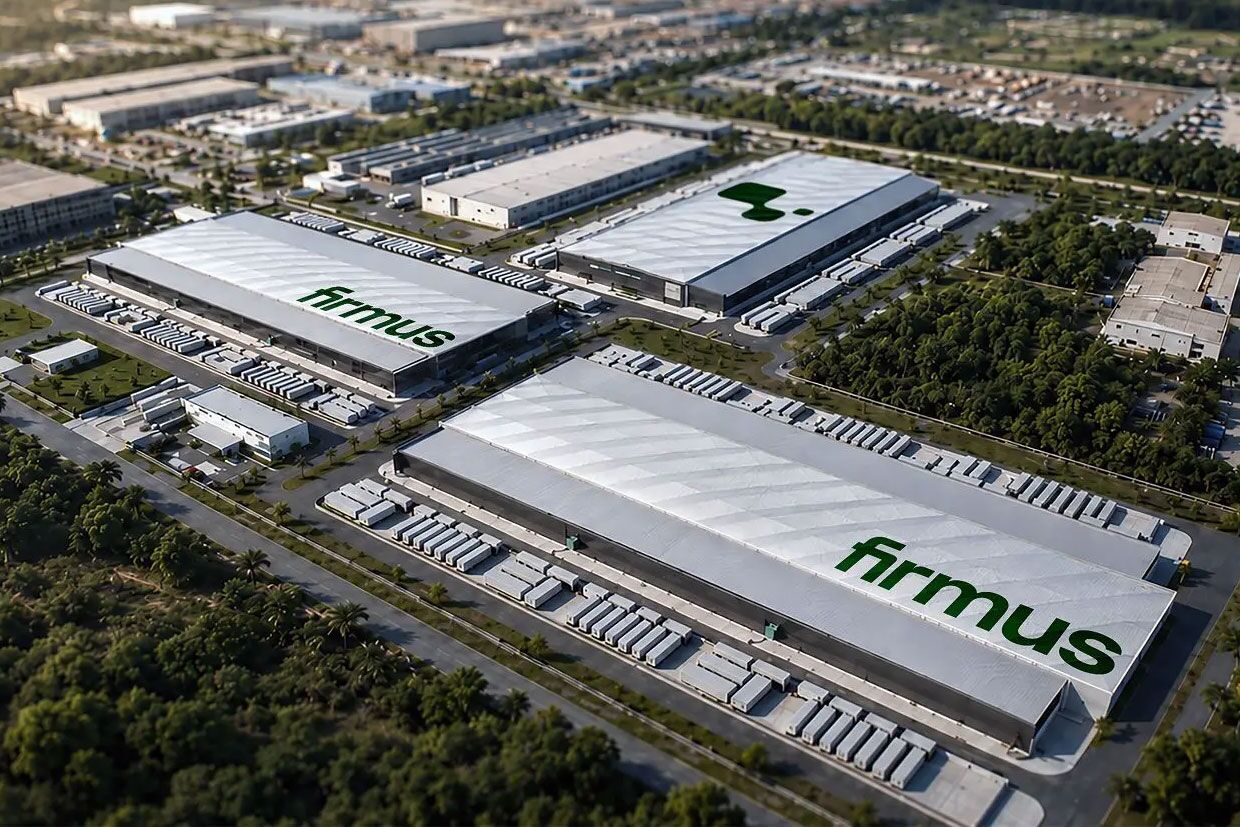
(Bloomberg) -- The sudden plunge in demand for an Nvidia-backed data center company's initial public offering is revealing fresh cracks in the AI funding boom.
The planned $5.5 billion listing by Australia's Firmus Grid Ltd. has become shrouded in uncertainty after the deal failed to attract adequate support for the A$11 marketed share price, according to people familiar with the matter.
Some investors turned cautious just days after the company said it received indications of interest well above the offer size, putting it on track for a $30 billion valuation, the people said. While Firmus closed order books on Thursday, it has so far given no clear indication of the price or the deal structure, an unusual communication gap that's fueling speculation the price may be cut or the IPO scrapped altogether.
The deal underscores growing concern over how much capital AI infrastructure companies are demanding from public markets at a time when borrowing costs are rising. Much of Firmus' valuation is based on the company successfully building a pipeline of data centers across Asia serving customers such as Meta Platforms Inc. and OpenAI. Currently it operates two data centers. The IPO proceeds were needed to help fund construction of the broader network.
"Investors still believe in AI," said Maxence Visseau, Dubai-based chief investment officer at Arkevium Capital, a multi-strategy investment firm. "What they won't do is pay any price for companies that spend huge amounts on data centers, depend on a few big customers, and promise profits years from now."
Listen and follow The Bloomberg Australia Podcast on Apple, Spotify, YouTube or wherever you get your podcasts.
Concerns about Firmus ranged from its lack of a proven track record to high valuations and the risk that existing shareholders could flood the market soon after listing — with about 58% of shares free to trade from day one — according to discussions with at least 10 investors and advisers. Increasing regulatory scrutiny and tighter financing conditions of data centers were also cited as a deterrent.
A representative for Firmus didn't respond to requests for comment.
UniSuper, one of Australia's biggest pension funds, was among institutional investors not taking part in the IPO.
Topics in this story
Gathered from external sources. Rights to this text belong to whoever originally published it.