EXCLUSIVE: AI Is Outpacing Pentagon Procurement, XTEND CEO Says
Artificial intelligence is evolving on a timeline measured in weeks, while defense procurement has traditionally moved in years. Xtend AI Robotics, Inc. CEO...
Benzinga and Yahoo Finance LLC may earn commission or revenue on some items through the links below.
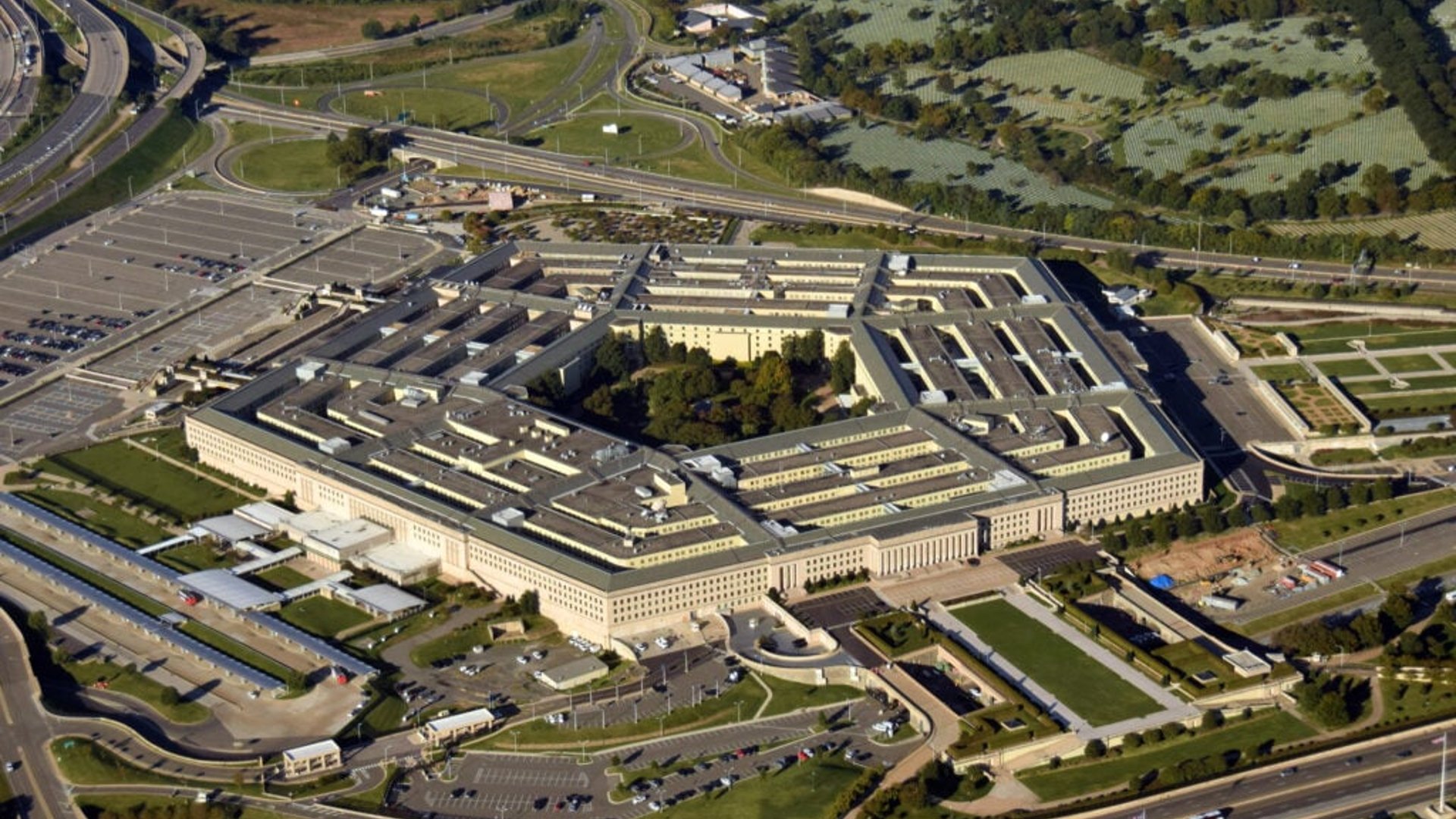
Artificial intelligence is evolving on a timeline measured in weeks, while defense procurement has traditionally moved in years. Xtend AI Robotics, Inc. CEO Aviv Shapira believes that mismatch is becoming one of the Pentagon 's biggest challenges. As AI reshapes modern warfare, he argues the U.S. defense acquisition system must become as adaptable as the technology it is trying to buy.
Shapira credits the Pentagon with recognizing the strategic importance of AI and autonomy, but says the next challenge is ensuring procurement can keep pace with technologies that evolve far faster than traditional defense programs.
"The Pentagon is in the frontline of AI and has made significant progress in adapting to the pace of AI and autonomy, and we're seeing that shift happen in real time," Shapira told Benzinga in an exclusive email interview.
The problem, he said, is that the acquisition system was designed for an era when military hardware remained relevant for years with relatively stable requirements. AI is changing that equation because both the technology and the threats it addresses evolve continuously.
"The challenge now is that AI and autonomy break that mold, as both the technology and the threats it counters can shift significantly within days and weeks instead of months and years, so acquisition must move at the same pace," Shapira said.
According to Shapira, keeping pace with AI will require more than simply accelerating existing procurement processes. It will require rethinking how defense capabilities are acquired and maintained over their lifecycle.
"The next step is making procurement more software-native, with shorter contracting timelines, faster testing and evaluation, stronger pathways from successful prototypes to scaled programs, and acquisition models that support continuous software upgrades," he said.
That vision reflects a broader shift from viewing defense capabilities as static hardware purchases to treating them as software-enabled systems that improve continuously after deployment. While management did not comment on procurement policy beyond XTEND's experience, our inference is that acquisition models built around periodic hardware upgrades may struggle to capture the full value of AI-driven platforms that evolve through frequent software updates.
Gathered from external sources. Rights to this text belong to whoever originally published it.