For global AI governance, the US and China must cooperate while competing
The need for bilateral collaboration on artificial intelligence between Washington and Beijing is urgent. When Anthropic rolled out Fable and Mythos in a limited capacity due to concerns related to hacking incidents, it became clear that leaving AI governance to the private sector was no longer viable. Chinese open-weight models, meanwhile, have rapidly closed the gap…
The need for bilateral collaboration on artificial intelligence between Washington and Beijing is urgent. When Anthropic rolled out Fable and Mythos in a limited capacity due to concerns related to hacking incidents , it became clear that leaving AI governance to the private sector was no longer viable.
Chinese open-weight models, meanwhile, have rapidly closed the gap with U.S. frontier systems. This raises the risk that Chinese versions of the most powerful, leading-edge models such as Fable or Mythos would be freely available to anyone — criminal, terrorist or other extremists — possibly putting the world’s most powerful AI models in the hands of malevolent forces.
The MIT FutureTech AI Risk Repository , created by my colleagues at MIT, has identified 1,725 sources of AI risk led by cybersecurity vulnerabilities and the creation of dangerous AI capabilities, further strengthening the case for global collaboration.
Eighty years ago, the U.S. and the United Kingdom were at the center of the 20th century world order with France, Canada, Australia, Belgium, the Netherlands and Luxembourg playing a supporting role. In the 21st century world order, the U.S. and China will be at the center with many other nations joining the community.
As the leaders of two nations with a global technology advantage, each with massive scale and global footprints, American and Chinese politicians and policymakers will find it necessary to create a new global initiative around AI. Four elements need to be considered in a new global AI architecture.
First, the stability and cooperation of the U.S.-China relationship should start with the recognition that the twin national giants will remain competitors, partners and each other’s customers. In short, these global leaders will have to learn to live together. As is the case with most technology firms, this triple-sided relationship is necessary to reduce risk and increase stability.
The U.S. and China already offer the nations of the world competing digital infrastructures. While each country holds sources of competitive advantage — the U.S. in chip design and China in telecommunications hardware — governance will require a meeting of the minds in terms of export controls and neutral content, limiting surveillance by default. For the continued success of global commerce, the digital infrastructure that ultimately prevails must provide the required security.
The U.S. and China will also need to prioritize the development of standard evaluations of AI models, including pre-release testing to understand what makes such systems work and how they might fail or cause grievous harm in real-world use. Agreement would be required as to whether to include or exclude military and intelligence systems from such standards.
Former national security advisor Jake Sullivan noted recently that U.S.-China technology relations require both competition and cooperation, but private sector AI governance is insufficient.
Finally, the U.S. and China must ensure that steps taken to bolster AI security and trustworthiness will not slow the deployment of new technology. Rather, these goals must be designed so that the nations of the world move with greater speed. Done right, this aim should feed on itself.
As Sullivan wrote , “uncertainty breeds caution.” In the absence of confidence about safety and reliability, enterprises will be reluctant to adopt new capabilities.
In the post-World War II era, the U.S. led the development and implementation of an international order that proved extraordinarily durable and delivered shared growth and prosperity. Now, the launch of Fable and Mythos signals a profound change to this world order. The additional availability of equally powerful open weight models is even more profound.
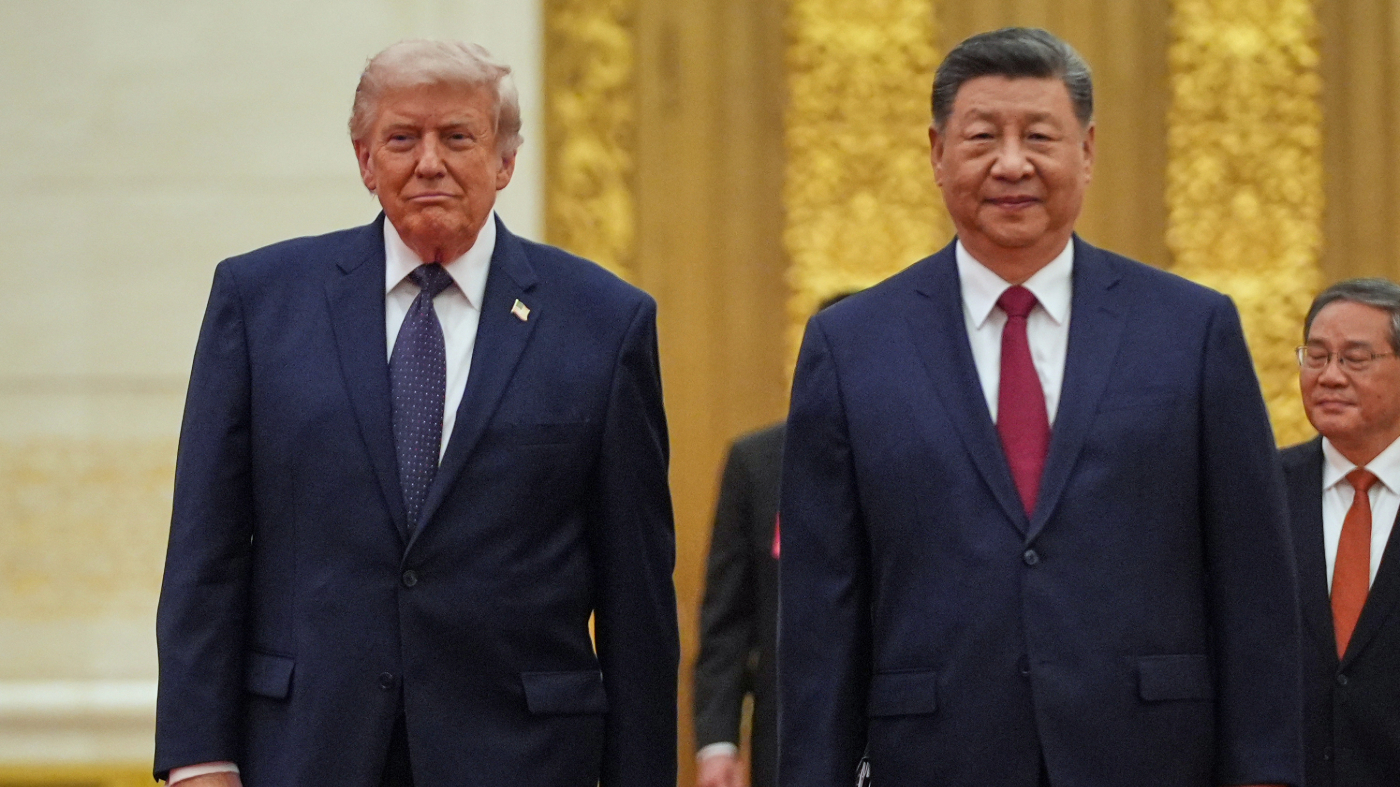
One can only hope that this issue is on the agenda when Presidents Trump and Xi meet on Sept. 24 . In the era ahead, a more fragmented global economy will require new rules of the road, including a new U.S.-Chinese relationship to govern the most powerful technology the world has ever seen.
Topics in this story
Gathered from external sources. Rights to this text belong to whoever originally published it.