3 key takeaways from Bill Gates’ stark warning about AI and jobs
Bill Gates warned in a new essay that a coming robotics boom could reshape construction, hospitality, and the social contract.
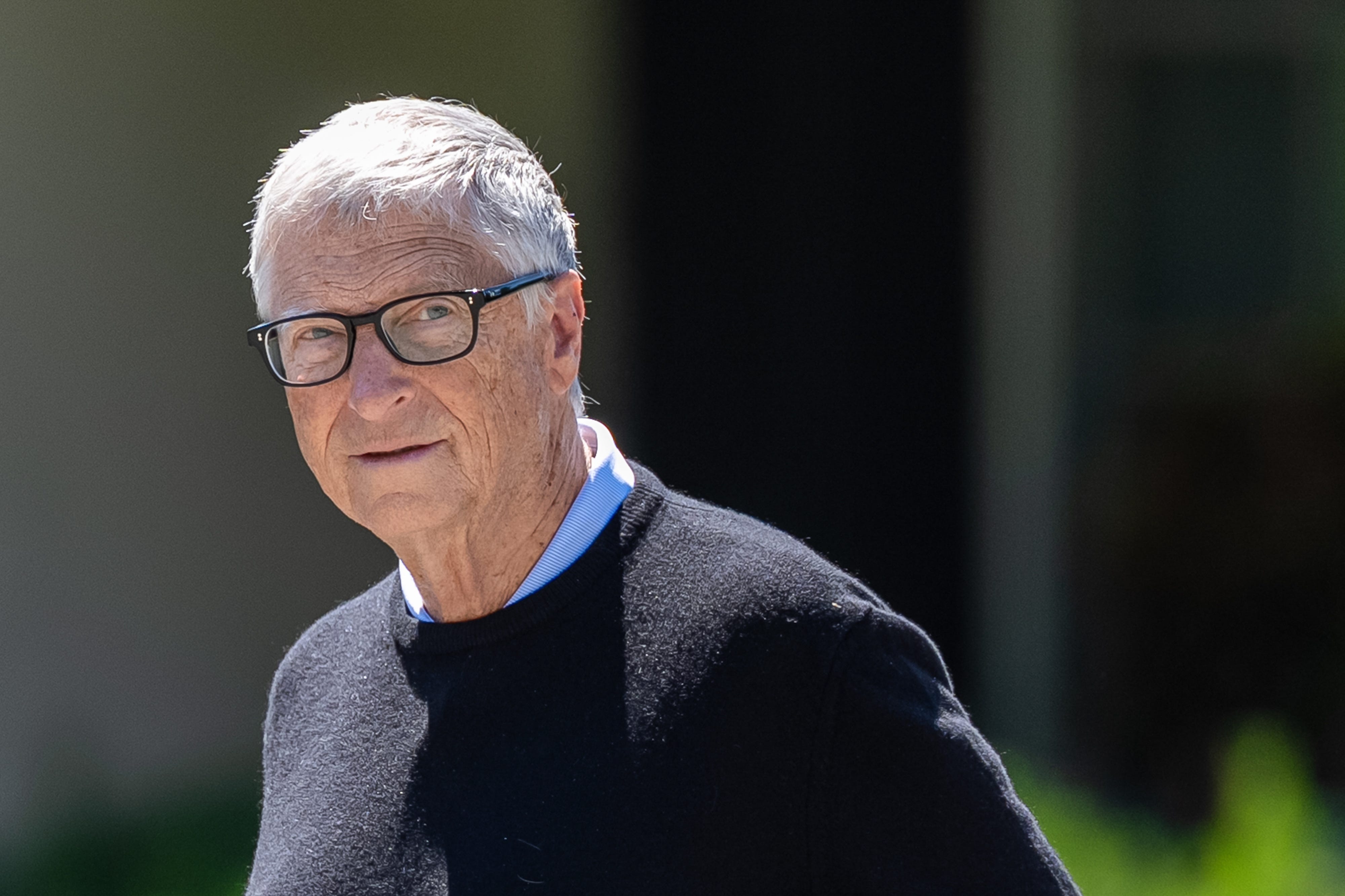
Bill Gates said robots could begin competing with workers in construction and hospitality by the end of the decade.
In a new essay, he said society may need to set aside some jobs for people, calling the idea "Human Reserved."
Gates also said that governments should tax AI tokens and robots to help fund worker support.
Bill Gates has warned that the world needs to do more to prepare for a "turbulent AI era" before workers are "displaced or underemployed."
In a nearly 5,900-word essay published on Wednesday, the Microsoft cofounder said that AI and robotics will eventually reach beyond the white-collar jobs already under pressure from the technology.
"We have to think now about how to reduce job losses so that everyone can share in the prosperity that AI creates," Gates wrote .
He said policymakers should consider protecting certain jobs for humans and taxing automation to help fund retraining and a stronger safety net.
Here are three takeaways from Gates' essay warning about AI and jobs.
1. Robots could bring AI disruption to blue-collar jobs
So far, most of the job fallout from AI has centered on white-collar work , which Gates said is already being hit "modestly." However, blue-collar workers will eventually be affected too, as robots become cheaper and more capable, the billionaire said.
"Many Americans I talk to don't realize how fast dexterous robots are advancing," he wrote.
Despite flashy demonstrations , humanoid robots have not yet been widely adopted in factories or service work because of limitations in their underlying AI systems and a lack of dexterity in their hands.
Gates appeared to hint at that gap in his essay, writing that people may be "confused by those videos of robots dancing badly that have been going viral lately."
Despite this, he said "smart" robots could start competing with people on some physical tasks in construction and hospitality "by the end of the decade."
2. Some jobs could be set aside for humans
Gates said that, as AI and robots improve, society may decide to set aside some work for people only, an idea he calls "Human Reserved."
He gave the example of receiving an incurable disease diagnosis from a robot.
"There's no technical reason why it couldn't," he wrote. "Yet it shouldn't."
Gates's thinking was shaped in part by the care his late father received after developing Alzheimer's disease.
The Microsoft cofounder wrote that paid caregivers understood his father's needs even when he struggled to express them — care Gates said was "irreplaceably human" and that "no robot could or should have done."
Topics in this story
Gathered from external sources. Rights to this text belong to whoever originally published it.