The AI data center e-waste problem is huge — and getting bigger
AI is leading to far more e-waste than previously estimated, a new report warns.
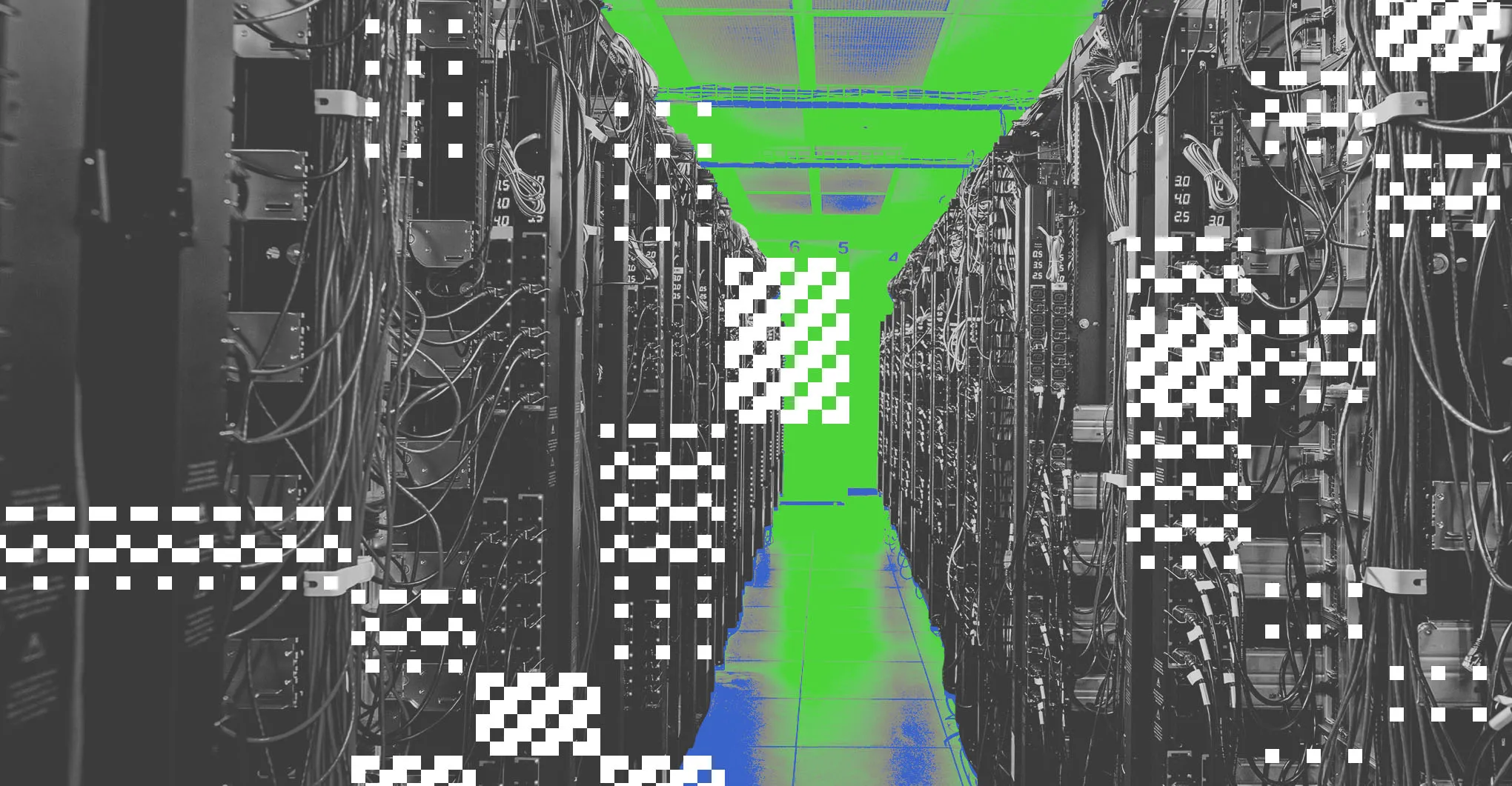
E-waste from the AI boom has been vastly underestimated, a new report warns. By 2050, it could become enough trash to fill 23 million shipping containers — roughly enough 40-foot containers to circle the world six times if lined up in a row. It’s a significantly higher estimate of AI’s e-waste than previous studies have found because the authors of the new report factor in all the infrastructure needed to support servers in data centers. The broader scope provides a clearer picture of junk AI leaves behind, according to the nonprofit Basel Action Network (BAN), which published the paper today. ”AI may feel weightless, but every model depends on an enormous amount of highly specialized, cutting edge hardware,” Jim Puckett, founder and chief of strategic direction at BAN, says in a press release. “If companies and governments do not begin planning for this new waste tsunami, today’s AI buildout could become an even more cataclysmic toxic waste crisis than we are already experiencing.” Less than a quarter of the 68.3 million tons of e-waste created each year worldwide is formally collected and recycled. Most e-waste is ultimately dumped into shadowy “informal” waste collection where burning or burying equipment can expose workers and the local environment to toxic materials like lead and chromium. The US, with far more data centers than any other country, has yet to ratify the Basel Convention established to limit the international trade of hazardous wastes. US recyclers still ship e-waste abroad, investigations have found, where it often slips into “backyard recycling.” Millions of children forced to work or live nearby face health threats from that informal recycling, according to the World Health Organization. BAN predicts e-waste generated globally will triple in amount to up to 211 million metric tons a year by 2050. It attributes about 15 to 20 percent of that garbage to AI. Unlike previous AI e-waste estimates that focused on servers and GPUs, BAN expands its count to include other categories of equipment: power supply and distribution, cooling systems, backup power, and networking equipment. Notably, BAN also counts what it calls “AI Waste Contagion” — a wide-ranging category that incorporates everything from telecommunications infrastructure to personal devices likely to become obsolete and replaced earlier as a result of advances in AI. Counting it all up, BAN expects 70,000 metric tons of e-waste per gigawatt of data center capacity. It cites a McKinsey projection of total data center capacity reaching up to 219GW by 2030. Considering AI-related electronic equipment retired between 2025 and 2050, BAN concludes that’ll add up to between 395 to 617 million metric tons of e-waste by the middle of the century. It breaks down to about 8.6 million to 13.1 million metric tons of equipment retired each year as a result of AI. Previous estimates of AI’s e-waste have been more conservative. But by focusing on servers and accelerators, past studies miss about 87 percent of a data center’s electro-mechanical infrastructure, according to BAN. A separate study published in 2024 predicted that e-waste from AI could reach between 1.2 million and 5 million tons by 2030. Another study published in February found that AI servers could create between 131,000 and 225,000 tons of e-waste annually by the end of the decade — an amount that’s still comparable to all the e-waste produced by a country the size of Denmark.
Topics in this story
Gathered from external sources. Rights to this text belong to whoever originally published it.