Your boss, tech companies and police can read your chatbot conversations
Americans ask AI chatbots about almost everything, from health to relationships to big existential questions. While those conversations might feel enlighteni...
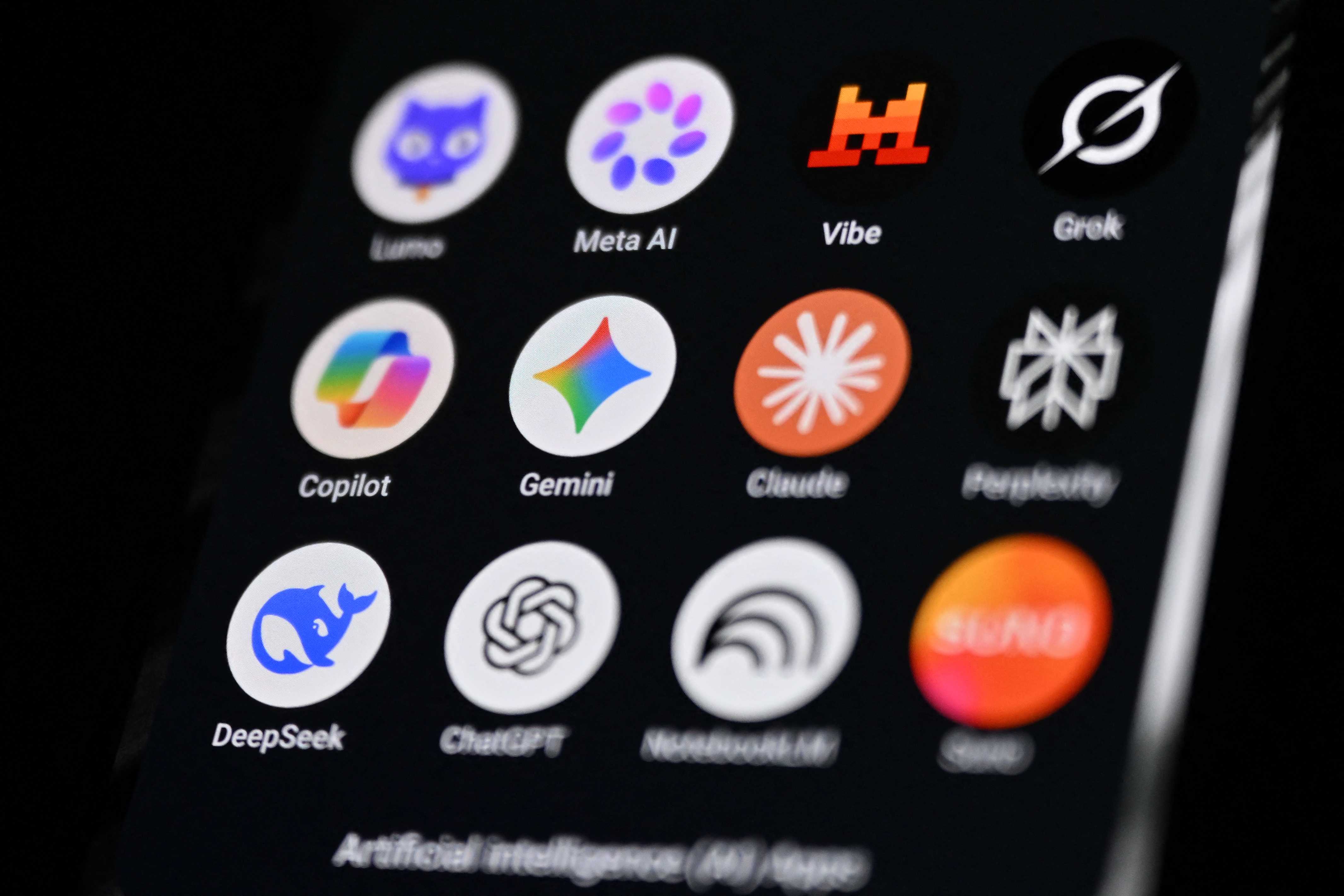
Americans ask AI chatbots about almost everything, from health to relationships to big existential questions. While those conversations might feel enlightening or intimate, they are not always one thing: private.
A Washington Post review of public records and local news stories found a dozen instances of chatbot transcripts being cited in the public record in court cases over the past two years. In many cases, the transcripts were unearthed from users' devices when searched by a police officer or an opposing party during the evidence-gathering stage of a civil case. In a handful of instances, AI companies have reported disturbing content on their platforms to law enforcement.
"Unless you are having a chat with a service that has a temporary chat or, basically, an incognito version ... [and] you're also having it within a browser that's not tracking you, the answer is no. You can't be sure that it'll be totally private," said Jen King, a privacy researcher at the Stanford Institute for Human-Centered Artificial Intelligence.
Here's what to know about the privacy of your chatbot conversations.
When you use an AI chatbot, such as Claude or ChatGPT, your message is sent to a data center or other company server that processes your query and returns a response. If you're logged into an account, you can go back to your phone or computer later to view your chat history.
In court cases reviewed by The Post, chatbot transcripts were often retrieved from searches of users' devices. In one case, a Missouri man agreed to let an officer search his phone without a warrant, according to police records. In another in Michigan, a defendant's lawyer volunteered a search of his client's devices as a show of transparency, according to court records.
If you delete a conversation from your account, both OpenAI and Anthropic - the makers of ChatGPT and Claude, respectively - say they will delete it from their internal servers within 30 days in most cases. (The Post has a content partnership with OpenAI.)
Exactly how long chatbot companies retain your queries on their servers depends on the type of account you use. On regular, personal accounts, OpenAI will keep your chats until you delete them. The company also offers temporary chats that are automatically deleted within 30 days. (Anthropic, likewise, calls them "incognito chats.") But there are exceptions; OpenAI says it may retain deleted data, including temporary chats, if your account has been banned for violating its policies or if the company is legally required to do so.
Topics in this story
Gathered from external sources. Rights to this text belong to whoever originally published it.