Why is European money financing the American AI boom?
Eurozone households have hundreds of billions of euros invested in US technology. Analysts say Europe has the money and promising companies, but too few beco...
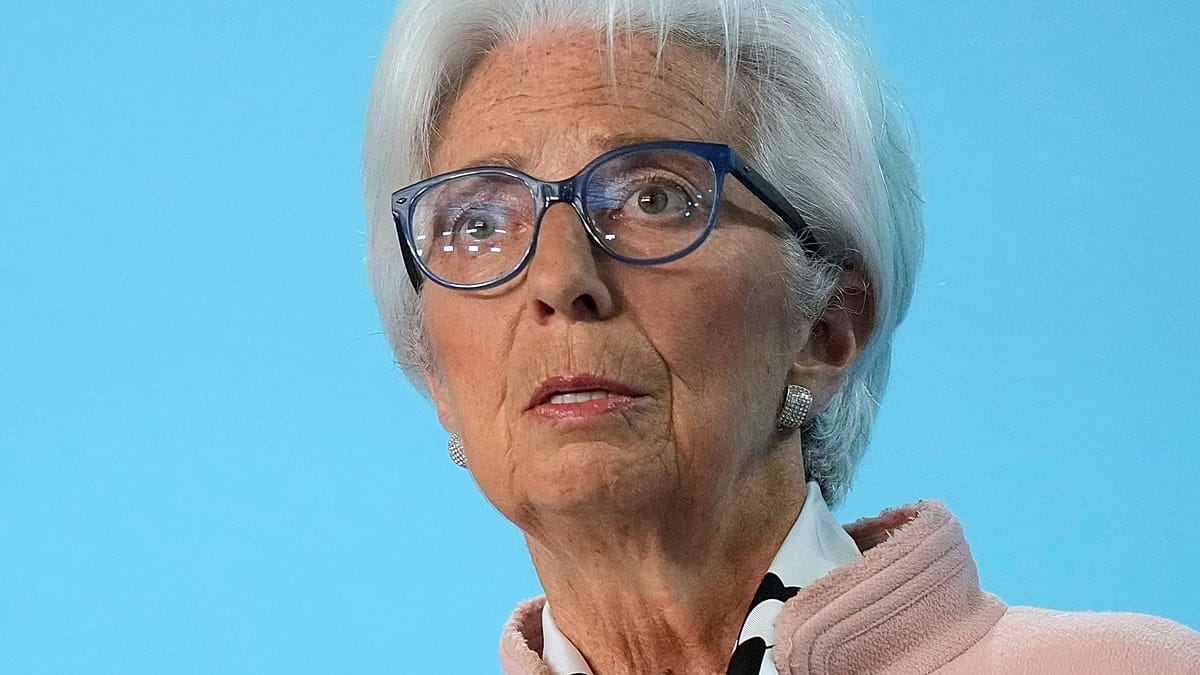
European savings are increasingly exposed to—and helping finance—the expansion of artificial intelligence in the United States.
Eurozone households hold around €440 billion in US technology companies, including Nvidia and Alphabet, according to European Central Bank President Christine Lagarde.
Speaking in Vienna on Monday, Lagarde warned that European savings risk paying for the US AI boom without Europe receiving a comparable share of the economic benefits.
"The companies are being built elsewhere," she said. "Last year the United States produced 59 notable AI models, and China produced 35. France and the United Kingdom produced one each."
Europe does not lack money. The problem is getting more of it to companies that can grow.
Eurozone households held nearly €10 trillion in bank deposits as of May 2026, according to a new ECB analysis published on Tuesday. They keep around one-third of their financial assets in deposits, compared with 11% among US households. Around 80% of eurozone households own no shares, bonds or investment funds.
The ECB found that limited resources, knowledge gaps, low levels of trust and concerns about risk discourage many Europeans from investing. More than 60% of eurozone households held most of their wealth in property, while around a quarter relied mainly on bank deposits. About 10% invested indirectly through pension and insurance products, while just 4% held a substantial share of their wealth directly in financial markets.
Those in Europe who want exposure to AI frequently invest in American technology companies, often through investment funds and pensions.
Is investing in US technology necessarily a problem?
Jeremie Peloso, chief strategist for Europe at BCA Research, told Euronews Business that investing in US technology was not necessarily a problem for European households. "US tech has been outperforming European indices for the past 10 years," he said, adding that international investments can help savers spread their risks.
He also said that a weaker euro has sometimes increased the returns made by euro-based investors on dollar-denominated assets, he added.
However, he warned that the US technology sector had become highly concentrated, leaving investors exposed to a relatively small group of companies affected by many of the same market forces.
Ben Barringer, head of technology research at Quilter Cheviot, said European capital had moved abroad because many of the world's leading technology companies had been built and expanded outside Europe, offering stronger growth prospects and investment returns.
Topics in this story
Gathered from external sources. Rights to this text belong to whoever originally published it.