Big Ten Addresses Controversial Clock Ruling in WMU's Loss to Michigan, MAC Commish Reacts
The Big Ten defended the controversial decision to put one more second on the clock before Bryce Underwood's game-winning touchdown pass in Michigan's 13-12 victory over Western Michigan.
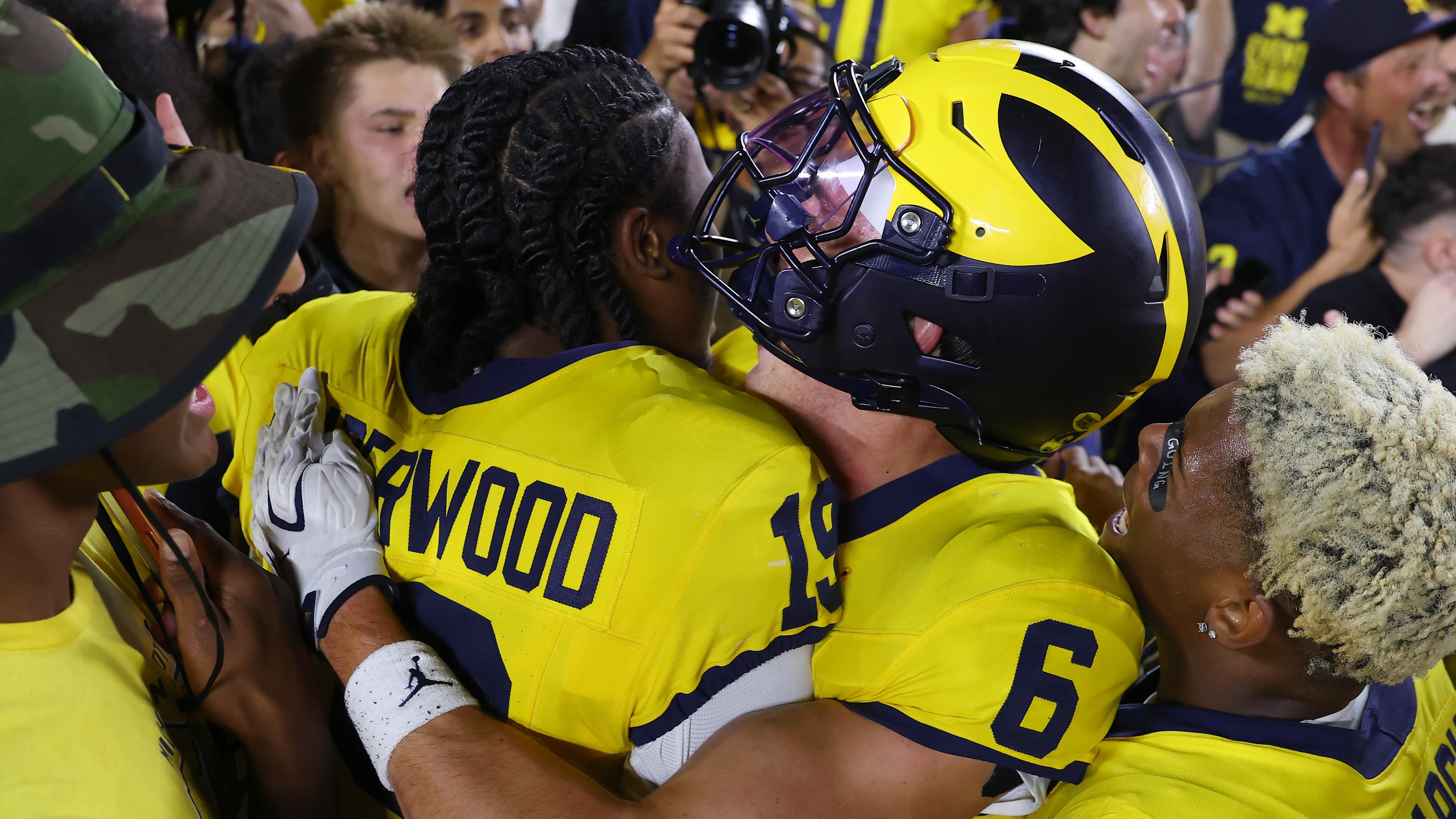
The Big Ten defended the controversial decision to put one more second on the clock before Bryce Underwood's game-winning touchdown pass in Michigan's 13-12 victory over Western Michigan.
"It was determined Western Michigan No. 18 started his jump from an established out-of-bounds position (left foot) and made contact with the ball with one second remaining on the clock," the conference said, per the Associated Press' Larry Lage .
In the accompanying video from the Big Ten, Western Michigan safety Micah Davis is the first player to touch the ball with one second remaining on the internal clock:
MAC commissioner Jon Steinbrecher addressed the situation as well. He said he reached out to the Big Ten, which "provided video and audio of the replay, which confirmed the explanation provided to us."
The clock seemingly expired as Underwood's Hail Mary heave fell incomplete. However, the referees reviewed the play and added one second to the clock. With another chance, Underwood hit JJ Buchanan in the end zone on the final play.
The Big Ten's official statement still raises some questions because there's a clear discrepancy between the clock that was used for the NBC broadcast and the one used by the Big Ten. On the television feed, time had expired before any player touched the ball.
Preceding the MAC's formal response, Western Michigan president Russ Kavalhuna said the school intended to exhaust whatever options it had.
"We'll talk to our commissioner, and we'll try to see if there's anything we can ask for a review on," he told reporters . "Frankly, I don't know if we can. I just want everyone to know this football team deserves a second look if that's possible."
The Big Ten's statement was seeming the final word on the matter. The result isn't going to be overturned, and the conference didn't find the replay officials in error with their ruling.
The history of college football is littered with games remembered by controversial calls or refereeing mistakes . What transpired in Ann Arbor is likely to enter that category.
Topics in this story
Gathered from external sources. Rights to this text belong to whoever originally published it.