Each Power Four conference adopts policy to ban pro football players from joining their respective conferences
The Big Ten made the first move on Tuesday, and the SEC followed suit. Next was the Big 12, and the ACC eventually went the same route.
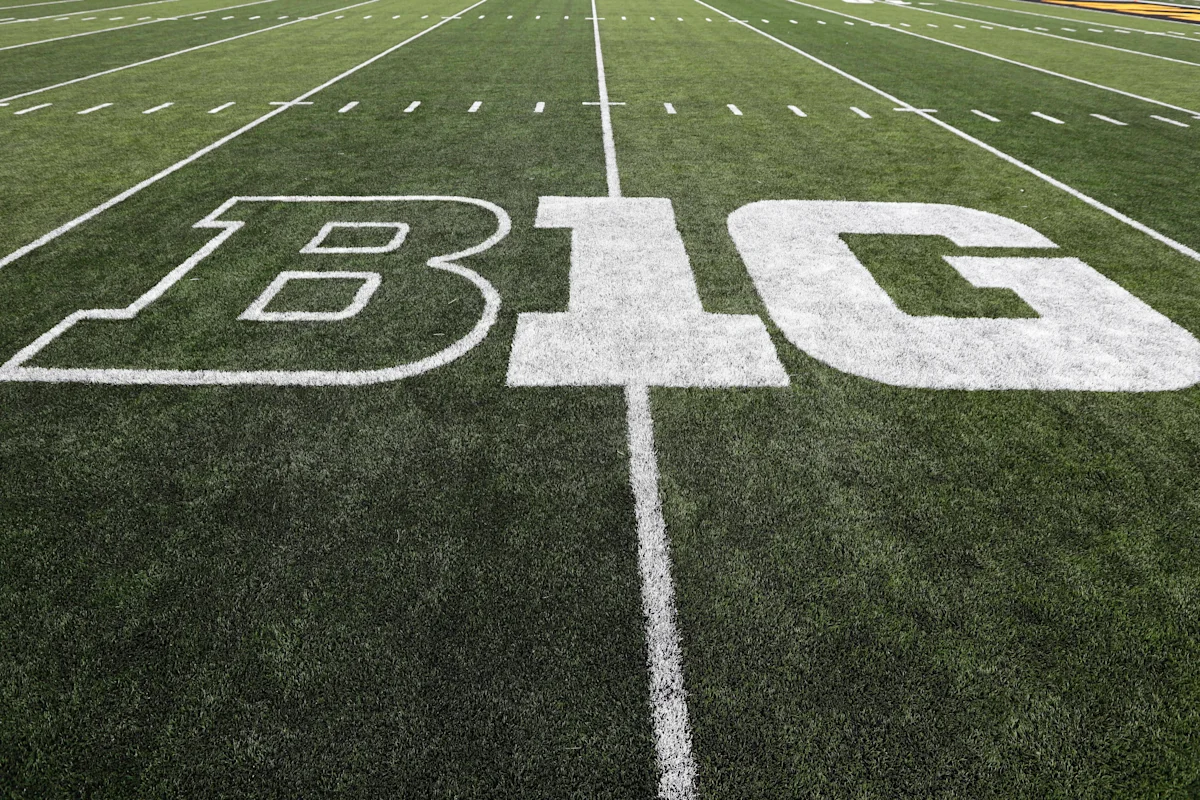
Each of the Power Four conferences have banned pro football players from joining their respective leagues.
The ACC was the last of the group to adopt policy prohibiting that kind of comeback, which has gained sudden popularity as several members of the 2022 high school class eyeing a fifth year of eligibility have turned to the courts to challenge a new NCAA eligibility model that excludes them.
The Big Ten got the ball rolling on Tuesday , officially making football players ineligible if they signed pro contracts, appeared on an NFL roster or declared for the NFL Draft as underclassmen and didn't withdraw.
"The conference continues to evaluate potential rules restricting professional athletes in other sports from conference competition," the league said in a statement, in part.
The Big Ten later announced the penalties for violating the rule: a coach suspension of 50% of the season and an institutional fine .
Then on Tuesday afternoon, the SEC followed suit. The conference announced a similar policy but for both football and basketball.
Notre Dame officials have told the Big Ten and SEC that the school will also follow a policy of that ilk.
On Wednesday, the Big 12 passed a policy that bars athletes from competing in all sports.
The ACC's policy uses language akin to the SEC's, forbidding pro football and basketball defectors.
"The Board's action reflects the ACC's commitment to preserving college sports as an opportunity for college students that is clearly distinct from professional sports, protecting opportunities for current and future student-athletes and promoting competitive equity," the ACC said in a statement.
It wasn't just power conferences acting either, as the Mountain West announced the same policy hours after the ACC .
The flurry of discussions comes after the reports that former Cleveland Browns tight end Dae'Quan Wright and former New Orleans Saints defensive tackle Zxavian Harris are leaving the pro ranks to play for LSU . Both Wright and Harris played for Tigers head coach Lane Kiffin at Ole Miss.
Kiffin defended courting pro players on Monday during a press conference while being careful not to confirm any new signings, saying, "[They're] either going to play for you or they're going to play for someone else around the country."
On Monday, SEC presidents met virtually to support opposition to professional players coming back to play in college.
"College athletes, not former professional athletes, have been at the heart of the Southeastern Conference. Individuals who choose to leave college athletics, sign professional playing contracts, and compete professionally should not then be permitted to return to college competition," read part of the SEC's statement.
With Tuesday's decision, SEC schools are no longer allowed to have such athletes on their rosters for football or basketball. SEC commissioner Greg Sankey was granted "full and unlimited authority," which includes suspending a school from competition, according to Yahoo Sports' Ross Dellenger .
With the power conferences all opting for guardrails to shield the integrity of college athletics, they could be subject to additional legal action. And, so, the leagues themselves may soon be at the center of new lawsuits — instead of the NCAA.
Dellenger highlighted that possibility in a post on X earlier this week:
"Important to note that league-wide rules do not absolve a conference from legal challenges," Dellenger wrote on Tuesday . "In fact, conferences will likely now be sued by athletes as defendants in separate lawsuits or added as defendants in existing lawsuits, many times in front of the same judges."
If conferences' hands are tied, and they can't even enforce the policies they've put forth, the conference commissioners and/or their presidents will have to figure out how they'd go about sanctioning schools directly for playing an athlete who's ineligible under these new parameters, per Dellenger .
Gathered from external sources. Rights to this text belong to whoever originally published it.