Sponsorship: Is Anybody Going To Front Up?
With the club without a front of shirt deal, Roker Report asks whether anybody is going to step forward and sponsor the Cats…
The first international break of a new season is often a good time to sit back and take stock of how things are shaping up.
At Sunderland things are shaping up pretty well – the new players appear to be settling in and performances have been encouraging, yet there is something out there on the pitch that doesn't look quite as it should, and whilst it doesn't have a direct impact on results, the long-term consequences would still be best avoided.
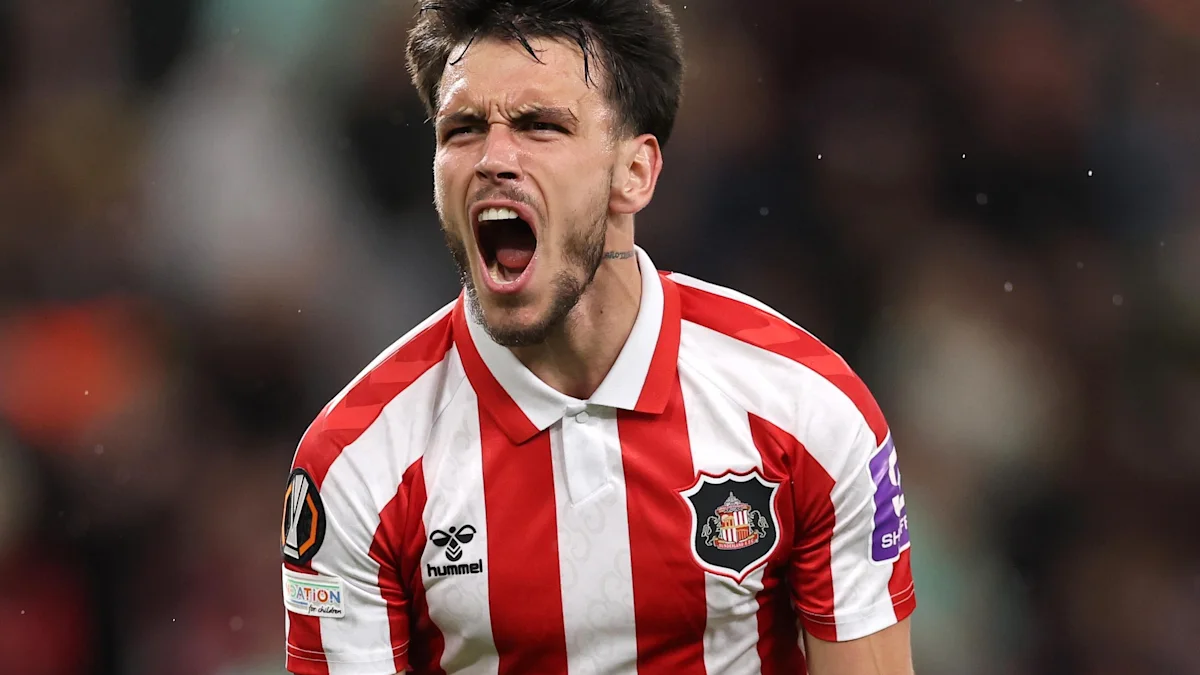
For the first time since 1983-84 Sunderland do not have a front of shirt sponsor and whilst that might not be an issue for the traditionalists it is peculiar that a club trying to maximise revenue so that it can compete at the top has allowed itself to so far miss out on a potentially massive source of income.
The 2026-27 kit designs look good enough as they are without having to carry cluttered logos and this might prove to be a boost in terms of retail sales at least, but advertising remains one of the biggest money makers in football and not having a 'major partner' leaves a big gap to fill on the balance sheet.
This is of course a lot more palatable to the supporters than having to stomach the sight of the Lads or Lasses running out and legitimising some sort of dubious organisation or group. In the summer when there were strong rumours that Visit Ghana was to link up with Sunderland, there were legitimate concerns raised about what message that would send to members of the fanbase and the wider world.
Whilst it is not known exactly why that deal fell through it would be nice to think that the delay in now selecting a replacement is in part due to the hierarchy becoming more circumspect in their negotiations.
The big problem however is that morals and sticking to a social conscious doesn't always help pay the bills. There has always been an uneasy relationship between sponsorship and sport, a necessarily evil if you will, but one that fans can overlook if it doesn't get too awkward.
Acting as walking billboards just because you want to show your colours can feel somewhat exploitive at the best of times, but given the global nature of the Premier League and Football League, plus the current economic climate, we aren't even promoting local or national brands anymore. Pushing unconnected services, or industries that can be damaging to society, is disagreeable to many, yet it is a difficult square to circle because there are few 'acceptable' firms out there that can afford to join the party.
Had something with Visit Ghan a been signed off Sunderland were set to bank a record price. Now that is off the table the pool of suitably monied options is even smaller, especially so since gambling groups are no longer authorised on the front of shirts, and that makes filling the vacation even harder.
It is easy for me to insist that the club balances image with income, but actually achieving that does not appear straightforward given the constraints. For instance, on a purely personal note, I was disappointed that a crypto casino had been brought in as sleeve sponsor, but then nearly a third of all Premier League clubs have such arrangements so it must be hard for the executives to turn their noses up at the cash being put down.
On that note, banning gambling from the front of shirts but still allowing it on sleeves does seem ill-conceived to me anyway, but its presence in any form is another anomaly in the bigger debate – who is the arbiter in what type of business model is deemed acceptable or ethical in the first place?
There will be a line somewhere, but it may shift from person to person, and, if we are being honest, could move again depending on the results the players wearing the branding are producing, which are often the biggest determinator in some peoples minds as to whether a revenue stream is tolerable.
From a business point of view, it is understandable why you would want to get into bed with SAFC right now. High profile games, such as a Saturday night prime time fixture with reigning champions Arsenal , or a hugely anticipated return to European action, bring lots of attention to Wearside and with it plenty of possible customers.
UEFA rules might complicate discussions as their own rules on who or what can be worn on a strip are fairly strict, but in theory the Lads are the more marketable than ever. There have been enough smaller relationships struck up lately to support that to, so it is not as if the commercial representatives have been sat on their hands doing nothing.
In August there was a suggestion that Nissan had become an official club partner, although they are not currently listed as one on the official website, but Seriös Group have definitely agreed to a new multi-year agreement whilst P1 Travel came on board recently too.
The Lasses have also secured some backing of late, as this month Elliott James (EJ Legal) was announced as the new back of shorts sponsor for 2026-27, going alongside Everyone Active, a regular collaborator, who are now their 'Official Training Wear Partner'. It is the search for a main tie up that appears to have cooled down though, so when it happens, and who it is with, is intriguing.
We are led to believe that discussions are ongoing behind the scenes, and that the club is still expecting any deal to have a high valuation; it is promising that Sunderland does not want to sell itself short, but there is little else to go on for the time being.
As with transfers, there are few rumours emanating from the Stadium of Light, but then again recruitment been a strong point for some time now and is setting the standard that all other aspects of the club are being judged by.
If that is to remain the case, and Florent Ghisolfi is to have the spending power needed going forward, the kitty could do with the extra boost a front of shirt partner would bring, and for that reason alone the sooner something is confirmed the better.
Topics in this story
Gathered from external sources. Rights to this text belong to whoever originally published it.