From 12,000 players assessed to 14 selected for Azerbaijan, how India are building a scouting network to find their next generation of football talent
India's search for the next generation of football talent has taken a step forward, with the country's U-15 team continuing its winning run at the
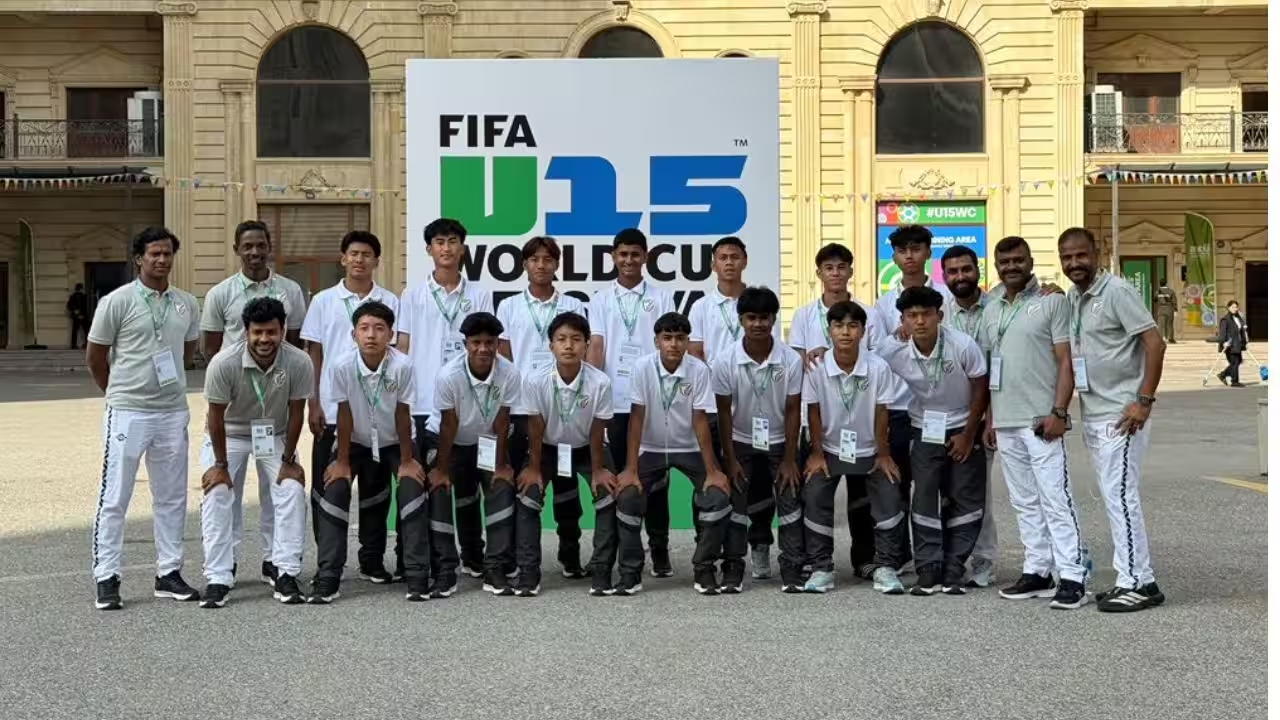
India's search for the next generation of football talent has taken a step forward, with the country's U-15 team continuing its winning run at the inaugural FIFA U-15 World Cup & Festival Azerbaijan 2026. The Blue Colts beat Cameroon 2-1 in their second Group K match in Baku on Sunday, but the result is also part of a much bigger effort to identify and develop young footballers across the country.Over the past two years, the All India Football Federation (AIFF) has assessed more than 12,000 players from across India as it looks to identify promising talent and prepare them for the future. The initiative was originally designed to find players born in 2011 and 2012 and develop them through AIFF-FIFA talent academies. The launch of the FIFA U-15 World Cup & Festival has given that effort a wider purpose.India have selected 14 players for the tournament in Azerbaijan, but the programme extends well beyond the squad. Many other young footballers have been tracked as part of an effort to build a pipeline of talent for Indian football.The team made a strong start against Cameroon on Sunday. Deepak Singh Arambam's corner in the first minute caused confusion inside the opposition box, with Fareil Ngobo attempting a headed clearance that sent the ball into his own net to give India the lead.Cameroon drew level through an own goal by Muhammad Sohil Khan in the 20th minute at the Hovsan Competition Complex Pitch 1B. India regained the lead in the 27th minute through R Lalremruatfela, while goalkeeper Jenit Ningthoujam made several saves, including stopping a penalty, to help secure the victory.India are now the only team in Group K to have won both their matches so far. Despite the rainy conditions, they managed the closing stages well, held their shape and saw out the game for a second successive win.India will face Grenada later on Sunday before concluding the qualification stage against Bahrain and Senegal on October 26. Their results across the five matches will determine which performance tier they enter in the second phase.Behind this team is a scouting operation led by Bibiano Fernandes, a former India international who earned one cap for the senior national team. Now 49, Fernandes has moved into coaching and is in charge of India's U-15 side.Finding the right players in a country of 1.4 billion people is a task no single coach can manage alone. The AIFF has built a network of 60 talent scouts across different states and regions, who monitor more than 20 football competitions and leagues to identify young players with potential.“These scouts cover youth and school competitions, as well as private tournaments involving academies. They identify talented players, particularly in the U-14 and U-15 age groups, and add them to our database. When they spot someone with real promise, they keep tracking their progress,” Fernandes told Inside FIFA.The process does not end when a player catches a scout's attention. Those identified are assessed over time before a smaller group is invited to camps and trials. Players from Indian Super League club academies also participate, allowing the coaching staff to compare youngsters who have developed in different football environments.This work has helped the coaching staff select the 14 players representing India at the FIFA U-15 World Cup & Festival. Their choices were based on more than technical ability, with discipline and the willingness to give their best on the pitch also considered.“Discipline was one of the most important criteria. We were looking for players who would give their all on the pitch. We also assessed their footballing qualities, including their technique, communication and understanding of the game,” said Fernandes.For the 14 players in Azerbaijan, the tournament is an opportunity to test themselves against young footballers from other countries. For the coaching staff, it is also a chance to assess how this generation compares with its international peers and identify the areas in which the players need to improve.Get the latest Sports News and Live updates. Download the TOI app.
Topics in this story
Gathered from external sources. Rights to this text belong to whoever originally published it.