At least 25% of ex-NFL players who died from 2016-2021 had CTE, according to new study; NFLPA says findings should be 'a call to action across the entire football ecosystem'
The study used brain samples from the UNITE Brain Bank at Boston University.
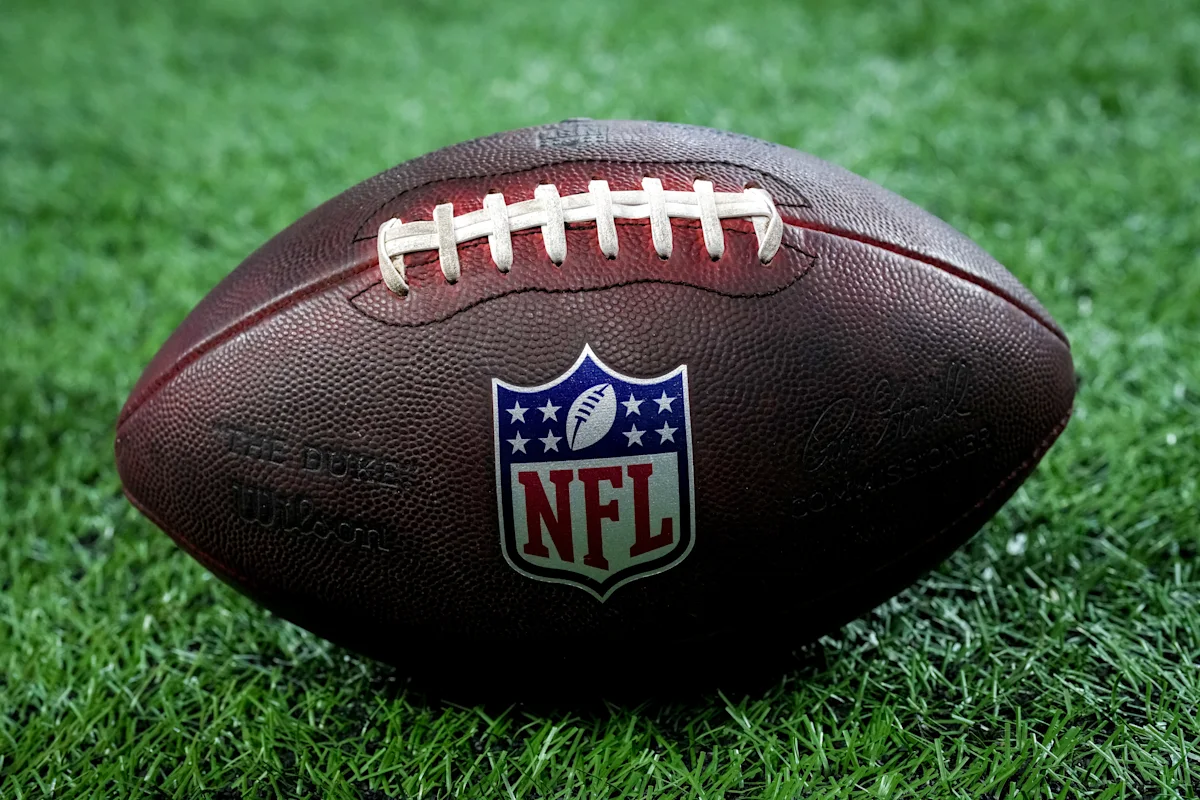
A new study of NFL players who had played in at least one of the league's games and died between 2016-2021 showed at least 25% of them had CTE.
The study from researchers at Mass General Brigham — published Tuesday in The British Medical Journal — deepens the link between the head impacts NFL players suffer and chronic traumatic encephalopathy, the degenerative brain disease known as CTE.
"We've known that this disease process can be caused by, in part, repeated traumatic brain injury. But we didn't know how common it was," said Dr. Daniel Daneshvar, lead author of the study, according to NPR .
The study used brain samples from the UNITE Brain Bank at Boston University, where the brains of more than 330 players who died from 2008-2021 have been donated. Researchers tested the brains of 235 of the 878 players who died from 2016-2021 for CTE. They found the disease in 215 of them.
Mood swings, memory loss and confusion are among the symptoms of CTE.
The NFL "continuously strives to make the game of football safer, including by implementing strategies to reduce concussions and head impacts," the league said in a statement to NPR.
"The NFL remains committed to ensuring that the NFL community has access to a robust — and expanding — set of resources to enhance their physical and mental wellbeing. We encourage former players to utilize these resources to identify and seek treatment when they are concerned about their health."
In response to the study's release, the NFL Players Association, according to Pro Football Talk's Mike Florio , sent its membership an email Tuesday acknowledging the data:
"These findings should serve as a call to action across the entire football ecosystem. We all share a responsibility to advance research, improve access to care, develop better treatments, and support those affected by the long-term impacts of the game. While we have learned a great deal over the past two decades, there is more work to do."
The study's authors said the 25% estimate is likely low, not accounting for deceased players whose brains were not tested.
Topics in this story
Gathered from external sources. Rights to this text belong to whoever originally published it.