New studies indicate possibility of detecting CTE through blood tests, paving way to test for disease in living patients
Currently, CTE can only be detected after someone has died.
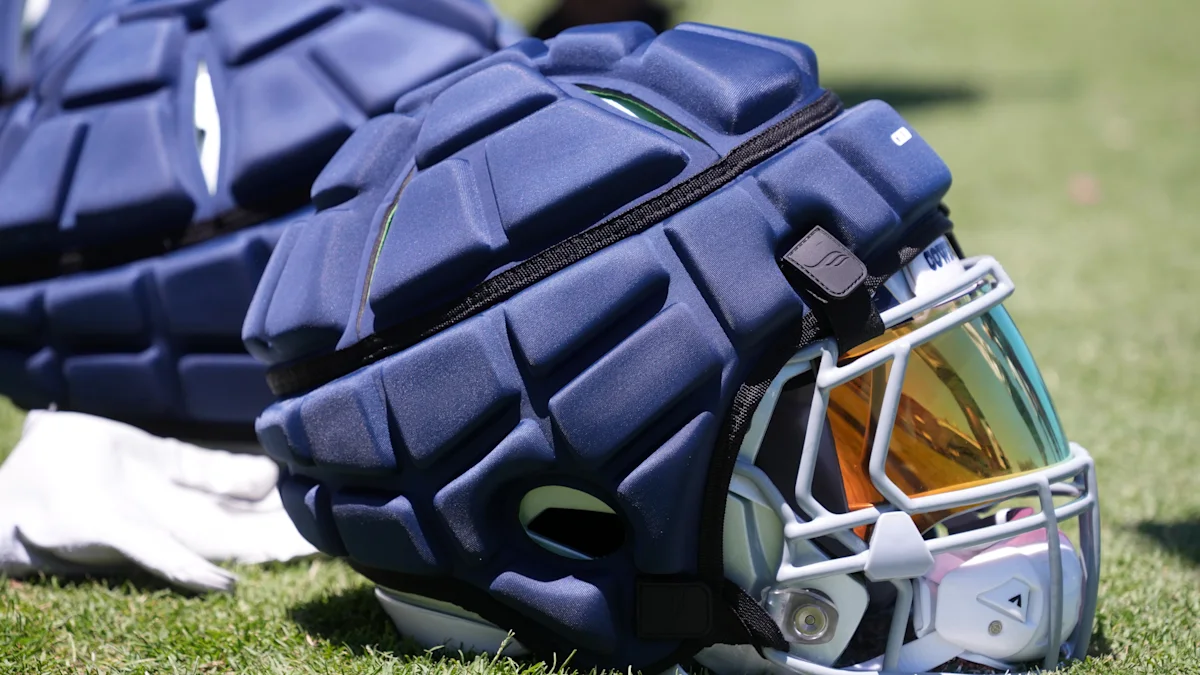
With organizations like the NFL and NHL grappling with the prevalence of chronic traumatic encephalopathy (CTE) in former athletes, two new studies may offer a pathway toward overcoming one of the biggest obstacles of the disease: diagnosis.
As of now, CTE can be diagnosed only after death , through direct study and dissection of the brain. However, two studies published this week in the Journal of the American Medical Association (JAMA) both point to the possibility of detecting CTE through blood tests.
The first study was published by a research group with the Washington University School of Medicine on Nov. 13; the second , from researchers at Boston University and Banner Health, was published Thursday. Both indicate the presence of biomarkers in the blood that correlate with the presence of CTE.
The Boston University study was conducted in conjunction with the university's CTE Center, which has been at the forefront of researching the impacts of sports and head injuries on the development of CTE. Families of dozens of former NFL and NHL players have had their brains donated to the center for diagnosis and study; more than 100 former NFL players have been posthumously diagnosed with the disease.
While the Washington University study was more general in its relation to CTE, giving it a much larger sample size (229 participants), the BU research focused on the development of CTE in former football players. The study analyzed 21 former players who had previously completed a blood draw before their death and brain donation. Eighteen were found to have CTE, with 16 diagnosed with high-stage CTE; concentrations of the relevant biomarker were higher in the individuals with high-level CTE.
Michael Alosco, the co-director of clinical research at the CTE Center and a co-author of the study, told ESPN that the test was a "game changer" to potentially diagnose CTE in living athletes and patients, though the test appears to only be effective in identifying advanced CTE.
"I'm cautiously optimistic that we can really understand this finding and move it forward in the next five years or so," Alosco said.
In August, a recent study of former players' brains found that at least 25% of them had developed CTE. By October, a different study authored by many of the same researchers indicated that the number was more like 75% after adjusting for selection bias.
At the time of the August study, the NFL issued a statement saying that it encourages players to utilize league resources to address their mental and physical health concerns.
"The NFL remains committed to ensuring that the NFL community has access to a robust — and expanding — set of resources to enhance their physical and mental wellbeing," the league said.
Boston University's CTE Center appears to be working on multiple methods for detecting CTE in the living: In August, former NFL quarterback Matt Hasselbeck told the Associated Press that he had undergone a series of tests at the university, including a blood draw, cognitive testing and imaging, including an MRI and a PET scan, on his brain.
The families of multiple former NFL and NHL players over the past year have donated brains to labs like the CTE Center, including former lineman Aldon Smith and NHL great Claude Lemieux . Other players, like 24-year-old former defensive end Marshawn Kneeland and Chicago Bears Hall of Famer Steve McMichael were officially diagnosed with CTE after their deaths.
Topics in this story
Gathered from external sources. Rights to this text belong to whoever originally published it.