Marshawn Lynch's agent doubted his $10,000 Beast Mode gamble, years later the NFL star turned a simple hoodie idea into a seven-figure business empire
Marshawn Lynch was known for breaking tackles and running through defenders, but he was also thinking about life beyond football.
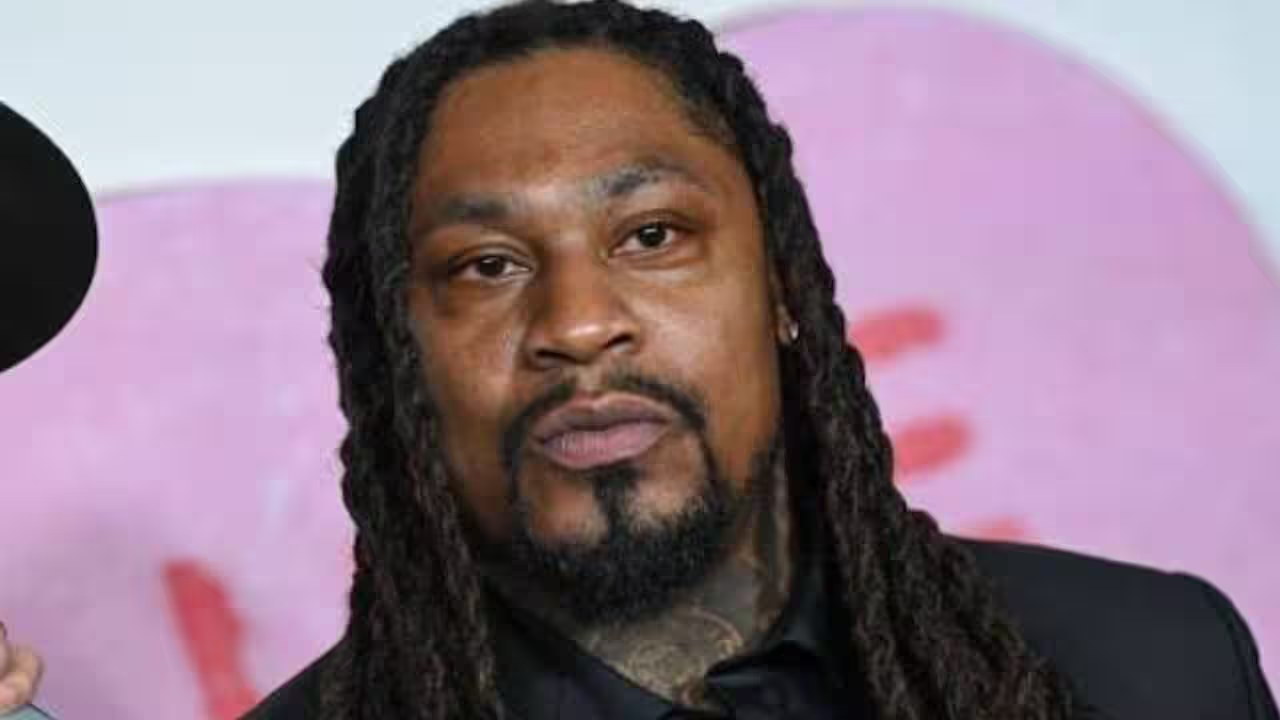
Marshawn Lynch was known for breaking tackles and running through defenders, but he was also thinking about life beyond football. While playing in the NFL, he took a nickname that fans already connected with him and turned it into a clothing business. His agent initially questioned whether spending $10,000 to protect the name was a wise move. Years later, Beast Mode had become a seven-figure brand, with its own stores and major retail partnerships.How did Marshawn Lynch build the Beast Mode brand while playing in the NFL?The idea behind Beast Mode came from the way people spoke about Lynch on the football field. His powerful runs and fearless style made the nickname a natural fit, and he soon realised that it could mean something beyond his performances for the Seattle Seahawks. Rather than allowing other companies to use the name and sell products without his permission, he decided to protect it.Lynch filed to trademark Beast Mode in December 2008, during his early years in the NFL. His agent, Doug Hendrickson, was not immediately convinced. At the time, Lynch was a young player, and spending around $10,000 to protect a phrase seemed like a risk when there was no guarantee that it would become a successful business.Hendrickson later shared his reaction during a 2016 interview with Sports Business Journal. He recalled Lynch telling him that he wanted to trademark the name, before explaining his own doubts: “I’m thinking to myself, ‘Alright, so it’s going to cost us 10,000 bucks. Do you really want to do this? Is it really real? And are we just throwing money away?’”Lynch, however, stuck with the idea. The trademark gave him a way to protect the name as he began building a brand around it. By 2013, before the clothing line had officially launched, he was already earning money through licensing. ESPN reported in January 2014 that Lynch had made mid-six figures from licensing Beast Mode in 2013, according to Hendrickson.The arrangement also gave Lynch control over how the name appeared on products. Sports Business Journal reported in January 2014 that companies working with him typically paid a royalty of around 20% of sales, and Lynch had to approve every design. This meant he was not simply lending his name to any product that came along.Still, he did not begin with a huge collection or an expensive retail operation. Lynch explained the simple starting point himself, saying, “I just decided to make some hoodies.” The idea was to create clothes that reflected his personality and the image people already knew from his football career.He worked with Chris Bevans, a former Nike apparel designer, who helped develop the clothing line and manage its creative direction. By January 2015, Beast Mode had around 25 products. More than 1,000 hats had also sold out through its online store and a temporary shop in Scottsdale, Arizona. The business was still young, but it was beginning to attract customers beyond people who simply wanted to support Lynch on game day.How much did Marshawn Lynch’s Beast Mode business grow, and how did it reach seven figures?Beast Mode officially launched as an apparel business during the 2014-15 NFL season. Lynch continued playing while the company worked on its products, online sales and retail plans. That meant he was building a second career at the same time as managing the demands of professional football. He also remained involved in the brand’s direction, rather than treating it as a name that could be handed over to someone else.The first major sign of its growth came in 2015, around the time Lynch and the Seahawks were preparing for Super Bowl XLIX. The brand had an online store and a temporary pop-up shop, while its clothing was gaining attention among fans. The business was also exploring licensing and retail opportunities. Chris Bevans told ESPN that, if the team built the company properly, it could reach $50 million in sales within five years. That was a future target, not a figure the company had already achieved.By June 2016, the business had reached a major milestone. Sports Business Journal, reporting on Lynch’s appearance on Showtime’s 60 Minutes Sports, described the hoodie business as a seven-figure venture. In other words, it had reached at least $1 million in business. Lynch had managed to turn a small clothing idea into a serious commercial operation while still being closely connected to the NFL.He also took the brand into physical retail. On February 5, 2016, Lynch opened his first Beast Mode store in Oakland, California, the city where he grew up. The shop sold clothing, hats, sneakers and other products connected to the brand. Oakland Mayor Libby Schaaf declared the date Beast Mode Day, giving the opening special meaning in Lynch’s hometown. The store also showed that the company was no longer relying only on online orders.One of the clearest examples of how Lynch’s football career could affect the business came in December 2019. After stepping away from the NFL, he returned to the Seattle Seahawks late in the season. The news quickly created fresh demand for Beast Mode clothing, especially products linked to his comeback.According to ESPN’s report, the website recorded around $150,000 in sales from the time Lynch’s return became official on December 23 until midday on December 27. The company’s head of operations and finance, Mitch Grossbach, said sales had reached around $20,000 in the first hour after the news was announced. He also expected December sales to be five to seven times higher than the website’s average monthly sales in the months before Lynch returned.The figures showed how closely the brand was linked to Lynch’s public image. His return to the field gave customers a new reason to buy its clothing, and the company was ready with products carrying messages such as “Back in Action” and “Unfinished Business.” The $150,000 figure was sales revenue, not confirmed profit, but it showed the scale of the sudden demand.Beast Mode took another step forward in July 2020, when Lynch announced a multi-year partnership with Fanatics. Under the deal, Fanatics would operate a new online and mobile shopping experience for the apparel company. Fanatics said it was the first time it had powered a branded e-commerce business for an athlete, celebrity or influencer.Lynch’s business journey was not a story of a clothing company that failed and suddenly became successful. It was a story of an idea that initially faced doubt, grew through careful trademark protection and began with a small range of hoodies. He built it while playing in the NFL, used the attention around his career to reach customers and later worked with a major retail partner to expand its reach.Get the latest Sports News and Live updates. Download the TOI app.
Topics in this story
Gathered from external sources. Rights to this text belong to whoever originally published it.