The NFL put its foot down on players returning to play at NCAA level
Amid the chaos surrounding college football eligibility, the NFL is providing clarity to clubs on its rules regarding the matter.
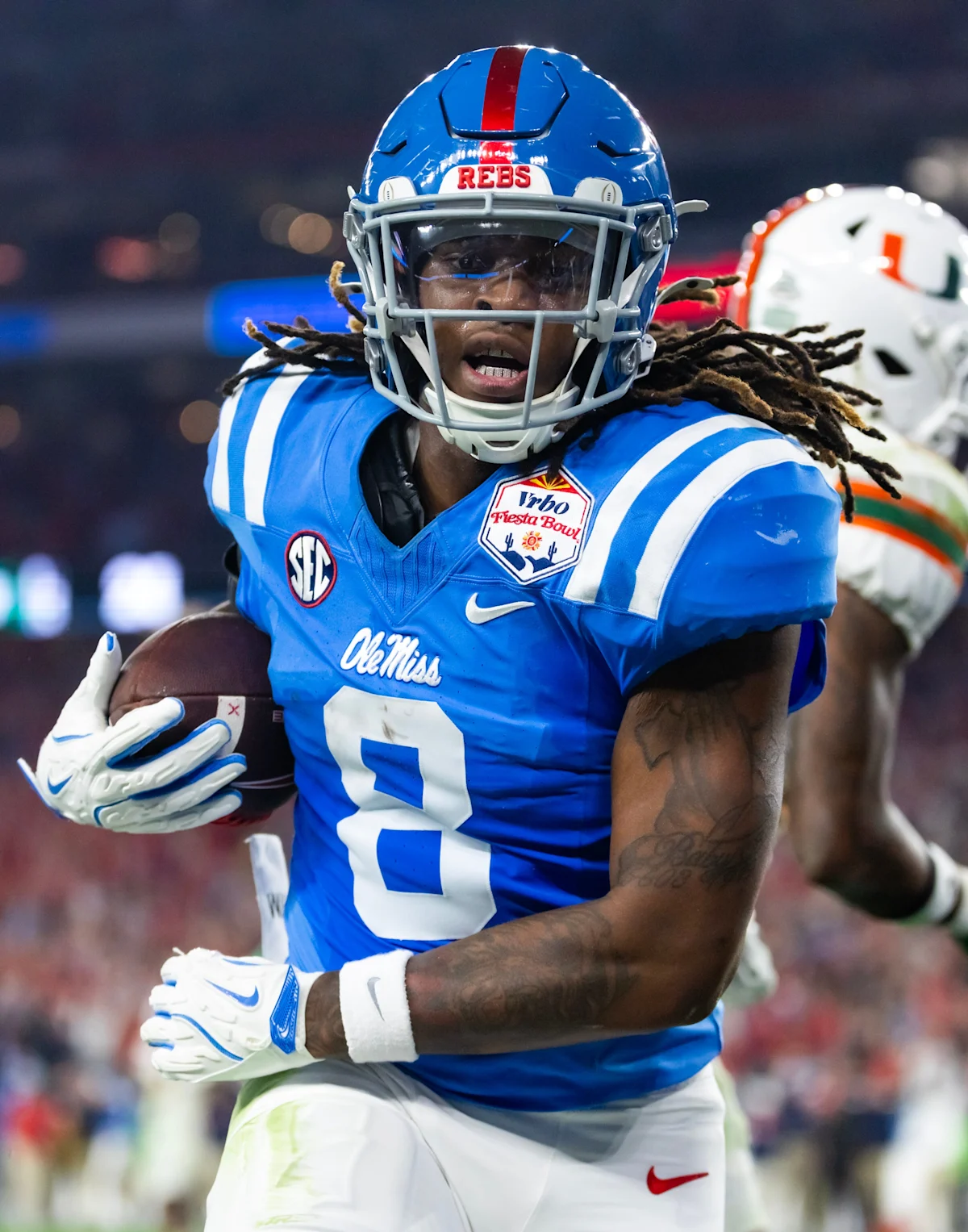
With the recent change in eligibility rules for the NCAA spurring a controversial series of lawsuits by members of the Class of 2022 recruiting cycle seeking the fifth year of eligibility they have been denied, some NFL players who exhausted four seasons of eligibility are now seeking to return to the collegiate level for an additional year if they are cut or waived by their current teams.
It's sparked an outcry among college sports fans, and college conferences such as the Big Ten, Big 12, and SEC have either already finalized or are in the process of finalizing policies to prevent such moves. And the NFL is also reaching out to clubs to make sure its rules on the matter are clear.
Adam Schefter reported on Wednesday that the league will not allow any player who goes back to play collegiate football in 2026 to sign another contract with an NFL team this year. Under league rules, any player signed to an NFL contract who is subsequently cut is a free agent. They are allowed to sign with another NFL team, sign with a CFL or UFL franchise, or return to college – but those players will be considered free agents and cannot be selected in a future draft.
The move comes after former Ole Miss tight end Dae'Quan Brown, who was signed by the Cleveland Browns this preseason, is seeking to return to the college level and follow former Ole Miss coach Lane Kiffin to LSU.
He, along with 15 other players, including former Ole Miss defensive lineman Xzavian Harris (signed with the Saints as an UDFA), Oregon State running back Anthony Hankerson (played during preseason with the Seahawks ), and SMU running back TJ Harden (played during preseason with the Seahawks ), was granted a temporary restraining order in court for an additional year.
The NFL's rules are obviously meant to discourage such moves, both by preventing the NFL from serving as a backup option later in the year with these players and by keeping the players from using another collegiate year as a springboard to becoming a higher draft pick next year. And it seems they are set to stand firm on their decision.
Topics in this story
Gathered from external sources. Rights to this text belong to whoever originally published it.