Prediction markets' NFL boom tests sports betting rules
Prediction markets built their business by letting users trade on everything from Federal Reserve decisions to pop culture. This year's football season is sh...
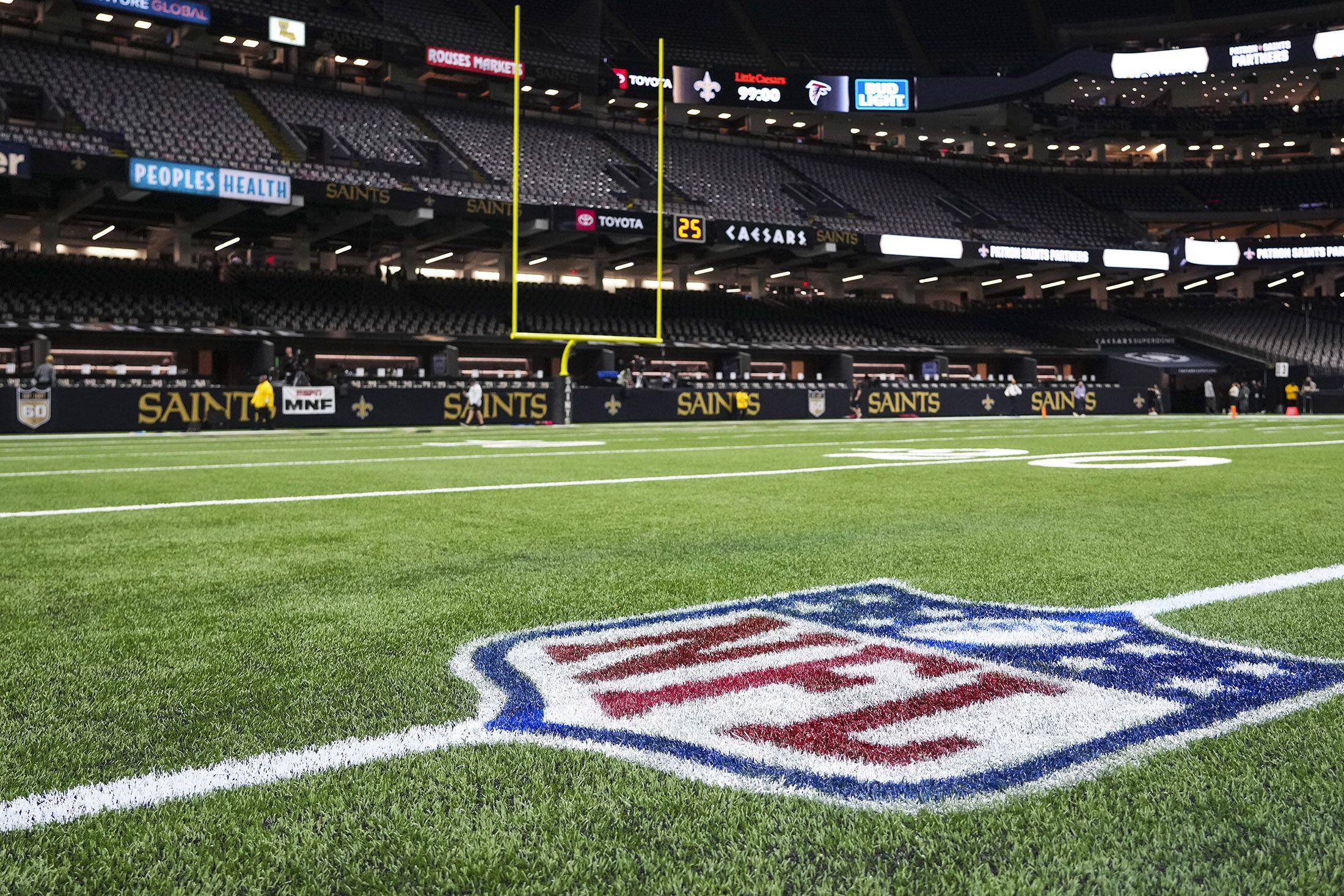
(Bloomberg) -- Prediction markets built their business by letting users trade on everything from Federal Reserve decisions to pop culture. This year's football season is showing just how much their growth hinges on something more familiar to bettors: sports.
Last weekend, games in the National Football League and the NCAA boosted trading volumes at Kalshi Inc. and Polymarket to consecutive daily records for a two-day total of $8.56 billion, according to data compiled by Dune Analytics. The combined weekly volume for both companies reached a record $22.2 billion.
Their new mainstream popularity puts prediction markets on a collision course with traditional sportsbooks, state regulators and the NFL, which has raised concerns about the effect of the trades on game integrity. The tensions are raising the stakes for the industry, just as a potential Supreme Court showdown may threaten its business model.
In the first four weeks of the NFL season, the financial impact for the top platforms has surged into view: More than 80% of Kalshi's volume came from sports trades in September. The company is considering a potential initial public offering after a financing round valued the platform at about $40 billion.
"It's the same playbook we saw five years ago with online betting apps," said Jordan Bender, an analyst at Citizens Financial Group. "It looks no different."
Those betting companies are pushing back as they face a regulatory disadvantage: Prediction markets are federally classified as exchanges, meaning they can avoid state taxes on traditional gambling — like New York's 51% levy — as well as age and location restrictions on sportsbooks.
That's pushing betting sites such as DraftKings Inc. and FanDuel to launch their own prediction-market products, giving them access to customers in states where their sportsbooks can't operate. For now, they're trailing Kalshi and Polymarket in trading volume and customer adoption.
"In Texas or California, where gambling is not allowed, prediction markets have a leg up," said Ilya Beylin, an associate law professor at Seton Hall University.
Kalshi says its products shouldn't be considered gambling because it operates as an exchange and doesn't take the other side of customers' trades. "Sports trading on regulated prediction markets offer a fairer choice to consumers, with no 'house' that restricts winners and hooks people the more they lose," said Elisabeth Diana, Kalshi's head of communications.
Topics in this story
Gathered from external sources. Rights to this text belong to whoever originally published it.