Tony Romo was brutally honest about his arrest and revealed a painful truth about life after football
Tony Romo – a longtime NFL star and the current top analyst on CBS’ NFL broadcasts – pulled back the veil on his post-football life.
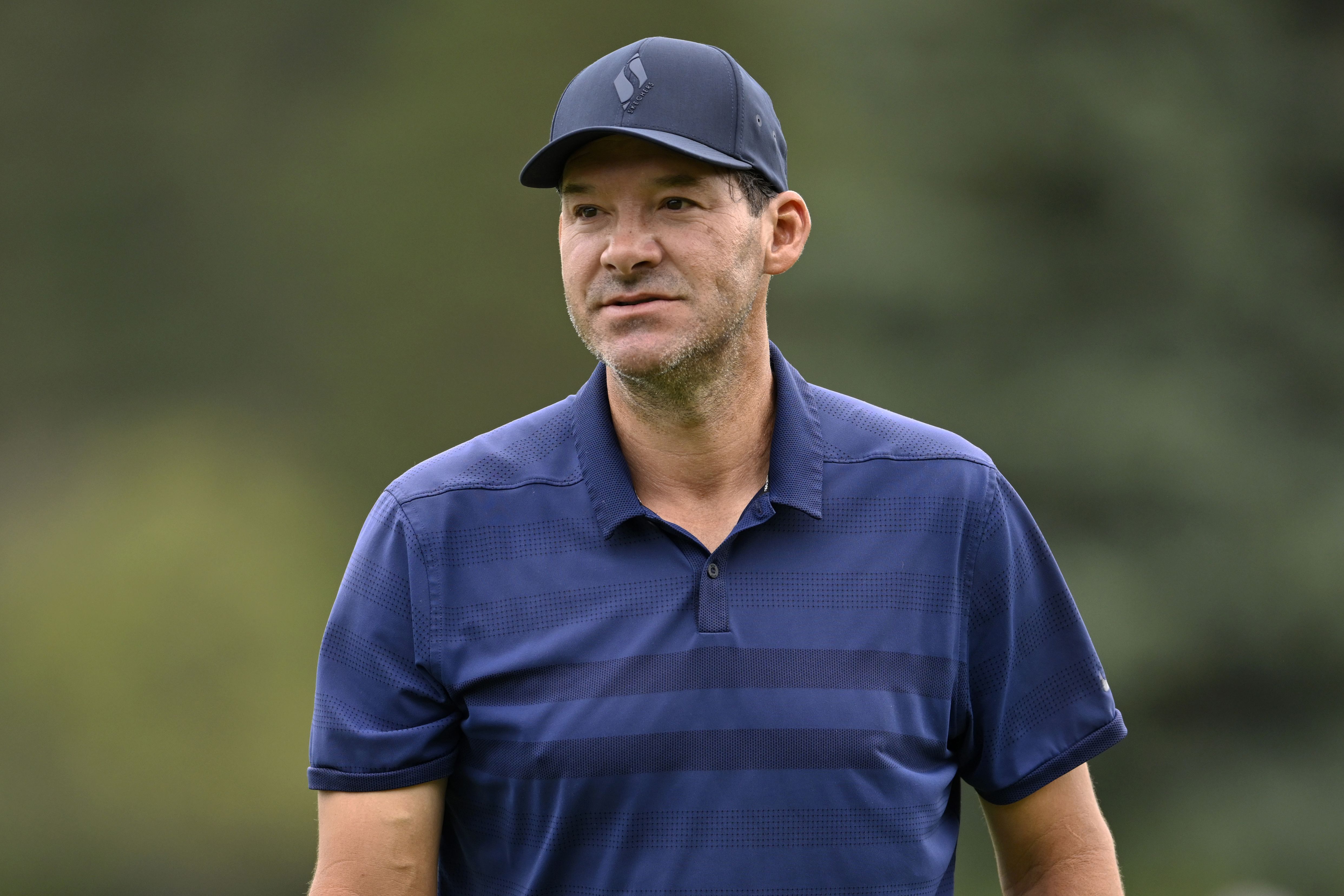
Athletes can often be perceived as superhuman figures, achieving a kind of elevated status that makes them seem immune to the all-too-human issues that can affect the masses who tune in to watch them compete. On Tuesday, Tony Romo – a longtime NFL star and the current top analyst on CBS’ NFL broadcasts – pulled back that veil. Romo was arrested last month on suspicion of operating a vehicle while intoxicated in Wisconsin, a moment that stained his image as the aw-shucks, clean-cut football star who has become one of the best on-air personalities in the game. In a statement where he announced he had pleaded no contest to a civil offense for operating while intoxicated, Romo gave a stark look at what life is like after a player leaves the game. “Multiple back surgeries ended my career earlier than I expected and left me with constant, debilitating pain. That pain led to a dependence on pain medication, and my efforts to get off those medications led to an over-reliance on alcohol,” Romo wrote in his statement. That statement gave voice to a story that’s often suffered in silence by former professional athletes: Their playing days left them with pain that sticks around long after the fans have stopped cheering. When few are watching, those athletes face a reckoning over the physical sacrifices they made to chase their dreams. And, as Romo notes, dealing with those sacrifices in the years after leaving the gridiron can sometimes lead to destructive choices – such as an over-reliance on substances that mask the pain. But the lessons taught by sports can also provide a path back – at least, that’s what Romo believes. In his statement, he said football taught him “the power of relationships, the strength of a team and the toughness to face failure head-on with honesty, resilience and the determination to do better.” He believes those qualities will help him carve out the next steps in his post-career life. “As I have taught my three young sons: when you fall short, you stand up and take full responsibility. That is an important first step. The harder and more important step is examining the path that brought you here and making the changes necessary to move forward,” he wrote. “That path requires honesty. None of this is an excuse. These are my failures, and I take responsibility for them.” The incredible highs of athletic success can sometimes be matched by the lows that follow a professional playing career and Romo is far from alone in having to pick up the pieces after an arrest. Tiger Woods is due back in court on Wednesday for his criminal case relating to an arrest earlier this year after a car crash. Police accused Woods of being inebriated and found prescription painkillers in his pocket. Woods sought treatment after the arrest and went to Switzerland for weeks. Woods is another prominent athlete whose career left him dealing with chronic pain. The violent swings that powered his game, launching golf balls far beyond his competitors, also wrecked his back and knees. Woods has been involved in multiple car crashes and each time prescription painkillers have been linked to the incidents. Golf and football can hardly be more different as athletic contests. And yet, both Woods and Romo faced similar challenges as their athletic primes faded away – chronic pain and the struggle to deal with it, often leading to substance use. Romo said he’s now trying to find a way forward, working with a medical team to address how he can better cope with the pain as he moves toward a return to the airwaves. “The past month has been difficult, but it has also been personally significant. It has required me to confront and own my mistakes fully—to the Lord, to myself, to my family, and now to the public,” he wrote. “I am working closely with a team of doctors to address my health and make the necessary changes. I am deeply grateful for the support of my family, my friends, and the NFL community including players, coaches, and owners. Your encouragement has meant more to me than you know.”
Gathered from external sources. Rights to this text belong to whoever originally published it.