“It was something bad that I was”: NFL legend Marshall Faulk reveals unexpected Parkinson’s diagnosis after noticing early symptoms while playing golf
NFL Hall of Famer Marshall Faulk has revealed that he is living with Parkinson’s disease. The former St.
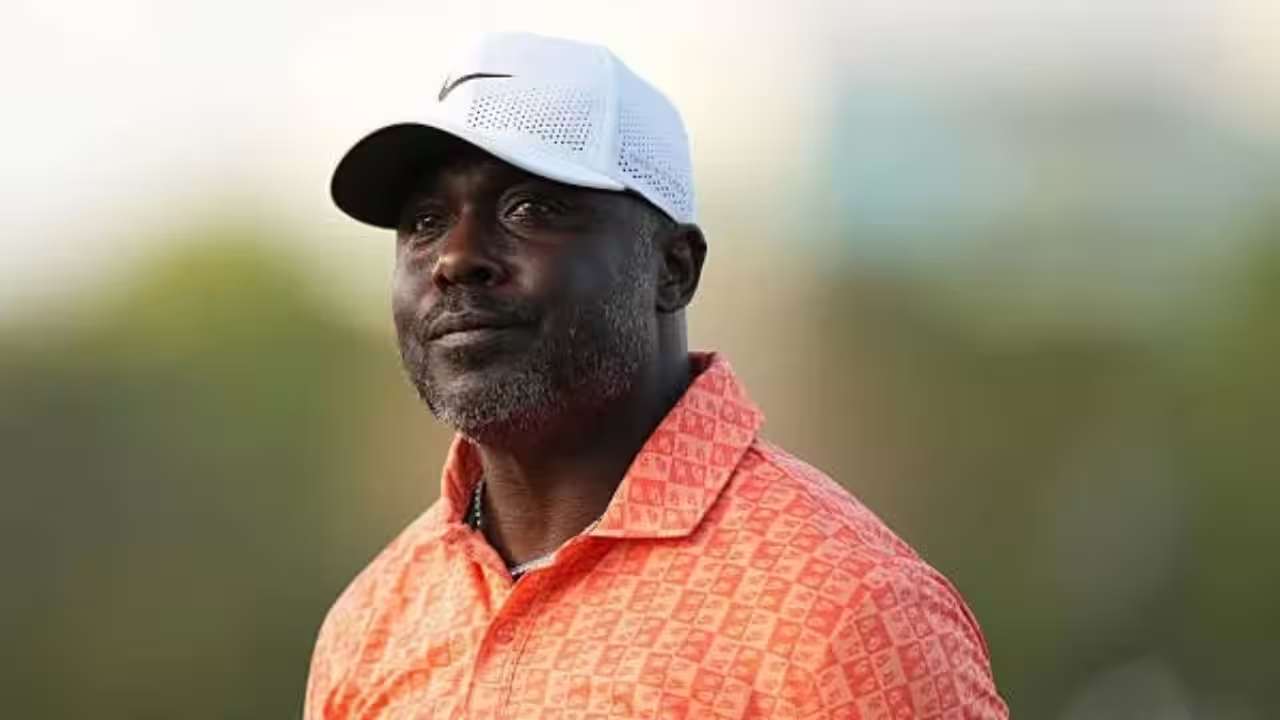
NFL Hall of Famer Marshall Faulk has revealed that he is living with Parkinson’s disease. The former St. Louis Rams running back, now 53, noticed the first signs while playing golf. What initially seemed like ordinary nerves while putting eventually led him to seek medical help.Faulk discussed his diagnosis on the “Caring Neurologist” podcast with Dr. Sandeep Thakkar. Rather than treating the news as the end of his life, he has focused on treatment, staying active and managing his symptoms. His account also offers a glimpse into how the condition has affected a player known for his remarkable NFL career. Marshall Faulk explains how golf helped him notice Parkinson’s symptomsFaulk said the first signs appeared as rigidity in his hand, particularly after playing or practising golf for long periods. At first, he thought the problem came from nerves while putting. However, he eventually recognised that something was not quite right.Speaking on the Caring Neurologist podcast, Faulk explained, “The rigidity in my hand, just sometimes after I play a lot or I practice a lot.” He added that he initially thought it was “normal nerves when putting and stuff like that.”According to reporting by Toyloy Brown III of The Advocate, those early symptoms prompted Faulk to look more closely at his health. He considers himself fortunate that he noticed the signs early enough to get tested.Faulk has since focused on treatment and medication. He told Dr. Thakkar that the treatment has helped him sleep better and remain more active. He also said the medication has stopped his condition from getting worse.That does not mean every symptom has disappeared. Faulk still experiences small tremors and pays attention to his walking, balance and movement while exercising.“The little tremors that I get, you know, they are what they are,” he said on the podcast. He also explained that he monitors his gait and balance during everyday activities and workouts. Hall of Fame running back focuses on managing the diseaseFaulk has made it clear that he does not see his diagnosis as the end of his life. On the Caring Neurologist podcast, he compared living with Parkinson’s to managing physical problems he has faced before, including surgeries on his right knee and recurring back pain.“I didn’t look at it like, you know, if I got a diagnosis, it was something bad that I was, you know, life was going to end,” Faulk said.He also stressed the importance of taking care of the condition, warning that ignoring it could lead to greater problems.Parkinson’s disease is a progressive neurological disorder that can affect movement, balance and coordination. There is currently no cure, but treatment can help manage symptoms. Faulk’s experience highlights why recognising unusual symptoms and seeking medical advice can be important.The diagnosis also comes as former NFL players continue to speak publicly about living with the disease. Green Bay Packers all-time leading rusher Ahman Green recently disclosed his own diagnosis. Brett Favre and Bernie Kosar have also spoken about living with Parkinson’s.Faulk spent 12 NFL seasons with the Indianapolis Colts and St. Louis Rams, earning a place in the Pro Football Hall of Fame. He became one of the league’s most productive all-purpose backs, finishing his career with 12,279 rushing yards and 6,875 receiving yards. He also helped the Rams win Super Bowl XXXIV in January 2000.Today, Faulk is the head football coach at Southern University. While his diagnosis brings a new challenge, he continues to focus on treatment and staying active.Stay updated with the latest Asian Games 2026 news, check the Asian Games medal tally and complete Asian Games schedule.Get the latest Sports News and Live updates. Download the TOI app.
Topics in this story
Gathered from external sources. Rights to this text belong to whoever originally published it.