The Chargers Made a Trade, But Should Have Made More
The Chargers traded Daiyan Henley for draft picks but failed to make any other moves at the deadline. With the season lost, Los Angeles missed an opportunity...
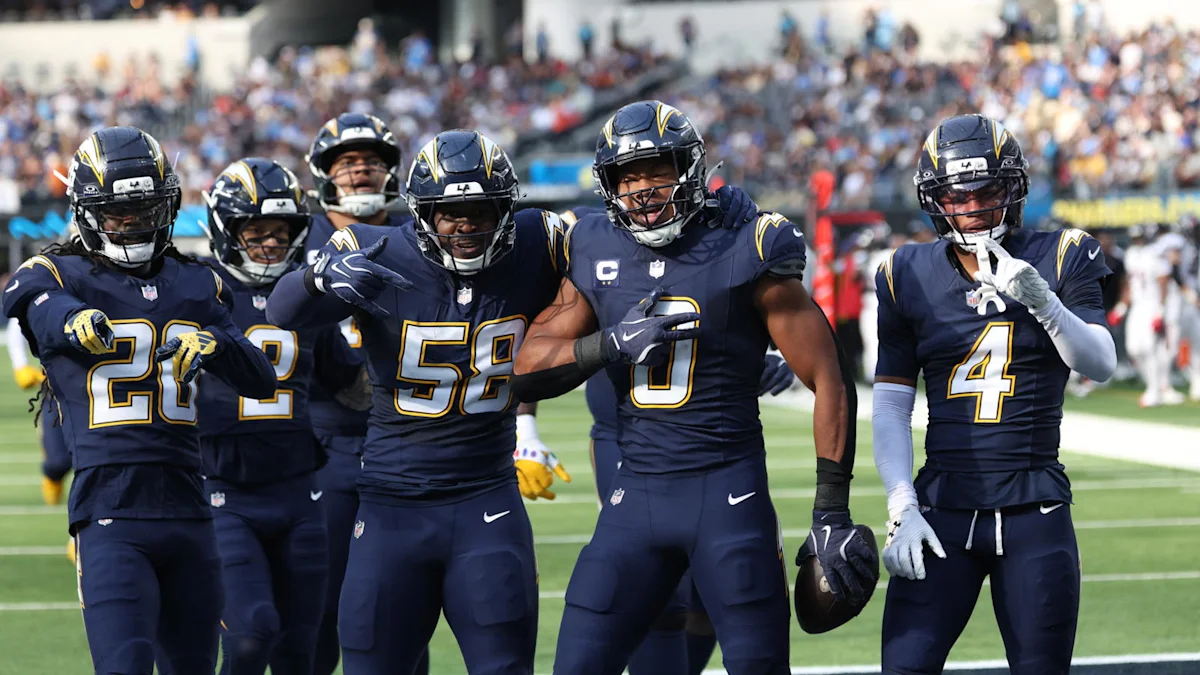
The Los Angeles Chargers finally decided to make a move before the NFL trade deadline, sending linebacker Daiyan Henley to the Denver Broncos in exchange for a 2027 fourth-round pick and a 2028 fifth-round pick. While the return is reasonable for a player in the final year of his contract, the bigger disappointment is that this was the only significant move the Chargers made.
At 0-8 and sitting as the only winless team in the NFL, there really wasn't much reason for the Chargers to stand pat at the deadline. The season has gone about as poorly as possible and the organization should have been looking toward the future. Trading Henley was a step in the right direction, but there were other opportunities to accumulate draft capital that the front office seemingly wasn't willing to pursue.
Henley was an important part of the Chargers defense and losing him isn't going to make things any easier for a team that has already struggled this season. He was a two-time team captain and had 51 tackles through the first eight games. However, with his contract expiring after the season, getting something in return was better than potentially losing him in free agency without receiving anything.
The question is why the Chargers didn't take the same approach with some of their other players.
Khalil Mack immediately comes to mind. Mack is still a productive pass rusher and would have likely attracted interest from several contending teams looking to improve their defense for a playoff run. The Chargers could have potentially received a decent draft pick in exchange for him rather than risk losing him in free agency or bringing him back for another season on a rebuilding roster.
Kimani Vidal is another player the Chargers could have explored trading. Vidal has shown flashes of being a productive running back, but his role has been inconsistent, especially with Omarion Hampton and Keaton Mitchell in the backfield. With the Chargers struggling and looking toward the future, moving Vidal could have made sense if the right offer was available. He is still young and has shown enough potential to attract interest from teams needing help at running back. Rather than potentially letting him walk or keeping him in a limited role, the Chargers could have turned him into another draft asset. Even a Day 3 selection would have been worth considering for a team that needs as many opportunities as possible to improve its roster.
The Chargers don't need to completely tear everything down, but they need to recognize where this season is headed. Sitting at 0-8, the priority should be putting themselves in the best possible position to improve the roster over the next couple of years. That means accumulating draft picks and giving Joe Hortiz as many opportunities as possible to find young talent.
The organization has already shown that it can find contributors through the draft. Adding more selections would only increase those opportunities, whether through making additional picks or using them to move around the draft board.
Ultimately, the Henley trade was a good move considering the circumstances. Getting a fourth-round pick in 2027 and a fifth-round pick in 2028 for a player who was approaching free agency is a reasonable return. However, making just one move at the deadline is difficult to understand given the Chargers' current situation.
There is a difference between trying to remain competitive and refusing to acknowledge when a season is lost. The Chargers needed to start thinking about the future, and the trade for Henley was evidence that they finally recognized that.
Unfortunately, they didn't go far enough. This was an opportunity to add multiple draft assets and give themselves more flexibility heading into the offseason. Instead, the Chargers made one move and called it a day. For a team with an 0-8 record, that simply wasn't enough.
Topics in this story
Gathered from external sources. Rights to this text belong to whoever originally published it.