“Not an onus on defending yourself..": Jason Kelce unleashes on NFL crackback block rule as Travis Kelce questions protection for players running without the ball
Travis and Jason Kelce have a problem with the NFL's restrictions on crackback blocks, and neither brother held back while discussing the rule on their
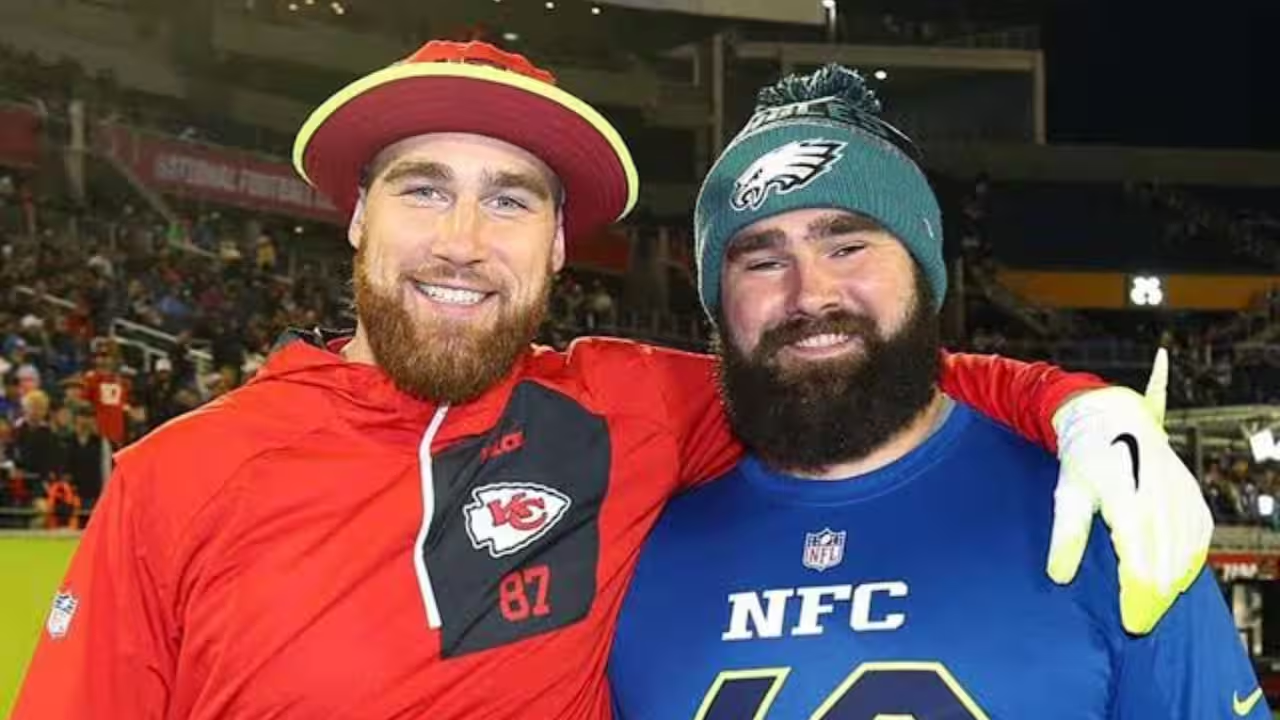
Travis and Jason Kelce have a problem with the NFL's restrictions on crackback blocks, and neither brother held back while discussing the rule on their podcast. During an episode of New Heights, the former Philadelphia Eagles center and Kansas City Chiefs tight end questioned why the league limits contact against players who are running without the football.The brothers believe players should take greater responsibility for protecting themselves on the field. Their criticism puts the NFL's player safety rules under the spotlight again, with Jason delivering a particularly blunt verdict on the restrictions. Travis Kelce questions why players get extra protection on the fieldTravis Kelce believes players should remain alert when they move around the field, particularly during kickoff situations. The Chiefs tight end made his position clear on New Heights, arguing that players should prepare for contact rather than rely on restrictions that prevent certain blocks."You're running scot-free on the kickoff. You've got to have your antennas up. This is why crackbacks should be legal, because guys just have to be on their P's and Q's.Keep your head on a swivel, man. You're on the field," Travis Kelce said on the New Heights podcast.His argument focuses on awareness and the physical demands of football. However, crackback blocks are not entirely banned under NFL rules. The league restricts specific forms of contact based on the blocker's position, movement and the type of contact involved. The regulations aim to limit dangerous hits, particularly those involving contact against players in vulnerable positions.That distinction is at the heart of the brothers' disagreement with the rule. They want players to have greater freedom to make contact, even when defenders do not carry the football. Jason Kelce calls NFL crackback block restrictions the 'dumbest rule change'Jason Kelce took the argument further on New Heights. The retired Eagles center questioned why players running without the football should receive additional protection when they are not attempting to catch a pass or carrying the ball."The idea that you're defenseless when you're running on the field is insane to me, the ball carrier isn't right there. You're not extending for a catch, you're not throwing a ball, you're just running, why is there not an onus on defending yourself?" Jason said on the New Heights podcast.Jason has spent years playing in the trenches, where blocking decisions often come down to split-second reactions. His experience as a former offensive lineman also gives him a different perspective on the restrictions, particularly when they limit what players can do to help their teammates.He did not stop at questioning the reasoning behind the rule. Jason also made his frustration clear with a blunt assessment of the NFL's decision."It's the dumbest rule change of all time, I hate it," Jason said on New Heights.The NFL continues to adjust its rules to address player safety, including concerns about head injuries and dangerous collisions. Crackback restrictions form part of those efforts, although the Kelce brothers believe the league has gone too far in limiting certain physical plays.Their criticism adds to the ongoing debate over how the NFL balances physicality with player protection. Travis and Jason may disagree with the league's approach, but their comments put the restrictions back in the conversation.Get the latest Sports News and Live updates. Download the TOI app.
Topics in this story
Gathered from external sources. Rights to this text belong to whoever originally published it.