Aaron Rodgers’ $37K donation to New Jersey police sparks privacy backlash as critics question rich people's power over public surveillance
Aaron Rodgers may have intended to make his former New Jersey neighbourhood safer, but his reported $37,000 contribution has sparked a much bigger debate.
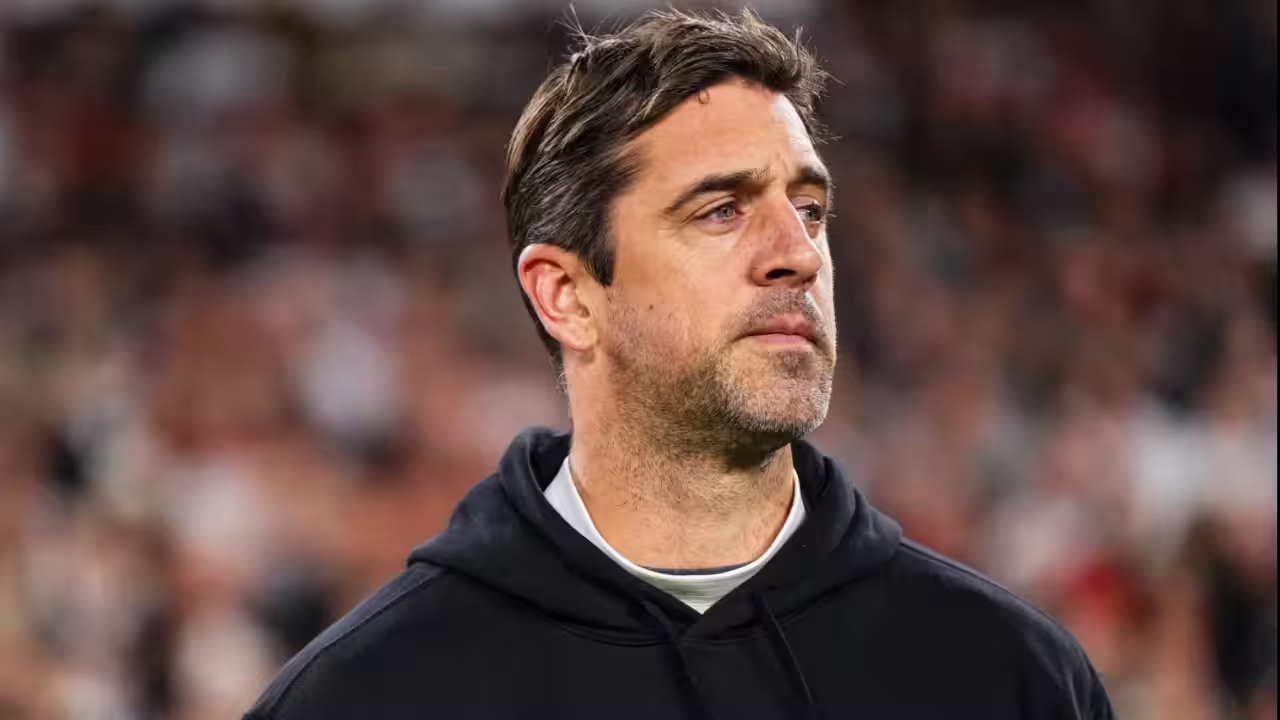
Aaron Rodgers may have intended to make his former New Jersey neighbourhood safer, but his reported $37,000 contribution has sparked a much bigger debate. The NFL quarterback's donation helped fund police surveillance technology designed to track vehicles across Cedar Grove. While supporters see automatic license plate readers as useful crime-fighting tools, critics worry about who gets to decide how much surveillance a community should accept. The controversy has also raised uncomfortable questions about whether wealthy individuals can influence public security policies simply by funding them.Aaron Rodgers’ $37,000 donation funded police surveillance cameras in New JerseyRodgers reportedly made the contribution in 2024, during his time with the New York Jets. According to a FOIAball report published on August 12, 2026, the quarterback directed $37,000 towards Cedar Grove's police department to help it purchase automatic license plate reader (ALPR) cameras.The donation came through a California-based limited liability company linked to Rodgers, who reportedly served as its manager. FOIAball estimated that the amount could have covered approximately 17 cameras, giving local police additional tools to monitor vehicle movements.The town had welcomed the contribution when officials discussed the equipment at a council meeting. The town manager praised the gift, saying, “We’ve received a generous donation of new ALPR cameras … a very generous donation that the police department is receiving.”The official also highlighted the technology's value to law enforcement, adding, “These are very heavily used tools in the law enforcement toolkit, so it’s good to add more to our belt.”However, the technology has become increasingly controversial. ALPR cameras capture the licence plates of passing vehicles, allowing authorities to identify and track cars that may be connected to investigations. While this can help police locate suspects and investigate crimes, critics question how much information these systems collect and who can access it.Aaron Rodgers donation raises questions about rich people's influenceThe biggest concern surrounding the donation is not simply the presence of surveillance cameras. It is the influence private wealth can have over decisions that affect an entire community.Matthew Guariglia, a senior policy analyst at the Electronic Frontier Foundation, raised concerns about wealthy individuals funding surveillance infrastructure without broader public involvement.“This is one of just several examples nationwide now of unelected rich people getting to set the levels of surveillance in a community that they are comfortable with.”He further questioned the power that comes with such financial contributions, stating, “They get to take out their checkbook and decide how everyone in that town gets to live.”Interestingly, Rodgers has previously spoken about his own concerns regarding privacy and personal security. In December 2024, he discussed reports of mysterious drones flying over New Jersey. He also revealed in March that he had “legitimate stalkers” and had been forced to leave his Malibu home.That contrast adds another layer to the debate. While public safety remains important, residents also deserve a say in how surveillance technology operates in their neighbourhoods. The discussion now extends beyond one donation to a larger question about privacy, accountability and the role money should play in shaping public policy.Get the latest Sports News and Live updates. Download the TOI app.
Topics in this story
Gathered from external sources. Rights to this text belong to whoever originally published it.