Colin Kaepernick’s 10-year journey from NFL star to a lasting symbol of athlete activism and social change
NFL News: Colin Kaepernick was still an NFL quarterback when he began a protest that would follow him long after his football career ended. In 2016, he refused .
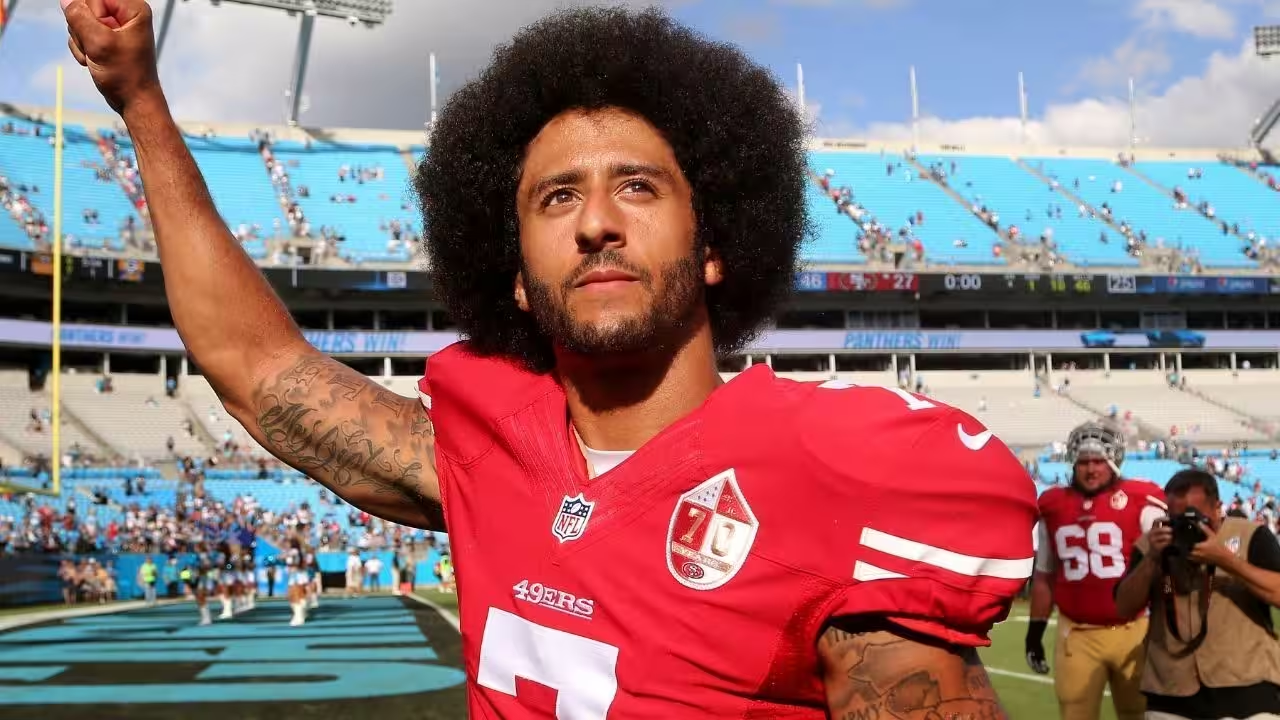
Colin Kaepernick was still an NFL quarterback when he began a protest that would follow him long after his football career ended. In 2016, he refused to stand for the national anthem to draw attention to racial injustice and police brutality. Ten years later, the image of Kaepernick on one knee remains closely connected with athlete activism across American sports.The protest began quietly during the San Francisco 49ers’ preseason. Kaepernick eventually lost his place in the NFL, but athletes in several major sports later used similar gestures and public platforms to address social issues. Colin Kaepernick’s 2016 protest quickly moved beyond the NFLKaepernick first sat during the anthem before San Francisco’s preseason game against the Houston Texans on August 14, 2016. He did the same against the Denver Broncos on August 20, but few people noticed because he did not play in either game.That changed after a few days, when Kaepernick sat during the anthem before playing against the Green Bay Packers. After the game, he explained his decision to NFL reporter Steve Wyche.“I am not going to stand up to show pride in a flag for a country that oppresses Black people and people of color,” Kaepernick told Wyche after the Packers game.Kaepernick had also spoken publicly about the deaths of Alton Sterling and Philando Castile, two Black men killed by police in July 2016. Their deaths came only weeks before his first visible protest.After speaking with former NFL player and retired Green Beret Nate Boyer, Kaepernick changed his approach from sitting to kneeling. On September 1, 2016, he knelt beside teammate Eric Reid before the 49ers played the San Diego Chargers.The response grew quickly. Kaepernick received boos and death threats, while then-Republican presidential candidate Donald Trump criticized his decision during the 2016 campaign.Other athletes soon joined the conversation. Soccer star Megan Rapinoe knelt during the anthem in support of Kaepernick. NBA teams linked arms during the anthem, while WNBA players also staged protests.During the 2017 WNBA Finals, the Los Angeles Sparks stayed in the locker room during the anthem, while the Minnesota Lynx linked arms before Game 1. Former WNBA star Diana Taurasi later said athletes wanted Kaepernick to know that “we have his back.” Kaepernick lost his NFL career but continued his work outside footballKaepernick continued playing throughout the 2016 season, starting 11 games for San Francisco and finishing with 2,241 passing yards, 16 touchdowns and four interceptions. He also rushed for 468 yards and two touchdowns.His final NFL appearance came on January 1, 2017, against the Seattle Seahawks. He became a free agent after the season and never played another NFL game.Kaepernick and Reid later filed grievances against the NFL, alleging that team owners colluded to keep them out of the league. The sides reached a confidential settlement on February 15, 2019.Kaepernick still pursued a return. On May 25, 2022, he worked out for the Las Vegas Raiders, but the team did not sign him.His work away from football continued through his Know Your Rights Camp, which focuses on education, self-empowerment and community engagement. His activism also remained visible during the nationwide protests that followed George Floyd’s death in May 2020.The NFL eventually acknowledged its own handling of player protests. In June 2020, Commissioner Roger Goodell said the league should have listened more closely to players who raised concerns about racial injustice.Now, as September 1, 2026 marks 10 years since Kaepernick first knelt beside Reid, his football career remains frozen in 2017. His activism has continued for a decade, giving his story a place far beyond the NFL.Get the latest Sports News and Live updates. Download the TOI app.
Topics in this story
Gathered from external sources. Rights to this text belong to whoever originally published it.