Lando Norris Just Bought His Way Onto the F3 Grid, and the Deal Explains How Junior Racing Really Works
Every driver on the current Formula 1 grid loves to talk about giving back to the next generation. Lando Norris, a guy just as likely to be photographed dail...
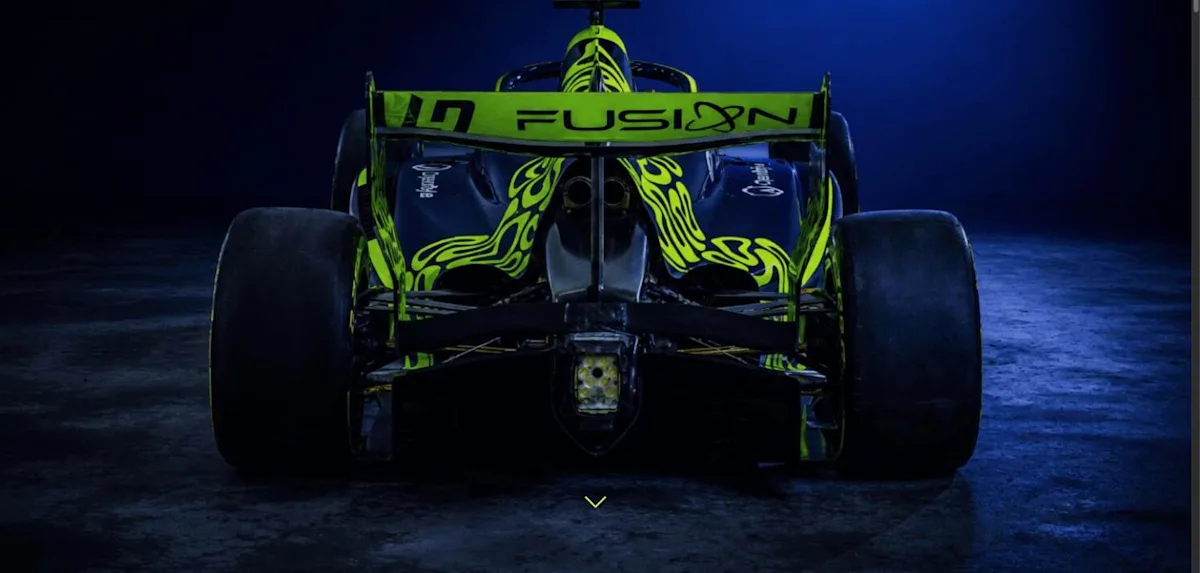
Every driver on the current Formula 1 grid loves to talk about giving back to the next generation. Lando Norris, a guy just as likely to be photographed daily-driving his Porsche 911 GT3 RS through Monac o as he is climbing a podium, actually put his money behind it. On September 2, the reigning F1 World Champion confirmed LN4 Fusion, a junior single-seater team he co-founded, will race in FIA Formula 3, the FIA Formula Regional European Championship and Italian F4 starting in 2027, with a completed application to join the FIA Formula 2 grid the same year.
The unveiling happened at an evening event lit up in team colors, with cars presented in front of what LN4 Fusion described as an audience drawn from the highest levels of Formula 1. It happened to land just weeks after Norris snapped a rough patch of on-track form at the Hungarian Grand Prix. The livery is hard to miss: a neon yellow-green Fusion logo slashed across a dark navy chassis, with sponsor decals for cybersecurity firm TotalAV and VPN brand Hotspot Shield already in place months before the team turns a wheel in anger.
You Can't Just Apply for an F3 Grid Slot
Here's the part that got buried under the celebrity name attached to the announcement: LN4 Fusion didn't create a new entry on the FIA Formula 3 grid, it bought one. The team acquired selected assets of AIX Racing, an existing outfit, and with it inherited AIX's entry through the end of the 2027 season. That distinction matters more than it sounds. F3 and F2 both run capped grids with a fixed number of entries, so a new organization can't simply write a check to the FIA and show up on the grid the way a new team might join a national touring series. The only reliable way in is to buy out or merge with somebody who already holds a slot, which is exactly the route LN4 Fusion took. On the F2 side, the team has now gone through the FIA's formal selection process for the category and expects to join that grid in 2027 as well, a step up from the "application procedures" language its own launch materials used just a day earlier.
Norris put his name and his money on the project, but he isn't running it day to day. Dan Richards, an executive with a background in corporate strategy and commercial development, is CEO. Rene Rosin, who the team credits with more than 40 championship titles across the last two decades, takes over as Team Principal running the sporting side. Guillaume Capietto is Racing Director, overseeing the technical and competition side of the operation.
The Fusion half of the team's name isn't just a word that sounded good next to Norris's initials. It comes from Fusion Motorsport, the 25-year-old karting operation run by Dan Hazlewood, who takes the Team Principal role for LN4 Fusion's UK arm. Hazlewood's outfit has produced national and international karting champions for two and a half decades, and it's now being folded into a British Formula 4 testing program based in Cambridgeshire, aimed at a future entry into the British F4 Championship. The European side of the operation, covering F3, Formula Regional and Italian F4, will be headquartered out of a new facility in Veneto, Italy.
The Legacy Programme Is a Separate Thing, on Purpose
Alongside the team, Norris also launched the LN4 Legacy Programme, a fully funded driver development initiative that operates independently of LN4 Fusion despite sharing its branding. It's run by ADD Management under Programme Director Julian Rouse, and its job is to cover the costs that keep talented kids out of racing long before they're good enough to worry about which team signs them. Budgets in single-seater racing don't scale gently; they escalate hard at every rung of the ladder, and a driver with real pace can still wash out of the pipeline simply because the funding ran out before the talent did. Norris has been direct about why that resonates with him personally, saying the goal is about giving drivers "the right people around you, the right support and the right opportunities."
Metro Supply Chain, a third-party logistics company founded in Montreal in 1974 that now operates more than 22.5 million square feet of warehouse space across upwards of 190 sites in North America and the UK, signed on as an Official Partner on September 3, a day after the launch. Its branding will run on the sidepods of every LN4 Fusion car in every series the team enters starting in 2027, plus garage signage, and it already appeared on the cars at the launch event. Personal Norris partners TUMI and Monster are also backing the project, with the driver noting more of his own sponsors are set to join. The launch also lands amid a broader wave of 2027 commitments rippling across the paddock; Alpine, for instance, just re-signed Franco Colapinto through the same season.
It's worth knowing what these categories actually are before deciding how big a deal this is. Italian F4 and its counterparts run Tatuus chassis with roughly 180 horsepower from 1.4-liter engines, intentionally underpowered to keep racecraft rather than outright speed as the deciding factor for drivers straight out of karting. Formula Regional, the newest rung on the FIA ladder, steps output up to around 270 horsepower and has already produced current F1 talent, including Kimi Antonell i, whose rookie season has been generating its own headlines around Ferrari's power unit strategy. FIA Formula 3 jumps to Dallara chassis and 380-horsepower Mecachrome engines capable of over 300 km/h, run in support of Formula 1 race weekends. FIA Formula 2, the final step, pairs the same chassis manufacturer with 620-horsepower Mecachrome units and Pirelli tires that force drivers to manage multiple compounds across a race weekend, mirroring the exact strategic puzzle they'll face if they graduate to F1.
Norris knows that ladder better than almost anyone backing a junior team right now. In 2025, he became the first FIA F2 graduate to win a Formula 1 World Championship, which makes LN4 Fusion less of a vanity project and more of a case of the product endorsing itself. Whether that credibility translates into results is a separate question. Launching a brand-new organization into four series at once, F3, Formula Regional, Italian F4 and a UK F4 testing program, while also finishing an F2 application, is an aggressive first-year workload for any team, let alone one built around assets acquired from someone else's operation just months earlier. Norris's day job, driving for McLaren in Formula 1, hasn't slowed down either; his employer's own junior-adjacent GT ladder, McLaren Trophy America , just released an equally ambitious 2027 calendar running alongside F1, IndyCar, IMSA and WEC, unaffiliated with LN4 Fusion but a reminder of how much the McLaren name is expanding on every front right now. The next real test for Norris's project isn't the launch party. It's whether LN4 Fusion's cars are competitive once the 2027 season starts, and whether the LN4 Legacy Programme quietly puts a driver on the grid who never would have gotten a shot otherwise.
Topics in this story
Gathered from external sources. Rights to this text belong to whoever originally published it.