Cruz Montana's Surprise WWE Debut Shows What's Right and Wrong With NXT's Pipeline
Cruz Montana made his main roster debut Monday night on WWE Raw, revealing himself to be the latest member of The 946 and joining the faction in a beatdown of Roman Reigns and The Bloodline.
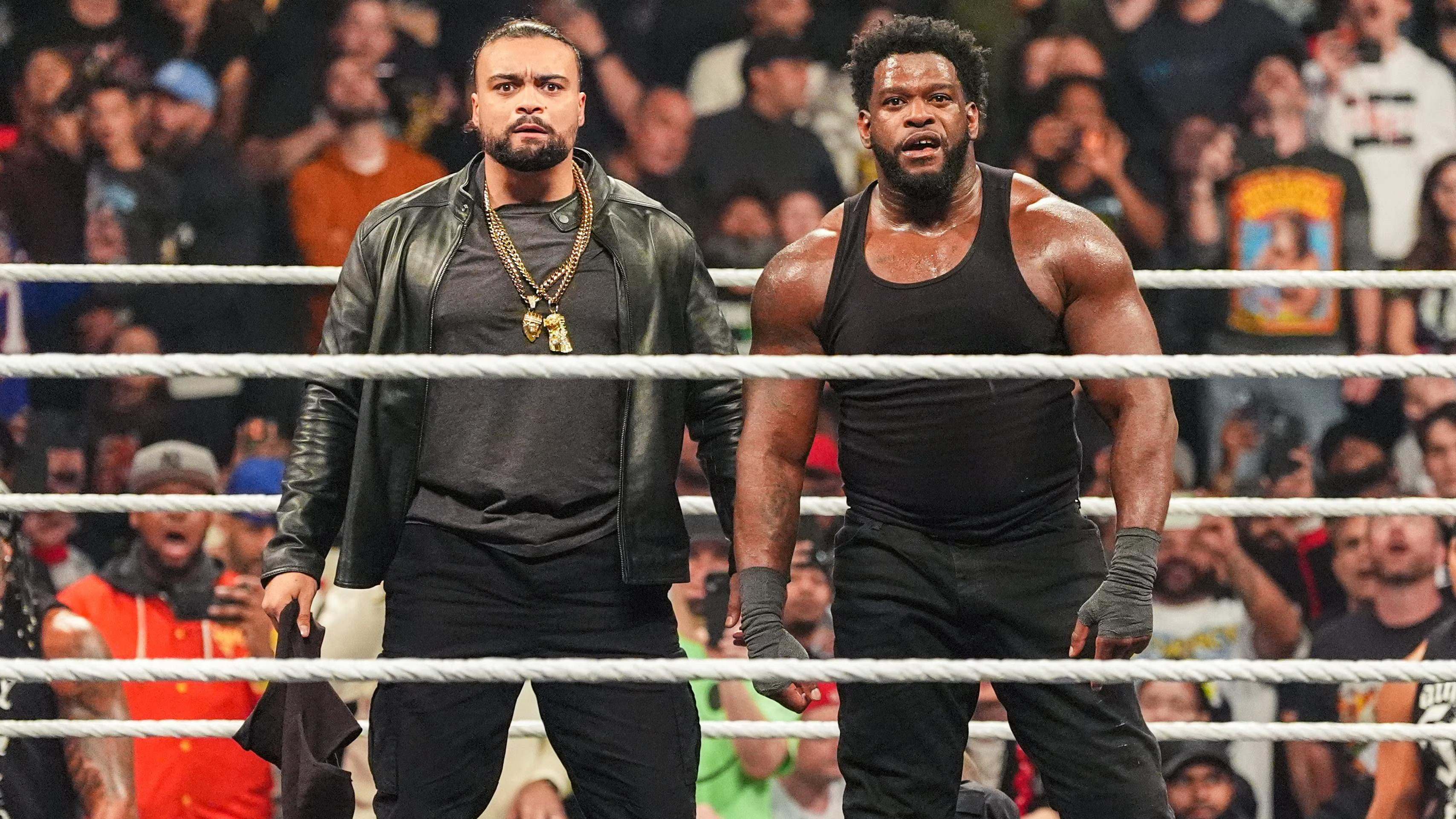
Cruz Montana made his main roster debut Monday night on WWE Raw, revealing himself to be the latest member of The 946 and joining the faction in a beatdown of Roman Reigns and The Bloodline.
It was a momentous occasion, one that has been long overdue for the veteran competitor, and the culmination of a career-long journey to the brightest lights and the biggest stage.
While Montana's promotion is welcome, his sudden arrival on Raw highlights both the strengths and weaknesses of WWE's pipeline from NXT to the main roster.
The days of Superstars overstaying their time in developmental are (mostly) over.
There will always be some who stick around the NXT locker room longer than others, thanks in large part to a television contract and the need to keep at least some recognizable names on the show.
Still, the Raw and SmackDown creative teams are more willing to call up a young star on little notice today than they have been in the past. It has led to some much-needed roster rejuvenation, too.
Since the beginning of 2026, we have witnessed Oba Femi, Joe Hendry, Trick Williams, Sol Ruca, Blake Monroe, Ricky Saints, Fatal Influence, Jaida Parker, OTM, Lola Vice, Tatum Paxley, and "All Ego" Ethan Page make the jump to the main roster.
For the most part, they have received significant television time and helped freshen up Raw and SmackDown from an in-ring perspective.
More importantly, it gives the talent the opportunity to sink or swim, rather than holding them off television for too long or delaying a call-up. Williams is one instance of a Superstar who was in NXT a touch too long. Luckily, he maintained his popularity, and the fans greeted his arrival with open arms.
He is a rare exception in this new landscape, where talents deemed "ready" are quickly thrust into the spotlight. Some in significant spots.
Williams quickly won the United States Championship. Jacy Jayne won the women's equivalent. Fallon Henley and Lainey Reid captured the Women's Tag Team Championships. Montana, Parker, Bronco Nima, and Lucien Price are embroiled in a main event rivalry with The Bloodline that will likely culminate in a Survivor Series: War Games main event.
Then there is Femi, who is tapped as the next big thing in WWE following a series against Brock Lesnar in which he retired The Beast after a convincing Hell in a Cell victory.
The pipeline from NXT to the main roster has fueled a youth movement within WWE, which was necessary as the median age of on-screen performers rose. It has also freshened things up and given performers the chance to prove they belong early on while getting reps on live television every Monday and Friday night.
As beneficial as it has been to the wrestlers and the product, there is also a fairly significant negative that should be addressed.
There is such a thing as having too much talent.
While an influx of new stars and fresh TV rivalries is important for the product's long-term sustainability, calling wrestlers up without any defined role is problematic.
It creates a logjam of Superstars, where there are plenty of talented performers worthy of the opportunity, but only so many spots to fill. The result is talent that is left off the show, out of the public eye, and withering away in irrelevance when they could have remained in NXT and at least worked with the next generation of stars to come up on that show.
It leaves the wrestler feeling disillusioned, and the audience loses track of them and ultimately stops caring.
One great example is Ilja Dragunov, who was the United States champion at one point before fading into the background and then off television, before leaving the company for more opportunities in All Elite Wrestling.
We have seen Saints arrive on SmackDown, have a few important matches here and there, then disappear for chunks of time. Ditto Carmelo Hayes, who inexplicably found himself off television post-WrestleMania 42, despite delivering bangers and reigning as the United States champion.
Giulia is another great example of a talent with all the tools needed to be a star, who was called up, given little to do despite two reigns as women's United States champion, and she is still struggling to find her footing on the main roster as a result.
Yes, not letting talent wallow in NXT when they are ready for bigger and better is great, but introducing them with pomp and circumstance, then not having anything for them creatively is worse than the alternative.
What comes next for The 946 after their inevitable loss to The Bloodline in this marquee rivalry? WWE should already have a plan for this talented faction—all but one of its members are NXT call-ups—rather than waiting until the feud ends to figure out how to use them.
Some will return to NXT and establish themselves as legitimate main event stars, a la Grayson Waller, but others will stay in the background before being released or forgotten for the remainder of their contracts.
That is when it becomes an indictment of the creative team, exposing the downside of calling up so much NXT talent without a clear plan.
Topics in this story
Gathered from external sources. Rights to this text belong to whoever originally published it.