Blake Griffin Is Pointing the Finger at the Wrong People in Sports Journalism
"If Griffin truly wants to champion sports journalism, his fight shouldn't be with the people entertaining audiences. It should be with the companies that de...
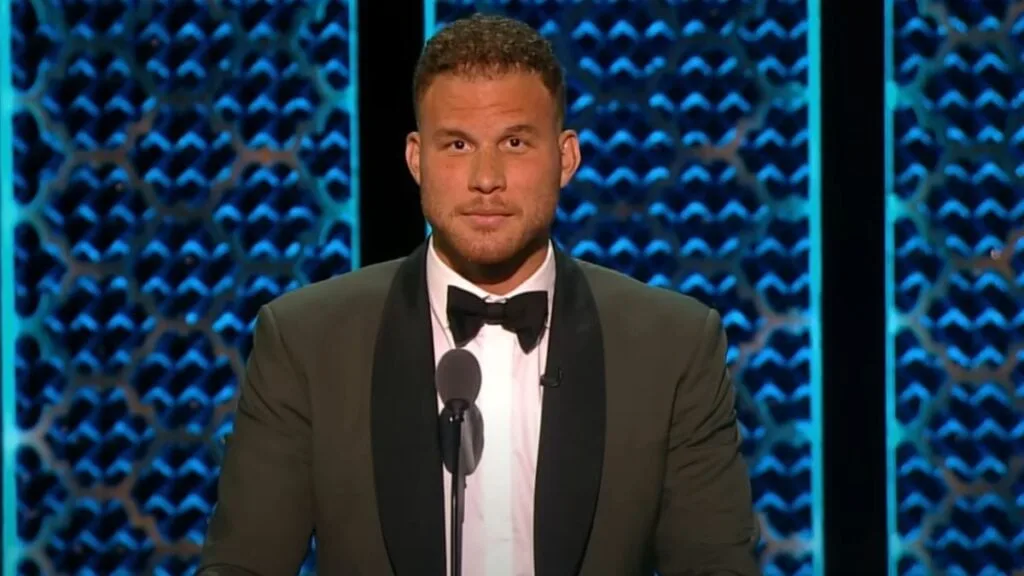
You have to love when people attempt to replicate success with a different spin on an established concept. The Daily Show has built a successful model around presenting news through satire, inspiring countless imitators. Now, Blake Griffin is trying his hand at the same concept, adding a sports twist.
With his new program, The Stepback with Blake Griffin , the former NBA top overall pick takes aim at sports headlines and topics through satire and commentary. The debut episode, published Tuesday evening, focused on the state of sports journalism in 2026. The content was well-written, delivered punchlines and identified its targets. Yet Griffin's argument missed a fundamental distinction: Much of what he criticized was exactly what those personalities, and now himself, deliver. Entertainment, not journalism.
Defining journalism has become increasingly difficult in today's media landscape. I've always viewed it as gathering facts, verifying information and presenting accurate stories independently of personal opinion. Audiences once had a clearer understanding of the difference between reporting and commentary. Those lines have blurred with the growth of columnists, radio, television, podcasting and digital media.
Today, facts and opinions are too often treated as interchangeable. That doesn't make them the same thing, nor does it make every personality discussing the news a journalist.
Griffin targeted familiar names, including Stephen A. Smith, Colin Cowherd and Skip Bayless. He criticized the embrace-debate model that helped propel First Take into the sports media stratosphere before networks across television copied the formula.
But embrace debate wasn't a new invention. Sports radio borrowed from the great columnists in every city, giving audiences not only the news of the day but also perspectives on what it meant. Reporting delivers the information. Commentary and reaction provide the entertainment.
Smith has a journalism background and continues to work sources for information. However, his presentation on First Take and his talk shows centers on opinion and debate. That's entertainment, not journalism. Their contributions can be valuable without being classified as traditional reporting.
No doubt, sports journalism doesn't look the way it once did. It hasn't for some time. However, Griffin attacking entertainers for failing to meet the standards of traditional journalism misses the larger issue.
Griffin is criticizing personalities for doing what their employers hired them to do.
Media needs a clearer distinction between journalism and entertainment. Dan Le Batard has argued that sports journalism is long dead, while his Meadowlark Media colleague Pablo Torre has established his own approach to investigative sports journalism. Regardless of where they stand, the industry needs to better explain the difference between informing an audience and engaging one.
Journalism presents verified information, facts and quotes, allowing audiences to draw their own conclusions. Entertainment uses information to frame opinions, reactions and personalities. Both have a place in sports media, but they serve different purposes.
"At some point, you have to ask yourself what exactly sports journalism on TV has been replaced with," Griffin said. "People with very little information and no expertise. Picking positions they don't actually believe in, and giving the hardest takes they can with zero accountability."
He's right that traditional sports journalism programming has changed. The Sports Reporters is no longer on television. Outside the Lines is now a podcast. SportsCenter once devoted its time to highlights, and lots of them.
But audiences and their expectations changed, forcing the industry to adapt. Accountability increasingly comes through viewership and engagement. Media companies either evolve with consumer habits or risk losing their audience.
"Maybe it's supposed to be entertainment. Maybe it's reality TV, or maybe it's pro wrestling kayfabe. But it's not reporting. It's a gimmick," Griffin said.
Again, agreed. It's not reporting, and therefore it isn't journalism. But the gimmick has found an audience and generated influence and advertising revenue, which is precisely what Griffin hopes to accomplish with his own program.
"The response of all these people might be, we're not saying we're journalists. But they're taking the desks, articles, and the airtime of journalists. They are journalism's replacement," Griffin said. "That matters because we need good sports journalism."
This is where Griffin's argument misses the mark entirely. Smith, Cowherd and Bayless didn't take seats away from quality journalists. Networks and publishers made business decisions about the content they wanted to produce and the personalities they wanted to feature.
Cowherd isn't on NPR. He's on FOX Sports Radio, a platform built around engaging personalities. Smith isn't presenting traditional reporting on ESPNews. He's on ESPN, where information, commentary, debate and entertainment coexist. Bayless now operates as a podcaster, sharing opinions on the day's headlines.
Griffin's frustration should be directed at the companies that prioritize those formats, not the people succeeding within them. Media is a business, and when the economics change, the product changes with them. That's why network television features fewer traditional sitcoms and more reality and game shows. The same economic pressures have transformed sports radio, while podcasting has drawn audiences toward niche programming, fewer commercial interruptions and on-demand content for a growing on-demand world.
Griffin is right to demand better sports journalism, more accountability and a clearer distinction between facts and opinions. But if he believes Smith, Cowherd and Bayless are responsible for its decline, he's pointing the finger in the wrong direction.
Those personalities didn't dismantle the business. They adapted to it.
The responsibility lies with the networks, publishers and media companies that decided personality-driven debate was a more profitable product than traditional reporting. They're the ones who determine what gets airtime, what gets funded and which voices audiences see and hear.
If Griffin truly wants to champion sports journalism, his fight shouldn't be with the people entertaining audiences. It should be with the companies that decided entertainment was the better business model in the first place. The problem isn't that sports media has too many personalities. It's that the industry increasingly prioritizes engagement over information, and no monologue aimed at the talent will fix that.
Barrett Media produces daily content on the music, news, and sports media industries. Sign up for our newsletters to stay updated and get the latest information right in your inbox.
Topics in this story
Gathered from external sources. Rights to this text belong to whoever originally published it.