Newcastle United’s Jaissle Transition Will Need Patience & Hard Work
Matthias Jaissle’s high-intensity philosophy faces a stern reality check. As tactical inconsistencies and defensive lapses spark frustration, the Magpies mus...
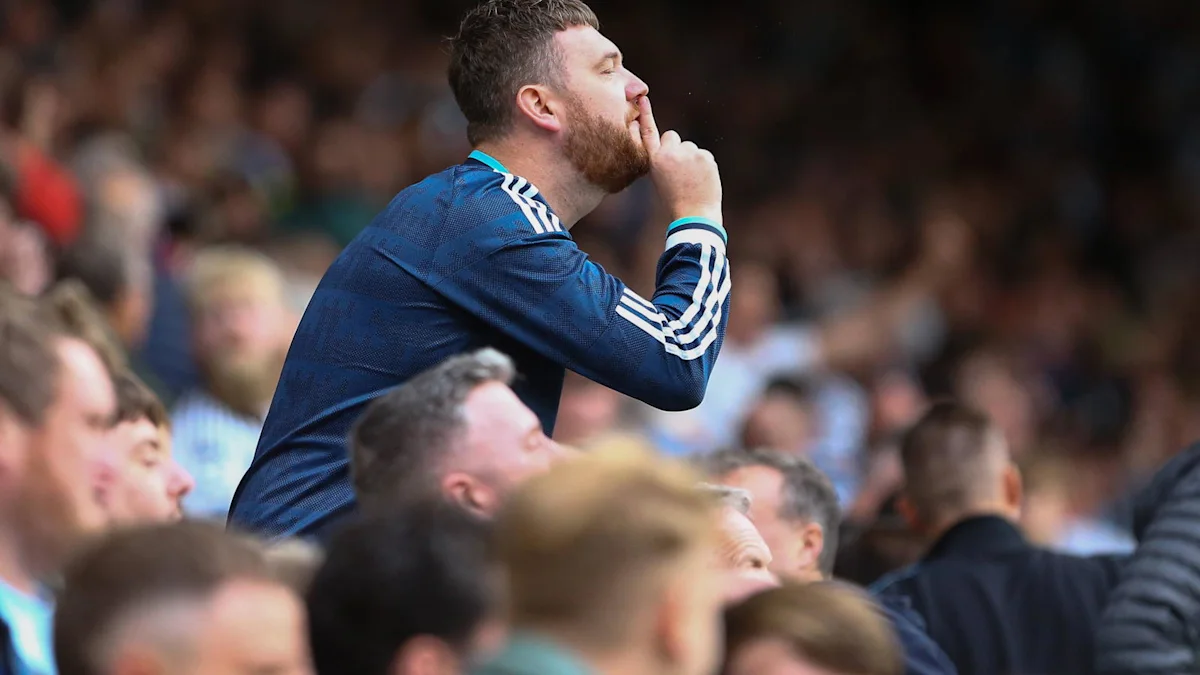
Newcastle United's transition under Matthias Jaissle was never going to be an overnight success, and recent results have served as a reminder of just how much work remains to be done if the Magpies are to become the side their supporters hope to see.
There is no escaping the disappointment surrounding Newcastle's recent run of form. Defeats against Leeds United and Aston Villa , alongside dropped points against Liverpool and Bournemouth , have raised questions about Jaissle's preferred system, his tactical approach and whether his squad is currently equipped to deliver the football he wants to implement.
However, while the frustration is understandable, it is important to recognise that building a new identity takes time. Newcastle are attempting to establish a different way of playing under a new head coach, and that process requires patience, hard work and a willingness from everyone at the club to embrace the challenges that come with change.
Jaissle arrived with a reputation for aggressive pressing, vertical football and an emphasis on winning possession back quickly. These principles demand exceptional fitness, tactical discipline and complete understanding between players.
When executed properly, such an approach can make Newcastle an incredibly difficult team to face. The intention is to force opponents into mistakes, recover possession in dangerous areas and attack before the opposition has time to reorganise.
The problem is that these methods leave little room for hesitation. If one player fails to press at the correct moment, the opposition can exploit the space left behind. If the midfield is bypassed, Newcastle can suddenly find themselves defending large areas of the pitch with limited protection.
It would be wrong, however, to assume that these problems cannot be corrected. They highlight the areas Jaissle and his coaching staff must address on the training ground.
One of the biggest challenges facing Jaissle is finding the right balance between his footballing philosophy and the strengths of the players available to him.
A preferred formation, such as his favoured 4-2-3-1, can provide a useful starting point, but formations should never become more important than the players operating within them.
Newcastle need to become more difficult to play through, particularly when facing teams capable of exploiting transitions. The midfield must provide sufficient defensive protection while still offering the creativity and forward movement required to create opportunities.
The responsibility does not fall solely on the head coach. The players must take accountability for their performances, improve their decision-making and demonstrate the concentration required to execute the game plan consistently.
Equally, Jaissle must be prepared to adapt. A successful coach is not simply someone who convinces a squad to follow a particular system; it is someone who understands when that system needs adjusting to get the best out of the personnel available.
Nobody should expect supporters to accept poor results without criticism. Performances must improve, and the club must demonstrate that lessons are being learned.
Nevertheless, constantly questioning the direction of travel after every disappointing result risks creating unnecessary instability. If the hierarchy believes Jaissle is the right man to lead Newcastle forward, he must be given the opportunity to develop his ideas, improve the squad and establish a sustainable style of play.
That does not mean providing unconditional backing regardless of results. Progress must be measurable, whether through improved defensive organisation, better midfield control, more consistent performances or a clearer understanding of the team's identity.
The hierarchy must also ensure that Jaissle receives the support he needs in the transfer market, particularly if certain positions are not suited to the demands of his system.
Ultimately, patience alone will not solve Newcastle's problems. It must be accompanied by hard work, honest assessment and visible improvement.
Jaissle needs to show that he can learn from setbacks, make the necessary tactical adjustments and build a team capable of competing against different styles of opposition. The players, meanwhile, must demonstrate that they understand his demands and are prepared to work collectively rather than relying on individual quality to rescue difficult situations.
Newcastle have enough talent within their squad to produce better performances than some of those witnessed recently. The challenge is turning that talent into a cohesive, disciplined and consistent team.
There will be difficult afternoons along the way, particularly while the squad adapts to a new coaching philosophy. What matters is how Newcastle respond to those setbacks and whether the same weaknesses continue to appear without correction.
The verdict is simple: Jaissle's Newcastle transition needs patience, but that patience must be earned through progress.
The Magpies cannot expect to transform into a consistently dominant side overnight. However, with the right coaching, tactical flexibility, commitment from the players and support from the hierarchy, there is no reason why this difficult period cannot become an important stage in the club's development.
Jaissle deserves the opportunity to demonstrate what he can achieve, but the responsibility now rests with him and his players to turn potential into performances and performances into results.
Topics in this story
Gathered from external sources. Rights to this text belong to whoever originally published it.