Scottie Scheffler’s viral illness shows that not even the world’s best athletes are immune to the trials of parenthood
Professional athletes are often held up as something above and beyond the mere mortals who pay hefty ticket prices to be in the stands.
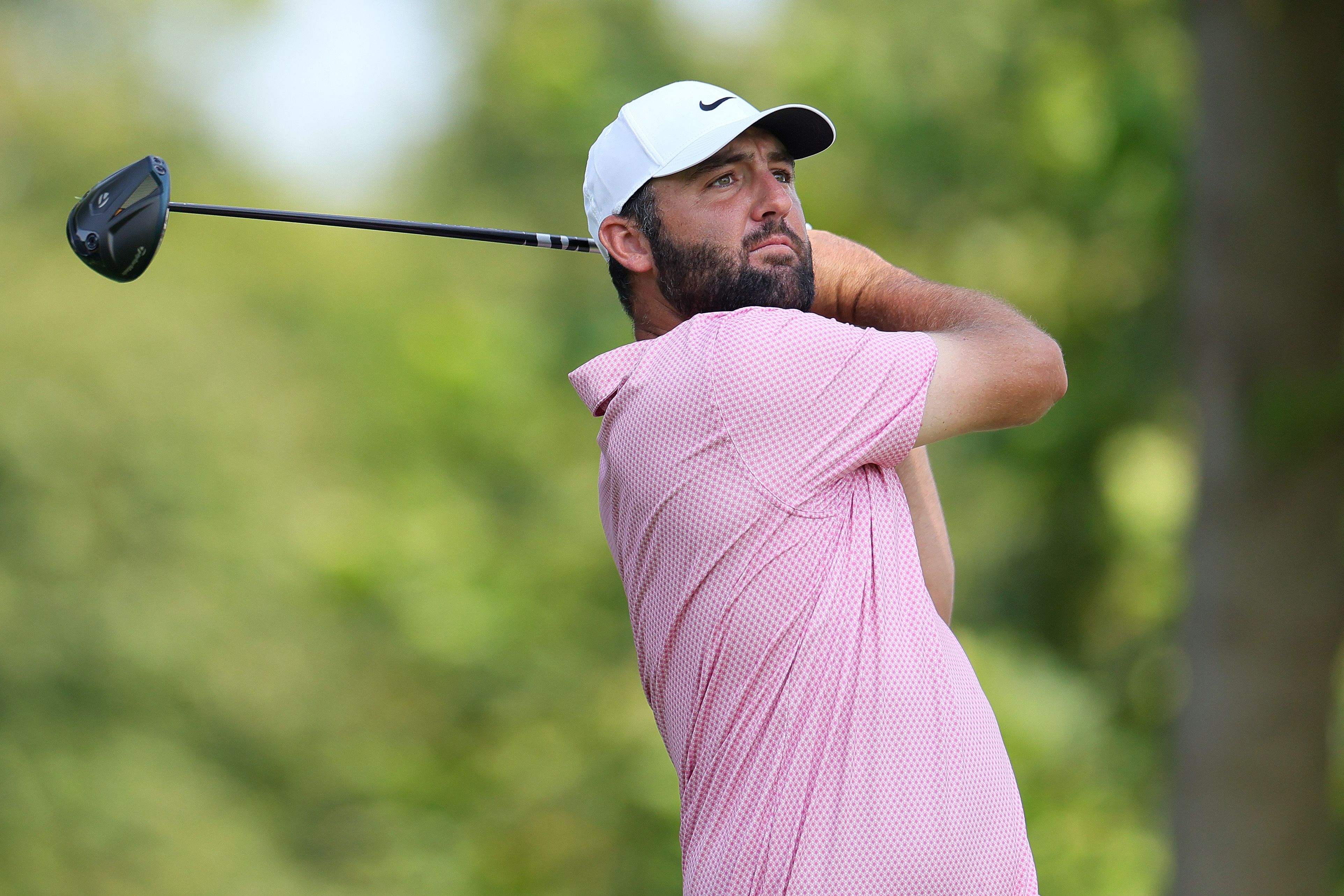
Professional athletes are often held up as something above and beyond the mere mortals who pay hefty ticket prices to be in the stands. But every now and then there comes a reminder that even the best in the world at what they do can be waylaid by a universal experience. Just ask world No. 1 golfer Scottie Scheffler. The four-time major champion played below his usual standard in the opening round of last week’s BMW Championship outside St. Louis. He revealed after the tournament was over that he had been suffering from hand, foot and mouth disease – a familiar affliction to any parent with young kids. Scheffler said the painful sores associated with the viral illness made it hard for him to grip his clubs and nearly convinced him to withdraw from the tournament. A few days later, Scheffler described himself as at 95% with just a few sores left in his throat. The prospect of the world’s best golfer dealing with the same thing that so many parents experience is so humanizing for a player whose skill on the course might at times seem otherworldly. So, did Scheffler find it humbling? “Humbling is probably not exactly how I felt,” the Texan said, alluding to the frustration and pain he felt in Missouri. The 30-year-old Scheffler is a father of two – he and his wife, Meredith Scudder, have two sons: Bennett, 2, and Remy, who was born in March – and is in the prime of his career. The toddler ages are an incredibly intense period for any parent, but even more so for Scheffler and his family as they travel all around the country and he balances the life of a top professional athlete with being a father. It makes for a special life – Scheffler said other players tell him they’re jealous that he gets to have his family around all the time – but also a difficult one, especially for a player who appears to be the next legendary American golfer. “It’s always a balancing act. I’m at a point in my life where, yeah, it’s really hard having two young kids and taking care of them. I think anyone with young kids can relate, you’re just tired literally all the time,” he said. “I think you want to enjoy the season because eventually my kids aren’t going to be able to be out here. It’s something that I talked about with – (Brian) Harman is somebody I talk a lot about this with. He’s like, ‘Man, I’m jealous of you guys who get to travel every week with your kids.’ You take the good with the bad. Part of it is hard, but part of it is you’ve got to also enjoy it because it doesn’t last.” Other players can commiserate with Scheffler’s intense balancing act, particularly those playing at this week’s Tour Championship at East Lake Golf Club in Atlanta where the best of the best play in the season-ending tournament. Rory McIlroy is another one of the world’s top golfers with a young child at home, though his 5-year-old daughter Poppy has moved out of the toddler stage. He said on Tuesday that the world’s best aren’t immune from the little indignities of parenthood, such as catching whatever illness they’re bringing home from daycare or school. “Kids bring stuff home from school. They bring stuff home from daycare out here. I think anyone that’s had children, it’s a part of it,” he said. “That’s the only way that they’re going to build up their own immunities. Unfortunately, the parents fall afoul of that at times. But that’s part of life. You’re going to get little viruses and little things that happen.” Gary Woodland, another Texan who often plays with Scheffler back in Dallas where they both live, said he’s never had hand, foot and mouth, but his kids – Jaxon, Maddox and Lennox – have had it twice. His assessment of the pain associated with the virus? “It is awful.” Scheffler’s decision to play through the painful sores is an example of what makes him great, Woodland said. “That’s the stubbornness that Scottie has, to fight through it last week and play,” Woodland said. “We all knew he was battling it. I don’t know if he came out with it until Sunday. We all have the same trainer, and we were trying to avoid the table he was working on. We were working on different tables and avoiding him at all costs. “One of (swing coach) Randy Smith’s big deals is making sure our grip is the same every day. One of the things we can control is controlling the club face and doing that and making sure our grip is the same. (Scheffler’s) got blisters on his hands and trying to grip the club. That just shows you how dang good he is to show up and finish 12th or however he finished last week. It’s impressive.” The determination – or stubbornness – to play through the blisters and sores is an example of what makes Scheffler such a great competitor and the mental strength required to be one of the best golfers in the world. It’s also a fine way to illustrate what he calls his “double life” that takes place on the course and off. The four-time major champion said when he’s inside the ropes at a tournament, he’s used to having everyone’s eyes trained on each move he makes. It’s a bizarre experience that professional golfers – particularly stars like Scheffler – have to thrive in, an experience that only athletes in solo sports can understand. It requires immense focus and incredible drive. Now compare that to how Scheffler describes what happens when he’s home with his family. “When it comes to going home, I just go home,” he said. He added, “I have my life out here where I play and compete, and I have my life at home where I don’t really do a whole lot, to be honest with you. It’s not that exciting. We have a great group of friends at home that I love to see. I’ve got great family. When I think about the fall and our offseason, we don’t really do a whole lot.” It’s a balancing act and a dichotomy that is incredibly hard to pull off for any parent, even if Scheffler can make it look so easy during big weekends on the PGA Tour. But every now and then, all it takes is a toddler passing along a virus to remind fans that even the most talented athlete is all too human.
Topics in this story
Gathered from external sources. Rights to this text belong to whoever originally published it.