Cowboys Defense Must Prove its Meeting Meant Something
The Cowboys defense held an honest meeting after its latest loss. Now Dallas must turn accountability into better execution against the Green Bay Packers.
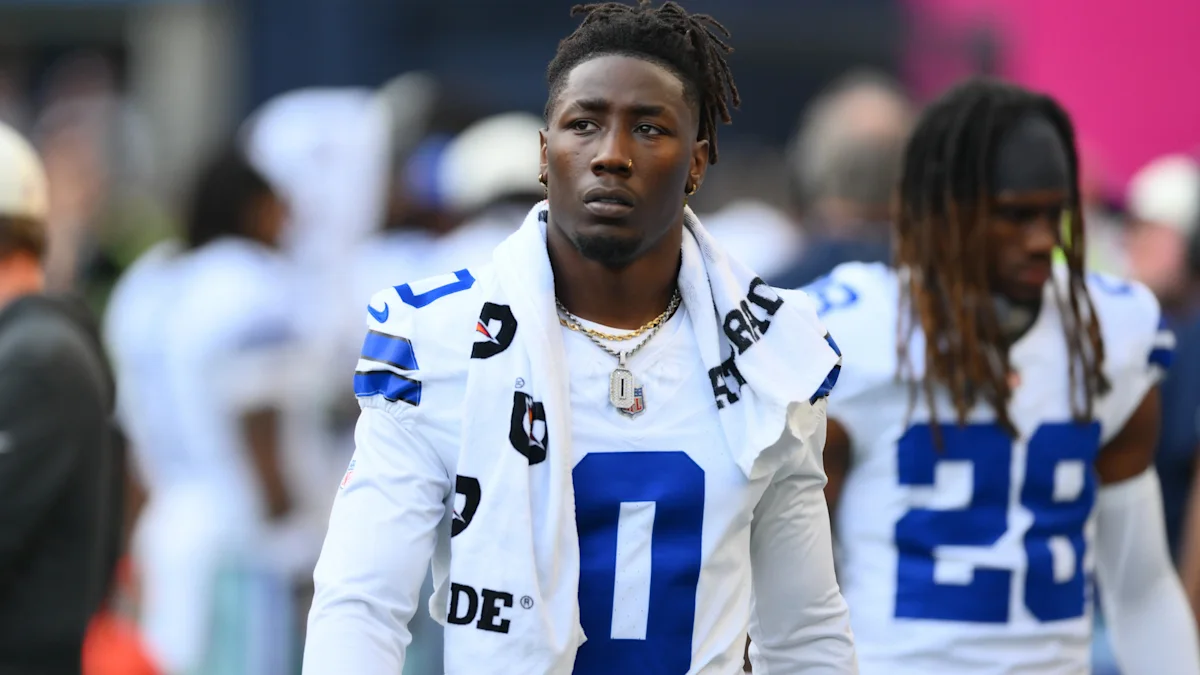
The Cowboys defense has discussed what it wants to become. Against the Green Bay Packers, it must begin showing whether those conversations can change its performance.
Following the Week 5 loss to Tampa Bay, Dallas' defensive players took time to examine their standards and responsibilities. DeMarvion Overshown described the Monday, October 12 meeting as an opportunity to evaluate themselves and discuss how they could hep one another.
That conversation offers a meaningful starting point. However, its value will depend on whether Dallas communicates more clearly, handles assignments more consistently and prevent manageable plays from becoming costly mistakes.
Cowboys Defense Takes an Honest Look at its Standards
According to Overshown, the defense wrote its expectations on a board and reviewed them individually. Players considered whether their performances matched those expectations and what they needed from their teammates during preparation and games.
"What can I do to help you?" was one of the questions Overshown used to explain the discussion. His account emphasized cooperation and accountability rather than panic or accusations.
That distinction matters. A productive meeting should give players specific responsibilities they can carry into practice. General promises about effort provide little direction unless teammates understand what must change and how to recognize improvement.
For Dallas, accountability should also extend beyond the players nearest the ball when a players breaks down. Coaches and defenders must identify how positioning, communication and execution contribution to the result before deciding on a correction.
The Problems Requires More than Better Intentions
Through five games, Dallas ranked 31st in total defense , allowing 395.4 yards per game. That performance helps explain the urgency surrounding a team preparing for Green Bay with a 2-3 record.
The defensive breakdowns against Tampa Bay made another review necessary. The challenge now is to translate the discussion into preparation that produces reliable answers when opponents attack the same weaknesses.
Overshown identified mental errors as an obstacle and expressed confidence in the unit's potential. That confidence represents a player's assessment, rather than evidence that the defense has already turned a corner.
Against Green Bay, useful signs would include defenders getting aligned before the snap, maintaining their responsibilities against motion and finishing tackles after making initial contact. Those details offer a more practical measure of progress than emotional reactions after an isolated stop.
The response to a succesfull opposing drive will matter, too. Dallas must identify what worked against it, communicate a correction and execute that correction before the same problem damages another possession.
Coaching Support Must Produce Clearer Answers
The addition of Mike Pettine to the defensive staff gives Christian Parker another experienced resource. Pettine joined as a senior defensive assistant after previously working with both Parker and Brian Schottenheimer.
His arrival and the players' meeting address different parts of the same challenge. Coaches must provide assignments players can understand and execute, while defenders must communicate uncertainty before it becomes a mistake during a game.
Adding more instructions will not necessarily create better football. The staff should prioritize corrections that players can repeat under pressure, particularly when the offense changes its formation or forces a quick decision.
That responsibility also belongs to Schottenheimer as the leader of the entire team. He must ensure the defensive changes produce a coherent plan and that practice reinforces the standards players discussed
The Cowboys defense must play with urgency, toughness, and pride against Green Bay. After an honest conversation about their standards, players need to show that accountability through their effort: pursuing the ball, finishing tackles, and staying disciplined when the game gets difficult.
Emotion alone will not fix missed assignments, but Dallas needs its intensity and execution to match. Sunday offers this group an opportunity to back up its words with a performance that earns back some trust.
The players have examined what they expect from one another. Can they now make those expectations visible on the field?
Topics in this story
Gathered from external sources. Rights to this text belong to whoever originally published it.