Nature spaces 'need to be right next to where people live'
Campaigners are pushing for more wildlife-rich green spaces to be created within urban communities.
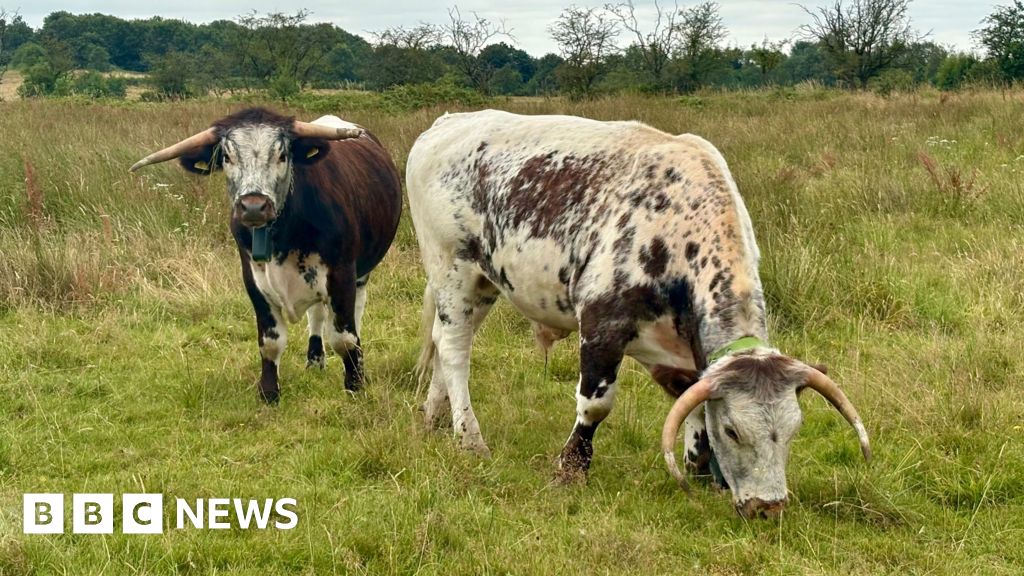
People should not have to travel far to experience the joys of nature, conservationists have said, as campaigners push for more wildlife-rich green spaces in urban areas.
From Greater Manchester to north London, organisations and volunteers are transforming former industrial land and neglected parks into habitats for wildlife and places for people to enjoy.
Research suggests many people do not have access to parks, woodlands or wetlands within a 15-minute walk of their home, despite evidence that time spent in nature can improve health and wellbeing.
Stephen Cartwright, from the Lancashire Wildlife Trust, said: "We need the places right next to where people live, that are scrappy bits of land."
If wildlife is to thrive alongside growing communities, campaigners said access to nature must become a bigger priority for policymakers and planners.
The Wildlife Trusts - a federation of 47 independent wildlife conservation charities covering the UK - has called on the government to improve people's access to nature.
Meanwhile a coalition led by the Horticultural Trades Association and the Gardens Trust wants trees, plants, gardens and parks to be recognised as essential infrastructure backed by long-term investment.
Across the country, projects have already demonstrated how green spaces can be brought closer to people.
At Cutacre, a former open-cast coal mine on the edge of Salford in Greater Manchester, the Lancashire Wildlife Trust has created meadows, wetlands, ponds and grazing areas with longhorn cattle.
The reserve is home to species including grey partridge, lapwing, skylark, grasshopper warbler and willow tit.
Conservationists have also reintroduced dyer's greenweed to Greater Manchester after the plant became functionally extinct in the area.
Cartwright said the reserve's location was one of its most important features.
Bordered by a housing estate, industrial units and communities in and around Salford, Bolton, Wigan and Manchester, the site offers nearby access to nature for people who may not otherwise visit a reserve.
"If you're a child growing up in a school over there, the majority of them won't travel to nature reserves," he said. "We need to bring reserves to them."
Cartwright's colleague Alan Wright, added: "We want to engage people in nature and the best way to do it is do things next to where they live. This is a perfect example."
More than 150 miles (241km) away in Tottenham, local residents have led the transformation of the Lordship Recreation Ground.
When the Friends of Lordship Rec group formed in 2001, chairman David Morris said the park was a neglected and unsafe space with derelict buildings and little biodiversity.
Today, supported by £7m in lottery and other funding, it features woodland, meadows, an orchard, food-growing areas, sports facilities and a restored watercourse.
The community group co-manages the park with Haringey Council and has helped secure its designation as a site of importance for nature conservation.
Morris said green spaces benefited both wildlife and residents.
"Being in nature has an amazing positive effect, immediate effect," he said.
He also called for increased funding for parks, adding: "Every neighbourhood should have access to a public green space."
The site now attracts volunteers of all ages and hosts activities including bat walks, birdwatching groups and events with schoolchildren aimed at encouraging a lifelong connection with nature.
Listen to the best of BBC Radio Manchester on Sounds and follow BBC Manchester on Facebook , X , and Instagram . You can also send story ideas via Whatsapp to 0808 100 2230.
Former tip turned woods declared nature reserve
'Help us bring back Manchester argus butterfly'
Bid to protect region's 'most important' habitats
Can a nature corridor increase London's biodiversity?
The National Federation of Parks and Green Spaces
Topics in this story
Gathered from external sources. Rights to this text belong to whoever originally published it.