In 1968, Adelaide Zoo had its first cassowary egg; in 1992, six more chicks were born; in 2026, Australian zoo welcomes another rare, bright green egg, ending the 34-year drought
Imagine waiting for an egg for over three decades, and finally that drought ends after 34 years!
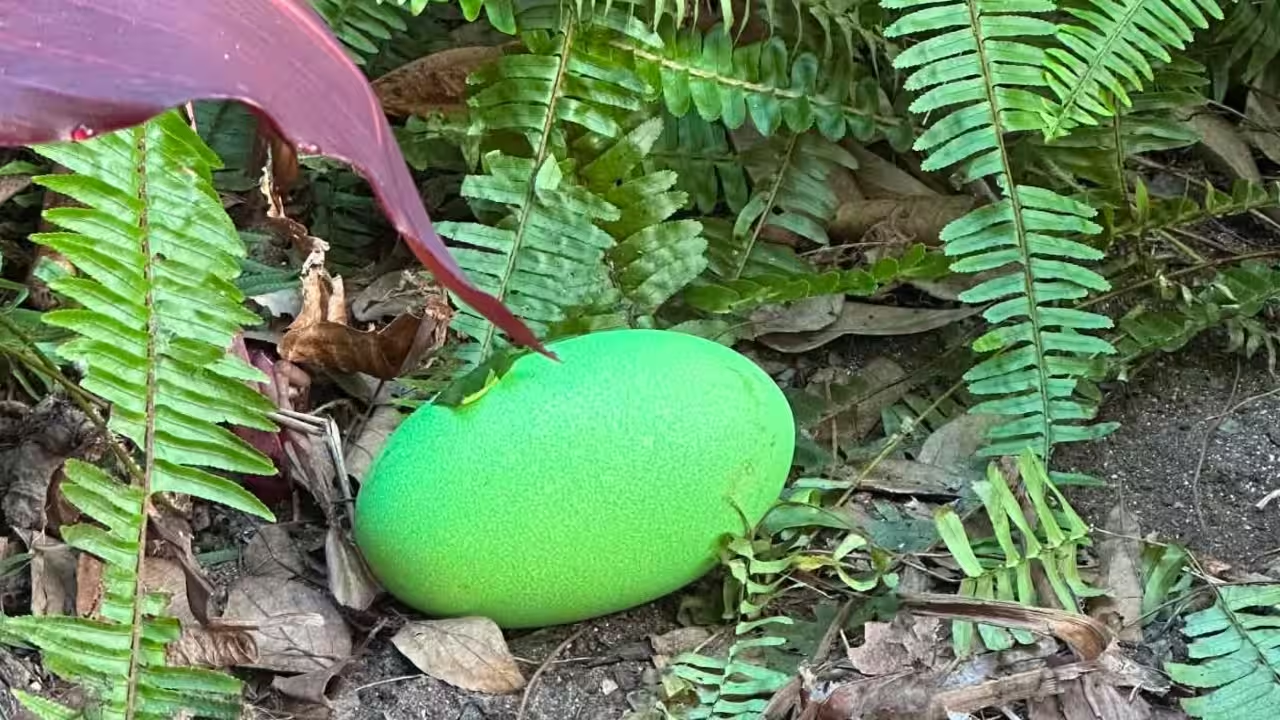
Imagine waiting for an egg for over three decades, and finally that drought ends after 34 years!In 1968, Adelaide Zoo celebrated its very first cassowary egg: a small but significant start. Fast forward to 1992, and the zoo’s efforts paid off with the birth of six new chicks. But then: nothing. An anxious silence that stretched on year after year, until, finally, in 2026, that dry spell ended with a shock of color: a rare, bright green cassowary egg appeared, breaking a 34-year drought and reigniting hope among zoo staff and bird enthusiasts.What happened?This was no ordinary moment for Adelaide Zoo, and the place buzzed with excitement for all the right reasons. The development was announced by Adelaide Zoo on October 20, 2026, following months of careful planning to bring the two large, solitary birds together.The unlikely star of this surprise party?Martina, a 10-year-old female cassowary. Her egg, which is a dazzling, almost neon green, turned heads for more than its color. It represented a fresh chance for the zoo’s breeding program and a moment for everyone to rethink what’s possible after decades without success. Jeffrey, Martina's 13-year-old breeding partner, suddenly found himself in the spotlight too: in this species, it’s the male who takes over the nest. He could now take on one of the most unusual parenting roles in the bird world: incubating the egg and caring for the chick if it hatches. If everything goes well, Jeffrey will be the one gently incubating the egg and eventually raising the chick, should it hatch.This story didn’t happen by accident. Months of careful planning and gentle introductions came before the egg, with keepers working behind the scenes to coax the two notoriously solitary and sometimes-aggressive birds toward each other. Cassowaries aren’t exactly social butterflies; outside breeding season, they prefer their own company and can be downright hostile. Staff started mid-August, slowly removing barriers and observing how Martina and Jeffrey responded. At first there was caution, but eventually, they approached each other, preened in a sort of awkward courtship, and finally mated, even more than once, according to reports.Then came the egg, stealing the show with its outrageous color. That green shell isn’t a fluke. In fact, nature made it that way, using the pigment biliverdin. Out in the wild, the egg’s bright color offers brilliant camouflage among leaves and mosses, hiding it from predators. It’s big, rough-textured, and can stop you dead in your tracks if you see it up close, especially as it seems almost outlandishly green compared to Martina and Jeffrey’s own plumage: black feathers, striking blue and red faces, and a hefty helmet-like casque on their heads. Cassowaries always make an impression.Right now, keepers are holding their breath. They haven’t confirmed if the egg is actually fertile, so there’s no guarantee of a chick yet. They’re watching Martina and Jeffrey carefully, limiting disturbances and hoping that privacy and patience will tip the odds in their favor. It’s a cautious optimism, as years without eggs have taught the team not to count their chicks before they hatch.Adelaide Zoo’s rare egg also highlights one of nature’s best quirks: cassowary family life is anything but ordinary. The female lays the eggs, then leaves the male to incubate them and raise any chicks, sometimes for months on end. So, for Jeffrey, the work might just be beginning.Even without a guaranteed chick, this egg holds its own significance. It says something is going right for these strange and remarkable birds under human care. Southern cassowaries aren’t just zoo celebrities; they matter hugely in the wild. They’re vital to Australia’s tropical rainforests, eating all sorts of fruit and spreading seeds far and wide. In doing so, they keep the jungle healthy and diverse. Sadly, the wild population, especially in Queensland, is in trouble. Habitat loss, car strikes, and stray dogs threaten their numbers, and conservationists count every egg as a win.Adelaide Zoo knows this. Celebrating Martina’s egg isn’t just about zoo pride; it’s a moment to reflect on the species’ precarious place and the difficult road ahead. Managed breeding programs can help, but one egg isn’t the silver bullet. Breeding success might inspire hope, but recovery requires constant work, research, and sometimes, a little luck.Whether Martina’s egg hatches or not, this vivid green miracle has already done something important: it’s reminded everyone, from keepers and visitors to casual onlookers, why care, patience, and a little faith in nature can sometimes pay off. For the Adelaide Zoo team, and for southern cassowaries everywhere, that’s worth celebrating.Get the latest movie news, reviews, and celebrity updates. Download the TOI App.
Topics in this story
Gathered from external sources. Rights to this text belong to whoever originally published it.