Irfan Pathan brings back viral 'Sunday' jibe as India beat Pakistan by 7 wickets in Women's Asia Cup 2026: Reason behind the famous banter revealed
After India Women beat their subcontinent rival Pakistan in a dominant seven-wicket victory, former India bowler Irfan Pathan brought his Sunday jibe back.
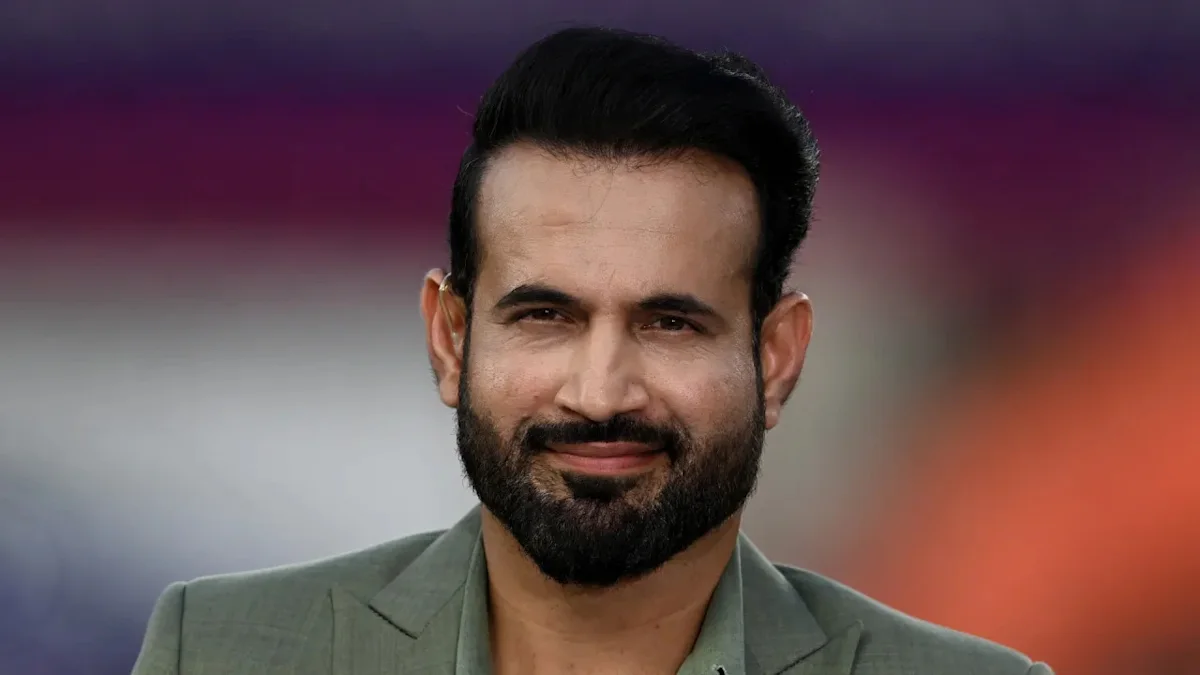
Irfan Pathan revived his viral "Sunday" jibe after India beat Pakistan by seven wickets.
The tradition dates back to Virat Kohli's iconic knock at the 2022 T20 World Cup.
India extended their winning run against Pakistan to nine matches across women's T20Is.
India W's seven-wicket victory leads to the return of Irfan Pathan Sunday Jibe
India's seven-wicket demolition of Pakistan in the Women's Asia Cup was still settling in when the most reliable post-match commentator in India-Pakistan cricket history hit send. Irfan Pathan took to X within minutes of the result, and the message needed only four words.
"Aaj Sunday hai kya?" the former India all-rounder posted , translating to "Is it Sunday today?" The match was played on a Friday, which is precisely what made it land.
For anyone who has followed the India-Pakistan rivalry on social media over the past four years, no further explanation was needed. For those who have not, the backstory is worth telling.
How Irfan Pathan's "Sunday" jibe became a tradition after Virat Kohli's iconic knock
The origin traces back to October 23, 2022, at the Melbourne Cricket Ground. India and Pakistan met in the T20 World Cup on a Sunday, and Virat Kohli produced one of the greatest T20I innings ever played, hauling India from 31 for 4 to a four-wicket victory with an unbeaten 82 off 53 balls.
As the cricket world processed what it had witnessed, Pathan posted a simple message to X that would define his social media presence for the next four years. "Padosiyon Sunday kaisa raha?" (Neighbours, how was your Sunday?) he wrote.
The tweet went viral instantly, and Pathan recognised he had struck gold. From that point forward, every India victory over Pakistan, regardless of the day of the week, the format or the gender of the teams involved, has been followed by a variation of the same theme.
Every time Irfan Pathan has used the "Sunday" jibe
The list has grown considerably since Melbourne. After India beat Pakistan in the 2025 Asia Cup final in Dubai on a Sunday, Pathan posted "Padosiyo, Sunday kaisa raha?" accompanied by a dance video set to Afghan Jalebi.
When India's men thrashed Pakistan by 61 runs at the 2026 T20 World Cup in Colombo, another Sunday fixture, he followed up with "Kaisa raha Sunday?" and a second clip addressing the "padosiyo" directly.
It extended beyond the men's game too. After India's women crushed Pakistan by 64 runs at the 2026 Women's T20 World Cup in Birmingham, Pathan posted simply "BEST SUNDAY", without even mentioning Pakistan by name.
When India won the World Cricket League in 2024, fans did not wait for Pathan to act, instead flooding his mentions with "Sunday wala tweet kardo" (post the Sunday tweet) before he had even opened the app.
Friday's post was the cleverest variation yet, because it acknowledged the tradition had outgrown any connection to the actual day of the week. By asking whether it was Sunday rather than declaring it, Pathan turned the absence of a Sunday into the joke itself.
Why Pathan's running gag has outlasted every other cricket meme
Most cricket memes have the lifespan of a T20 innings. Pathan's has survived four years and counting, largely because India has kept providing the results that feed it.
The women's side have now won nine of their last 10 T20Is against Pakistan, and India's combined men's and women's record in ICC and ACC events against their neighbours since Melbourne reads 11 wins from 12 completed matches.
As long as that run continues, so will the tweet. The only thing that could retire it is a Pakistan victory, and on current evidence, that looks some distance away.
For all the latest cricket news, opinion, and commentary and to share your voice, head to our Facebook , Instagram, and X (Twitter) pages
Topics in this story
Gathered from external sources. Rights to this text belong to whoever originally published it.