Ousted UK Prime Minister Keir Starmer to quit domestic politics
Departed Labour Party leader now plans to focus on international affairs.
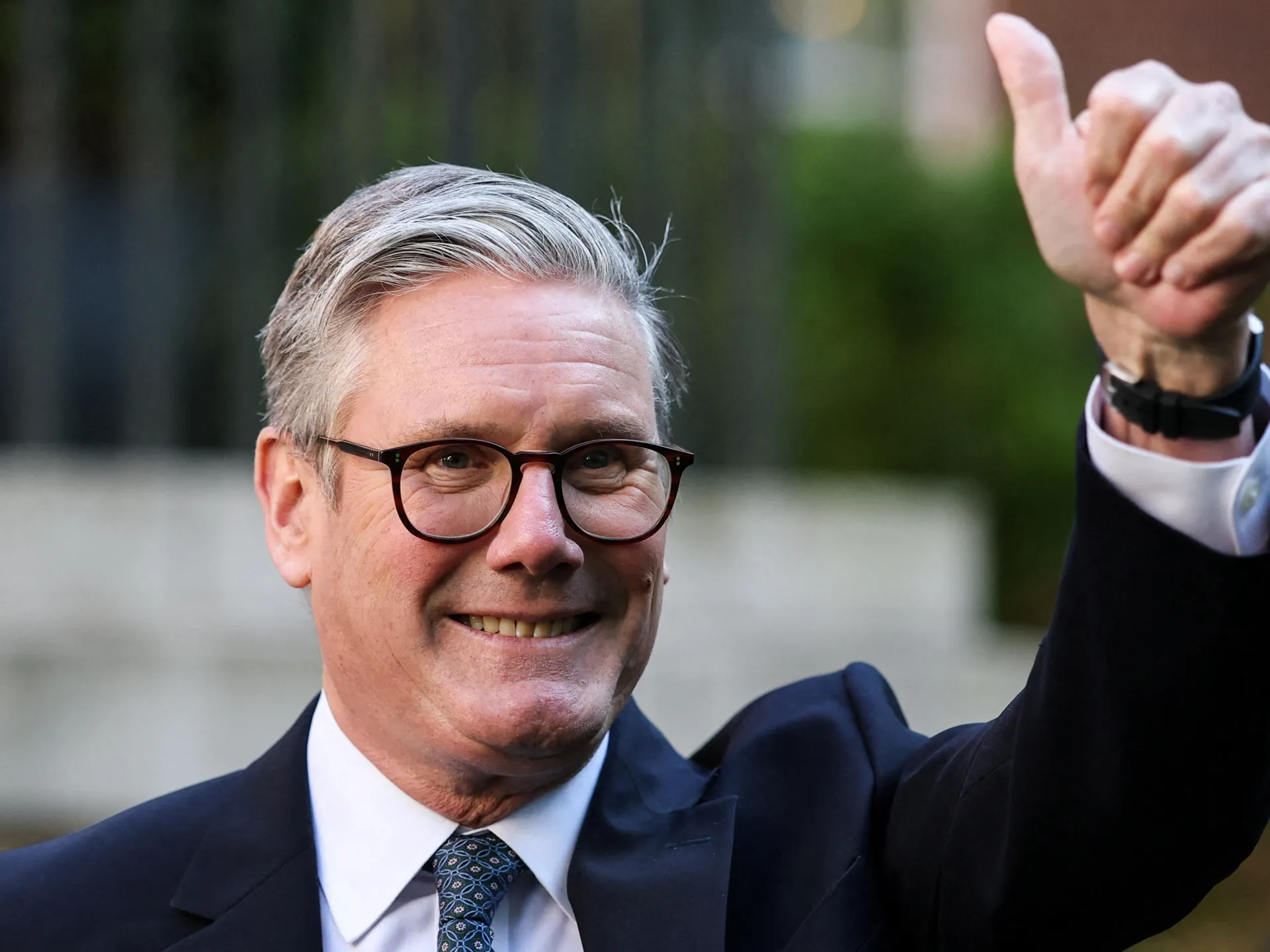
Former British Prime Minister Keir Starmer has announced he is to stand down as a member of parliament.
Starmer said on Tuesday that it was the “right time” to resign as the MP for the Holborn and St Pancras seat in London after 11 years, triggering a by-election. The announcement comes six weeks after his resignation as the United Kingdom’s premier, having lost the support of ruling Labour Party MPs.
“It is now time to step aside and focus on other issues: international affairs including defence, security, trade and technology in a fast-changing world,” Starmer wrote on social media.
As party leader, Starmer led Labour to a historic 2024 landslide after 14 years of Conservative rule. However, within two years, U-turns, cuts, a diplomatic scandal, pressure from the radical right-wing Reform UK , and the challenge of Andy Burnham – who became Britain’s seventh prime minister in a decade – eroded Starmer’s authority, and he was forced out .
Starmer had previously said he would remain as a lawmaker until the next general election. But he told the Camden New Journal, a local newspaper in his North London constituency, that he had changed his mind and intended to leave UK Parliament after 11 years, six of those as leader of the party.
The newspaper did not give a timeframe for when an election would be held for Starmer’s seat in the constituency of Holborn and St Pancras.
Despite his dwindling popularity at home , foreign affairs were seen by some as Starmer’s strength, particularly for the strong relationships he formed with EU leaders in the wake of Brexit, especially French President Emmanuel Macron, with whom he established the so-called Coalition of the Willing in support of Ukraine.
Starmer comfortably kept his seat in the 2024 election with a majority of over 11,500 votes, though Andrew Feinstein , an independent candidate who campaigned primarily around his opposition to Israel’s genocidal war in Gaza and Labour’s support for it, took nearly 19 percent of ballots.
Burnham’s accession has led to a bounce in the polls for Labour, though he faces tougher challenges ahead, with Parliament resuming on Tuesday.
Topics in this story
Gathered from external sources. Rights to this text belong to whoever originally published it.